Wildfires and smoke impacts refer to the environmental and health effects caused by uncontrolled fires in forests or grasslands. These fires produce large amounts of smoke, which can reduce air quality, harm respiratory health, and disrupt daily life. The smoke can travel long distances, affecting communities far from the fire itself. Additionally, wildfires can destroy habitats, threaten wildlife, and contribute to climate change by releasing stored carbon into the atmosphere.
Wildfires and Smoke Impacts
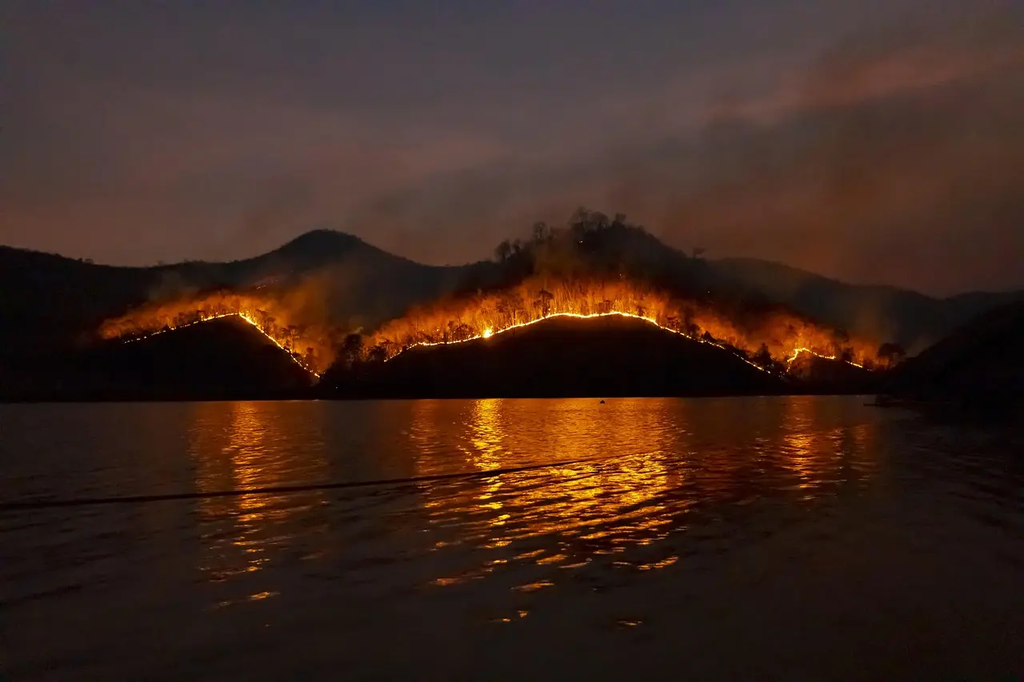
Wildfires and smoke impacts refer to the environmental and health effects caused by uncontrolled fires in forests or grasslands. These fires produce large amounts of smoke, which can reduce air quality, harm respiratory health, and disrupt daily life. The smoke can travel long distances, affecting communities far from the fire itself. Additionally, wildfires can destroy habitats, threaten wildlife, and contribute to climate change by releasing stored carbon into the atmosphere.
💡 Key Takeaways
- Understand how wildfires create smoke and how it lowers air quality, affecting health and daily life.
- Learn how weather (wind, stability, humidity) and climate trends influence wildfire spread and smoke transport over long distances.
- Recognize the health risks of wildfire smoke (respiratory, cardiovascular) and who is most at risk, including kids, elderly, and those with chronic conditions.
- Discover ways to stay safe during smoke events (air quality indices, staying indoors, masks, air purifiers) and how communities respond (evacuation, advisories).
- Explore the broader link between climate change, land management, and increasing wildfire frequency and intensity.
❓ Frequently Asked Questions
What causes wildfires?
Wildfires can start from human activities (campfires, discarded cigarettes, equipment sparks) or natural causes like lightning; dry weather and wind influence how quickly they spread.
How does wildfire smoke affect air quality and health?
Smoke contains fine particles (PM2.5) and gases that can irritate eyes and airways, worsen asthma and heart/lung conditions, and reduce outdoor visibility.
How far can wildfire smoke travel and how is it transported?
Smoke can travel hundreds to thousands of miles, carried by winds and weather systems; its reach and duration depend on atmospheric conditions.
What steps can I take to stay safe during smoky periods?
Check air quality forecasts; stay indoors with windows closed when pollution is high; use a HEPA air purifier; limit outdoor activity; if you go outside, wear a NIOSH-approved N95 respirator.