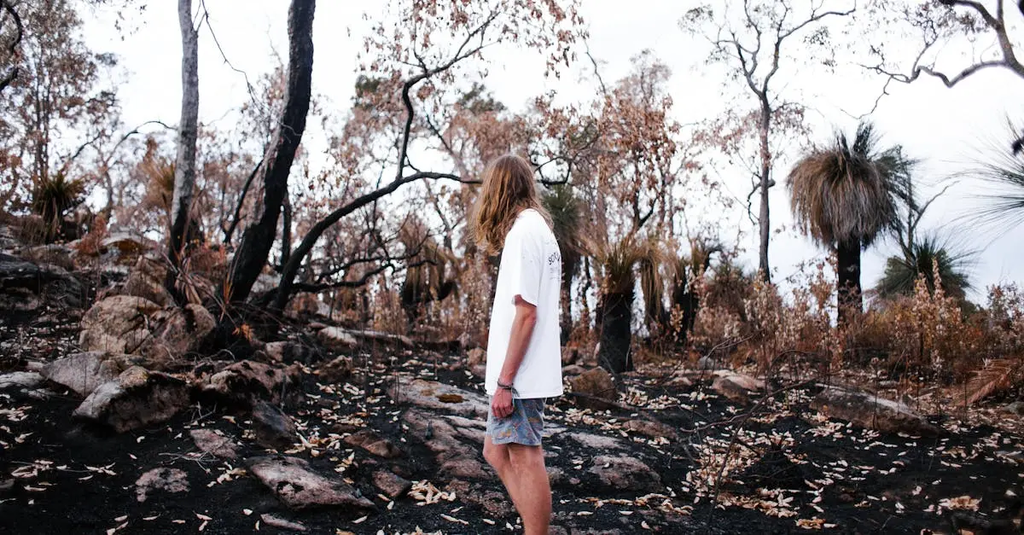
Wildfires significantly shape American landscapes by altering ecosystems, destroying vegetation, and affecting wildlife habitats. They can lead to soil erosion, degrade air and water quality, and threaten human communities. While some fires are natural and promote ecological renewal by clearing dead material and fostering new growth, increased frequency and intensity—often due to climate change—cause lasting damage, disrupt natural cycles, and challenge land management efforts across the United States.
Wildfires and Their Impact on American Landscapes+50
Wildfires significantly shape American landscapes by altering ecosystems, destroying vegetation, and affecting wildlife habitats. They can lead to soil erosion, degrade air and water quality, and threaten human communities. While some fires are natural and promote ecological renewal by clearing dead material and fostering new growth, increased frequency and intensity—often due to climate change—cause lasting damage, disrupt natural cycles, and challenge land management efforts across the United States.
💡 Key Takeaways
- Wildfires reshape ecosystems and wildlife habitats across American landscapes.
- Fires can both renew ecosystems and threaten communities and infrastructure.
- Wildfires impact soil, air, and water quality and can drive erosion.
- Key factors shaping wildfire behavior (climate, vegetation, human activity) and basic prevention/recovery approaches.
❓ Frequently Asked Questions
What ecological roles do wildfires play in American landscapes?
They recycle nutrients, clear dead vegetation, open canopies, stimulate regeneration in some species, and create diverse habitat mosaics.
How do wildfires affect air and water quality?
Smoke lowers air quality; ash and soil erosion after fires can increase sediment and degrade water quality in streams and rivers.
How do wildfires impact wildlife habitats and populations?
Fire can destroy or alter habitats and food sources, forcing animals to move; post-fire regrowth can provide new habitats for some species.
Can wildfires be both beneficial and dangerous to people and landscapes?
Yes. Fires can renew ecosystems, but they threaten homes, air quality, and safety. Effective management and preparedness help balance benefits with risks.