Wildlife conservation refers to the protection, preservation, and management of wild animal species and their habitats. Its goal is to prevent species extinction, maintain biodiversity, and ensure natural ecosystems remain balanced and healthy. Conservation efforts include creating protected areas, enforcing anti-poaching laws, restoring habitats, and raising public awareness. By safeguarding wildlife, conservation supports ecological stability, benefits human communities, and preserves natural heritage for future generations.
Wildlife Conservation+50
Wildlife conservation refers to the protection, preservation, and management of wild animal species and their habitats. Its goal is to prevent species extinction, maintain biodiversity, and ensure natural ecosystems remain balanced and healthy. Conservation efforts include creating protected areas, enforcing anti-poaching laws, restoring habitats, and raising public awareness. By safeguarding wildlife, conservation supports ecological stability, benefits human communities, and preserves natural heritage for future generations.
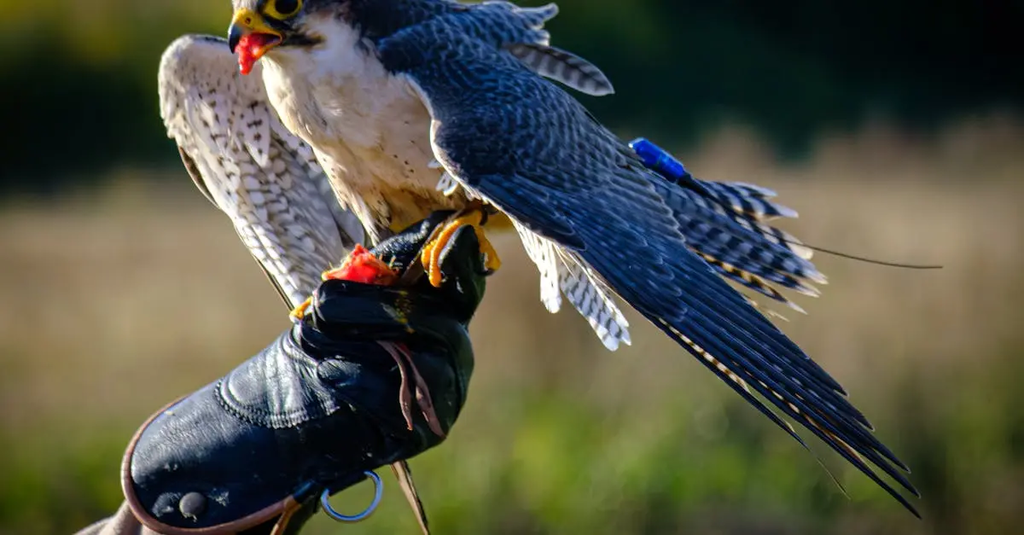
💡 Key Takeaways
- Understand what wildlife conservation is and its goals (protect species, preserve habitats, maintain biodiversity).
- Learn common conservation strategies, including protected areas and habitat management.
- Explore why biodiversity and healthy ecosystems matter for people and the planet.
- Identify major threats to wildlife and how conservation actions counter them (e.g., habitat loss, poaching, human-wildlife conflict).
❓ Frequently Asked Questions
What is wildlife conservation?
Wildlife conservation is the protection, preservation, and sustainable management of wild animal species and their habitats to prevent extinction and maintain healthy ecosystems.
Why is wildlife conservation important?
It maintains biodiversity, supports ecosystem services like clean water and pollination, and helps ecosystems remain balanced for both wildlife and people.
What are common conservation strategies?
Creating protected areas (e.g., national parks), restoring habitats, establishing wildlife corridors, fighting poaching, and supporting captive breeding and community-based conservation.
What are major threats to wildlife?
Habitat loss, poaching, pollution, climate change, invasive species, and human-wildlife conflict.