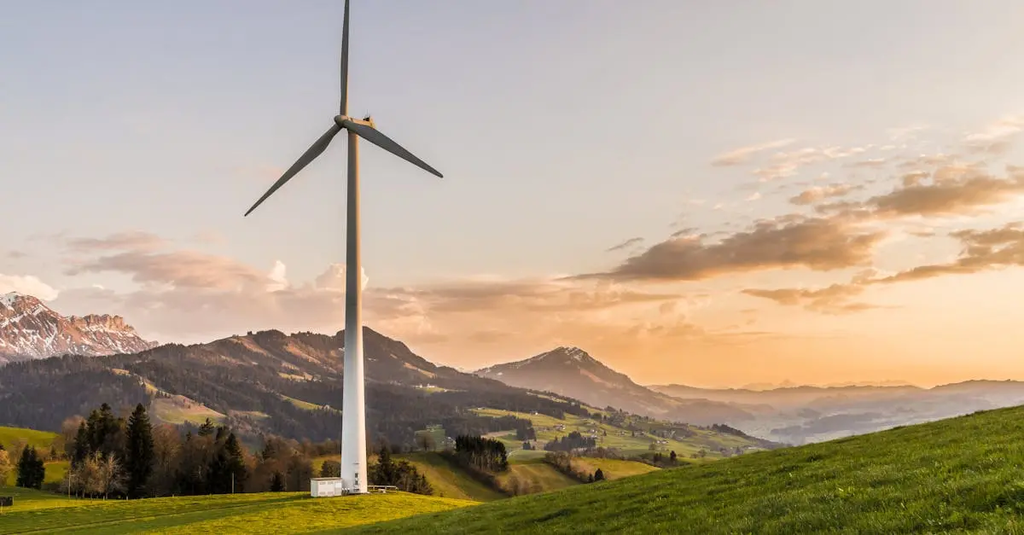
Wind energy systems are technologies designed to convert the kinetic energy of wind into electrical power. These systems typically use wind turbines, which have large blades that rotate when wind blows, turning a generator to produce electricity. Wind energy systems can be installed on land (onshore) or at sea (offshore) and are considered a clean, renewable source of energy, helping to reduce reliance on fossil fuels and decrease greenhouse gas emissions.
Wind Energy Systems
Wind energy systems are technologies designed to convert the kinetic energy of wind into electrical power. These systems typically use wind turbines, which have large blades that rotate when wind blows, turning a generator to produce electricity. Wind energy systems can be installed on land (onshore) or at sea (offshore) and are considered a clean, renewable source of energy, helping to reduce reliance on fossil fuels and decrease greenhouse gas emissions.
💡 Key Takeaways
- Understand how wind’s kinetic energy is converted into electricity as turbine blades rotate and drive a generator.
- Identify the main components of a wind energy system (blades, rotor, nacelle, generator, and tower) and how they work together.
- Differentiate between onshore (land) and offshore wind installations and how siting affects cost, performance, and maintenance.
- Recognize factors that influence turbine efficiency and energy output, including wind speed, location, and ongoing maintenance considerations.
❓ Frequently Asked Questions
What is wind energy and how does a wind energy system work?
Wind energy converts the kinetic energy of moving air into electricity using wind turbines. Wind moves the blades, turning a rotor that drives a generator to produce electrical power, which is then sent to the grid.
How does a wind turbine generate electricity?
Wind turns the turbine blades, causing the rotor to spin. This drives a generator (often via a gearbox or directly in some designs) to produce electricity, which is conditioned for grid use by power electronics.
What factors affect wind energy efficiency and output?
Factors include wind speed and consistency, air density, turbine size and design, site placement and turbulence, and operational limits like cut-in and cut-out wind speeds.
What are the main components of a wind energy system?
Common components are blades, rotor, nacelle (housing the gearbox or generator and electronics), tower, foundation, and the electrical connections to the grid.