Wind turbines generate electrical energy by converting kinetic wind energy into mechanical power, which is then transformed into electricity. In telecoms, this electricity powers communication equipment, while specialized power conversion systems ensure stable voltage and frequency suitable for sensitive telecom signals and devices. Effective signal management and power conditioning are crucial to prevent interference, maintain signal integrity, and ensure reliable operation of telecom infrastructure powered by wind-generated electricity.
Wind Turbines and Power Conversion
Wind turbines generate electrical energy by converting kinetic wind energy into mechanical power, which is then transformed into electricity. In telecoms, this electricity powers communication equipment, while specialized power conversion systems ensure stable voltage and frequency suitable for sensitive telecom signals and devices. Effective signal management and power conditioning are crucial to prevent interference, maintain signal integrity, and ensure reliable operation of telecom infrastructure powered by wind-generated electricity.
💡 Key Takeaways
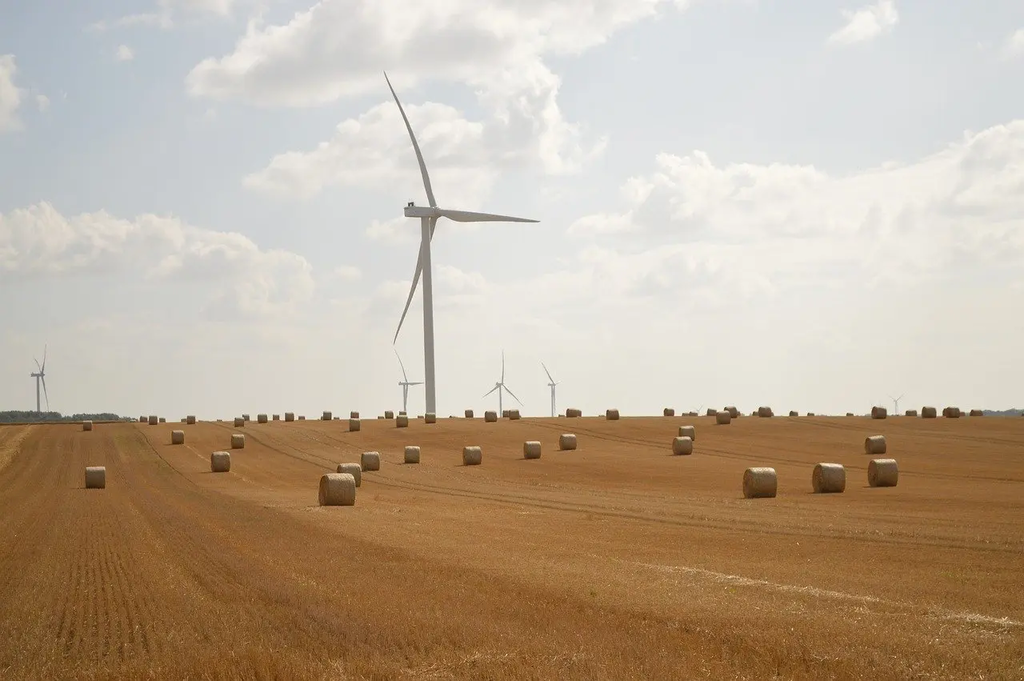
- Identify the main parts of a wind turbine (tower, nacelle, rotor blades) and their roles in capturing wind energy.
- Explain how rotor rotation converts wind energy into mechanical power and how generators convert that into electrical power.
- Describe how wind speed, turbine size, and air density affect power output and efficiency.
- Understand how power curves and grid integration influence the practical use of wind energy.
❓ Frequently Asked Questions
What is the basic purpose of a wind turbine?
To convert the kinetic energy of wind into electrical energy by spinning blades that drive a generator, with the output conditioned for the electrical grid.
How does wind energy become electricity in a turbine?
Wind turns the rotor blades, the rotor drives a shaft (often through a gearbox) to a generator, which converts mechanical energy into electrical energy; power electronics then shape the electricity for the grid.
What are cut-in and cut-out wind speeds, and why are they important?
Cut-in is the minimum wind speed at which the turbine starts generating power; cut-out is the maximum safe wind speed beyond which the turbine shuts down to prevent damage.
What does the turbine power converter/inverter do?
It condition the generator output to match the grid, converting variable, possibly three-phase voltage and frequency into stable grid-compatible power (and can provide control of speed and torque).