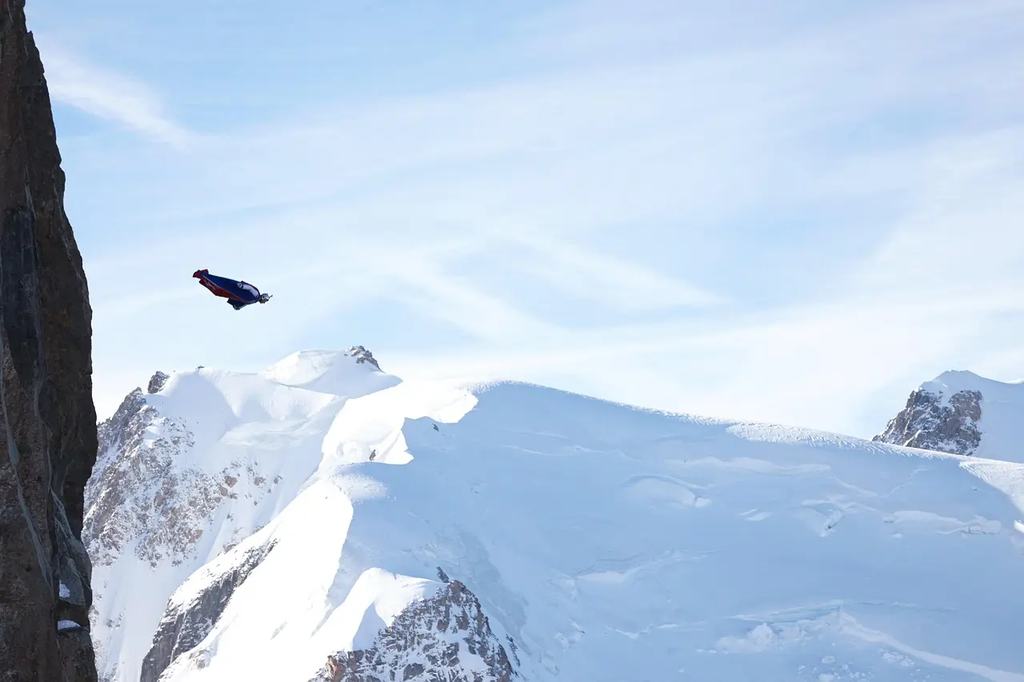
Wingsuit and proximity flying involve athletes wearing specially designed suits with fabric wings, allowing them to glide through the air after jumping from cliffs or aircraft. Proximity flying takes this to the next level, as flyers navigate close to mountain faces, trees, or other terrain at high speeds. This extreme sport demands exceptional skill, precision, and courage, offering participants a thrilling sensation of human flight and breathtaking views.
Wingsuit and Proximity Flying
Wingsuit and proximity flying involve athletes wearing specially designed suits with fabric wings, allowing them to glide through the air after jumping from cliffs or aircraft. Proximity flying takes this to the next level, as flyers navigate close to mountain faces, trees, or other terrain at high speeds. This extreme sport demands exceptional skill, precision, and courage, offering participants a thrilling sensation of human flight and breathtaking views.
💡 Key Takeaways
- Explain how wingsuits generate lift and how wing design affects glide and stability.
- Describe proximity flying and why flyers navigate near terrain and obstacles.
- Identify essential safety practices, training paths, and decision-making in extreme aerial activities.
- List core gear and maintenance: wingsuits, parachutes, helmets, and pre-flight checks.
❓ Frequently Asked Questions
What is wingsuit flying?
Wingsuit flying uses a suit with fabric wings between the arms and legs to generate lift, allowing a glide after jumping from a plane or cliff. Pilots steer by shifting body position and wing surfaces, and a parachute is used to land.
What is proximity flying?
Proximity flying is a high-speed form of wingsuit or base jumping where flyers fly very close to terrain features such as mountains, cliffs, trees, or rocks to maximize speed and maneuvering challenge. It is exceptionally risky and requires advanced training.
What equipment is essential?
Essential gear includes a wingsuit, a parachute system (main canopy and reserve), a helmet, eye protection (goggles), gloves, and sturdy boots, plus an altimeter or flight computer.
What training and safety measures are important?
Training from certified instructors is essential. Start with foundational skydiving or base training before wingsuit work, practice in controlled environments, monitor weather and terrain, perform safety checks, and have emergency procedures and medical readiness.