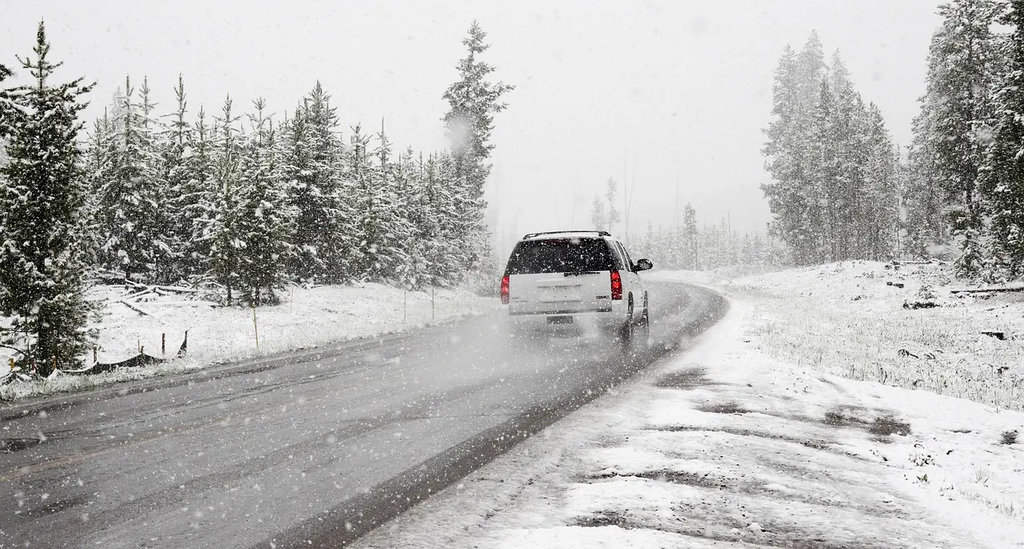
Winter driving basics refer to essential guidelines and precautions for safely operating a vehicle in snowy, icy, or cold conditions. Key aspects include reducing speed, increasing following distance, and using gentle acceleration and braking to prevent skidding. Drivers should ensure their vehicle is equipped with winter tires, maintain clear visibility by keeping windows defrosted, and always carry emergency supplies. Staying alert and cautious helps minimize risks associated with winter road hazards.
Winter Driving Basics
Winter driving basics refer to essential guidelines and precautions for safely operating a vehicle in snowy, icy, or cold conditions. Key aspects include reducing speed, increasing following distance, and using gentle acceleration and braking to prevent skidding. Drivers should ensure their vehicle is equipped with winter tires, maintain clear visibility by keeping windows defrosted, and always carry emergency supplies. Staying alert and cautious helps minimize risks associated with winter road hazards.
💡 Key Takeaways
- Reduce speed and increase following distance to maintain control on snowy, icy, and cold roads.
- Apply gentle acceleration and braking to prevent wheel spin and skidding.
- Winter vehicle prep: check tire tread, battery health, antifreeze levels, windshield washer fluid, lights, and wipers.
- If you start to skid, steer in the direction you want to go and avoid abrupt braking or acceleration.
❓ Frequently Asked Questions
What should you check before winter driving?
Check tires (tread and pressure), battery, antifreeze, wiper blades, lights, and brakes; ensure fluids are topped up and carry an emergency kit.
Why is reducing speed important in winter driving?
Slippery surfaces increase stopping distances and reduce traction, so lower speeds help you maintain control.
How should you adjust following distance in winter?
Increase to at least 8–10 seconds on snow or ice to give more time to react.
How should you accelerate and brake on snowy or icy roads?
Use gentle, gradual inputs—smooth acceleration and braking; avoid sudden jerks and hard braking; use lower gears as needed.
What should you do if your vehicle starts to skid?
Steer in the direction you want to go, ease off the accelerator, and avoid hard braking; if equipped with ABS, apply steady brake pressure.