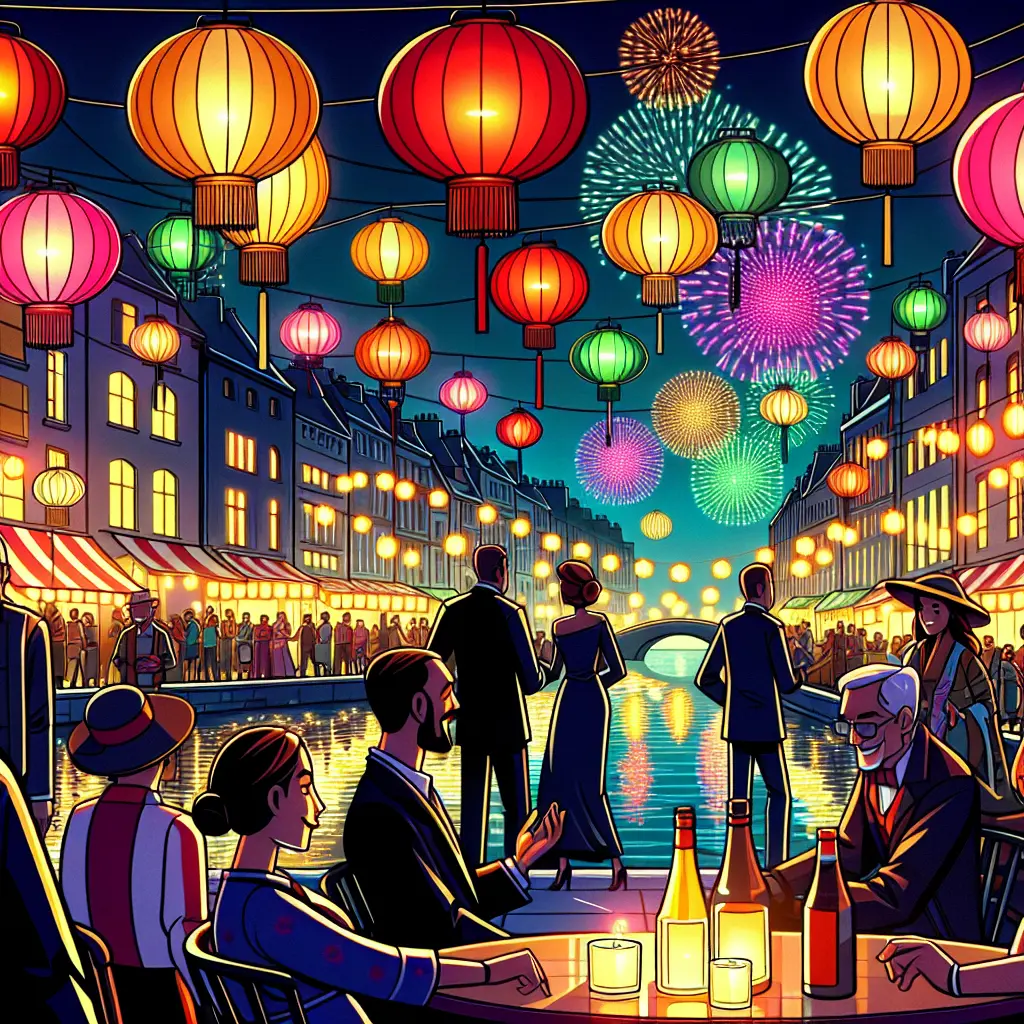
The Winter Solstice, the shortest day and longest night of the year, has been celebrated for millennia in pre-Christian traditions. Ancient cultures, such as the Romans, Celts, and Norse, marked this turning point with festivals, feasts, and rituals symbolizing the return of light and hope. These celebrations often honored deities, nature, and the cyclical renewal of life, laying the foundation for many modern winter holiday customs.
Winter Solstice & Pre-Christian Traditions
The Winter Solstice, the shortest day and longest night of the year, has been celebrated for millennia in pre-Christian traditions. Ancient cultures, such as the Romans, Celts, and Norse, marked this turning point with festivals, feasts, and rituals symbolizing the return of light and hope. These celebrations often honored deities, nature, and the cyclical renewal of life, laying the foundation for many modern winter holiday customs.
💡 Key Takeaways
- Grasp what the winter solstice is and why it marks a turning point toward longer daylight.
- Recognize how ancient cultures—Romans, Celts, and Norse—celebrated with festivals, feasts, and rituals to symbolize light returning.
- Explore common themes of light, renewal, and hope that appear across pre-Christian solstice traditions.
- See how these ancient observances influenced later winter holidays and modern celebrations.
❓ Frequently Asked Questions
What is the winter solstice?
The winter solstice is the shortest day and longest night of the year, signaling the turning point after which daylight begins to increase.
Which ancient cultures celebrated it?
Ancient Romans, Celts, and Norse (Germanic peoples) celebrated the solstice with festivals, feasts, and rituals.
What symbols or rituals are common in these celebrations?
Common elements include fires or candles, feasts, evergreen decorations, songs, and rituals aimed at dispelling darkness and welcoming light.
When does it occur and what does it signify for daylight?
In the Northern Hemisphere, it falls around December 21 or 22; daylight is at its minimum, and the days begin to lengthen afterward.
How did these pre-Christian solstice traditions influence later holidays?
The solstice’s themes of returning light and festive customs contributed to later Christmas and New Year traditions, blending symbolism and celebration across cultures.