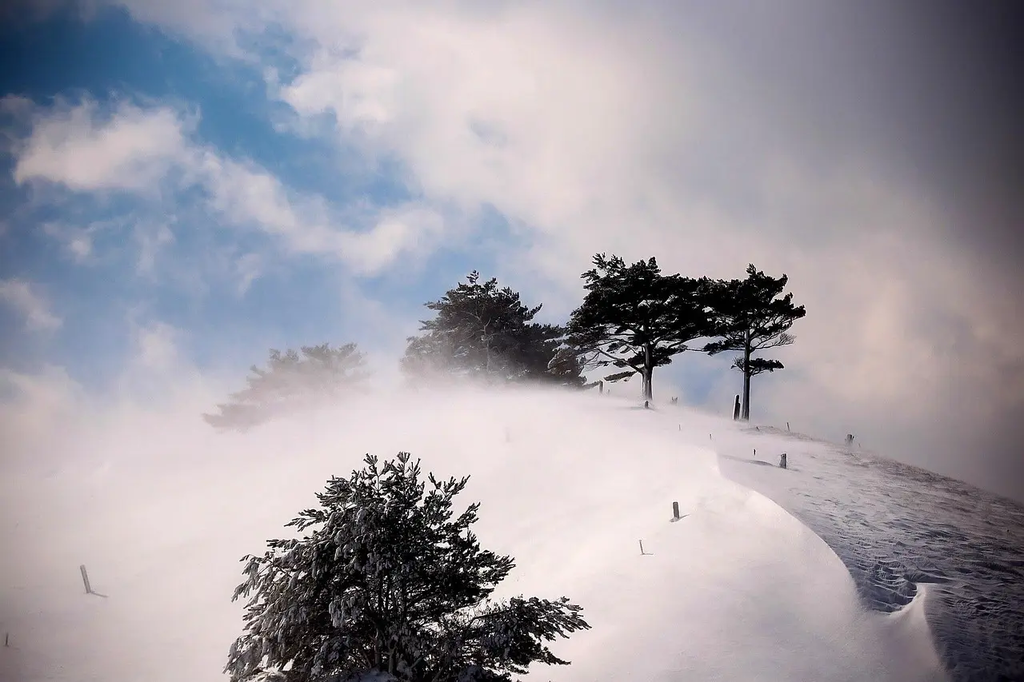
Winter storms and blizzards are severe weather events characterized by heavy snowfall, strong winds, and freezing temperatures. These storms can reduce visibility, create hazardous travel conditions, and cause power outages. Blizzards specifically involve sustained winds of at least 35 mph and visibility reduced to less than a quarter mile for several hours. Such conditions can disrupt daily life, damage property, and pose serious risks to health and safety.
Winter Storms and Blizzards
Winter storms and blizzards are severe weather events characterized by heavy snowfall, strong winds, and freezing temperatures. These storms can reduce visibility, create hazardous travel conditions, and cause power outages. Blizzards specifically involve sustained winds of at least 35 mph and visibility reduced to less than a quarter mile for several hours. Such conditions can disrupt daily life, damage property, and pose serious risks to health and safety.
💡 Key Takeaways
- Distinguish winter storms from blizzards by key features like heavy snowfall, strong winds, and freezing temperatures, and note that blizzards have wind and visibility criteria.
- Explain how blowing snow, low temperatures, and wind affect travel safety, visibility, and road conditions.
- Identify common impacts of winter storms such as power outages, disrupted travel, and closures, plus basic preparedness steps.
- Learn basic safety and decision‑making tips during winter storms, including staying informed, avoiding unnecessary travel, and keeping warm and stocked with essentials.
❓ Frequently Asked Questions
What is the difference between a winter storm and a blizzard?
A winter storm involves heavy snowfall and cold conditions, while a blizzard adds sustained winds of at least 35 mph and very low visibility for an extended period.
What wind speed and visibility define a blizzard?
Sustained winds of 35 mph or more and visibility at or below 1/4 mile for several hours.
What hazards do winter storms and blizzards create?
Heavy snow and ice, whiteout travel conditions, risk of slips and falls, power outages, and dangerously cold temperatures.
How can you stay safe during a winter storm?
Stay indoors when possible, prepare an emergency kit, monitor weather updates, drive only if necessary with winter supplies, and check on neighbors.