Wireless power for EVs refers to the technology that allows electric vehicles to recharge their batteries without physical cables or plugs. Using electromagnetic fields, typically through inductive charging pads embedded in roads or parking spaces, energy is transferred wirelessly to the vehicle’s receiver. This system enhances convenience, reduces wear on connectors, and enables dynamic charging while driving, potentially extending driving range and supporting the widespread adoption of electric vehicles.
Wireless Power for EVs
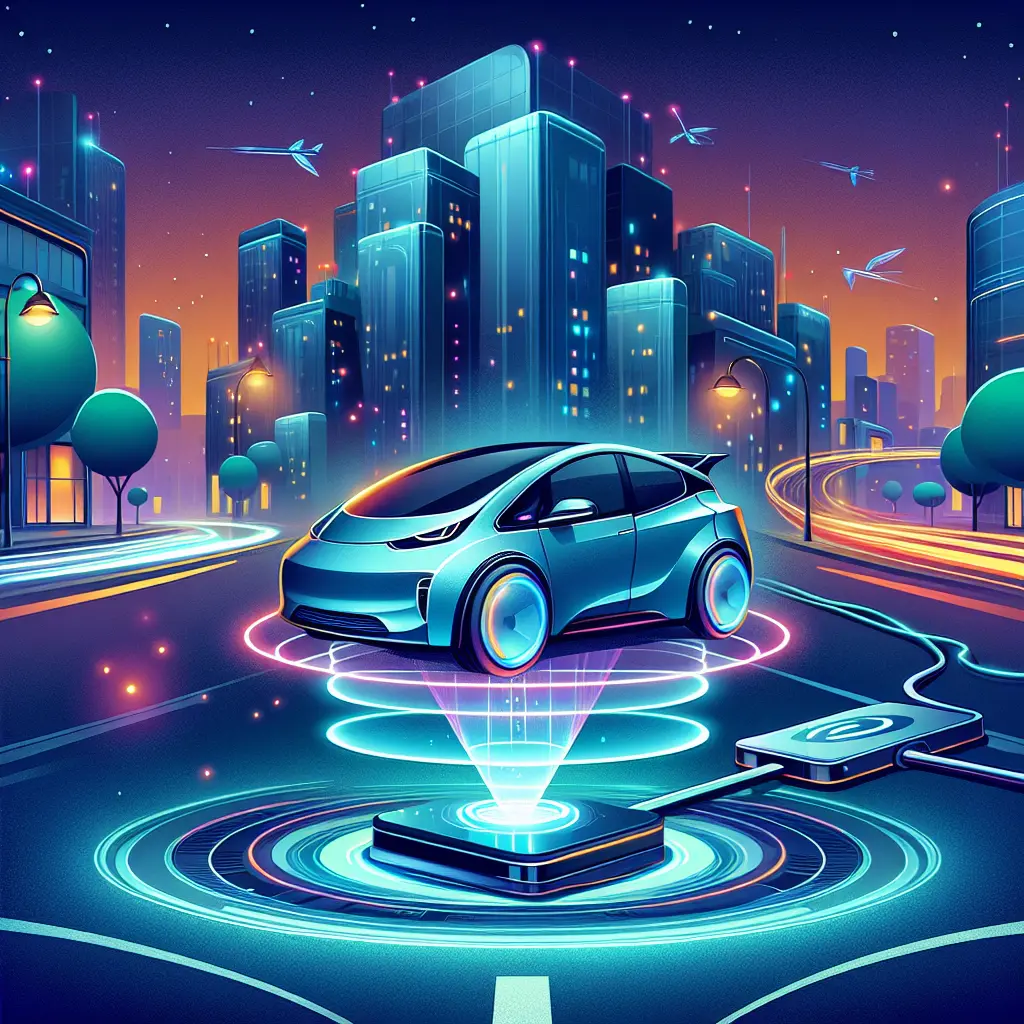
Wireless power for EVs refers to the technology that allows electric vehicles to recharge their batteries without physical cables or plugs. Using electromagnetic fields, typically through inductive charging pads embedded in roads or parking spaces, energy is transferred wirelessly to the vehicle’s receiver. This system enhances convenience, reduces wear on connectors, and enables dynamic charging while driving, potentially extending driving range and supporting the widespread adoption of electric vehicles.
💡 Key Takeaways
- Understand the basic principle of wireless EV charging: inductive power transfer using aligned coils and resonant coupling to move energy without cables.
- Learn where it can be deployed—road-embedded pads for dynamic charging and parking-lot pads for stationary charging— and how coil alignment affects power transfer.
- Assess the benefits and challenges, including convenience, charging speed, energy efficiency, safety, and electromagnetic compatibility.
- Explore future implications for infrastructure and technology ecosystems, including standards, grid integration, and higher-power wireless charging.
❓ Frequently Asked Questions
What is wireless power for EVs?
A method to recharge electric vehicle batteries without cables by transferring energy through electromagnetic fields from a ground-based transmitter (like pads in roads or parking spots) to a receiver in the car.
How does wireless charging work for electric vehicles?
A transmitter coil in the pad or charger creates an alternating magnetic field. A matching receiver coil on the vehicle captures the energy, which is then converted by the onboard electronics into DC to charge the battery.
What are the benefits and challenges of wireless EV charging?
Benefits include convenient charging and potential for charging without plugging in (and future ideas like dynamic charging on highways). Challenges include higher infrastructure costs, efficiency that depends on alignment and distance, heat management, and regulatory/safety requirements.
Is wireless charging safe and what standards apply?
Yes, when designed to safety standards. Systems are built to limit electromagnetic exposure, use shielding and safety features, and follow standards such as SAE J2954 to guide wireless EV charging and interoperability.