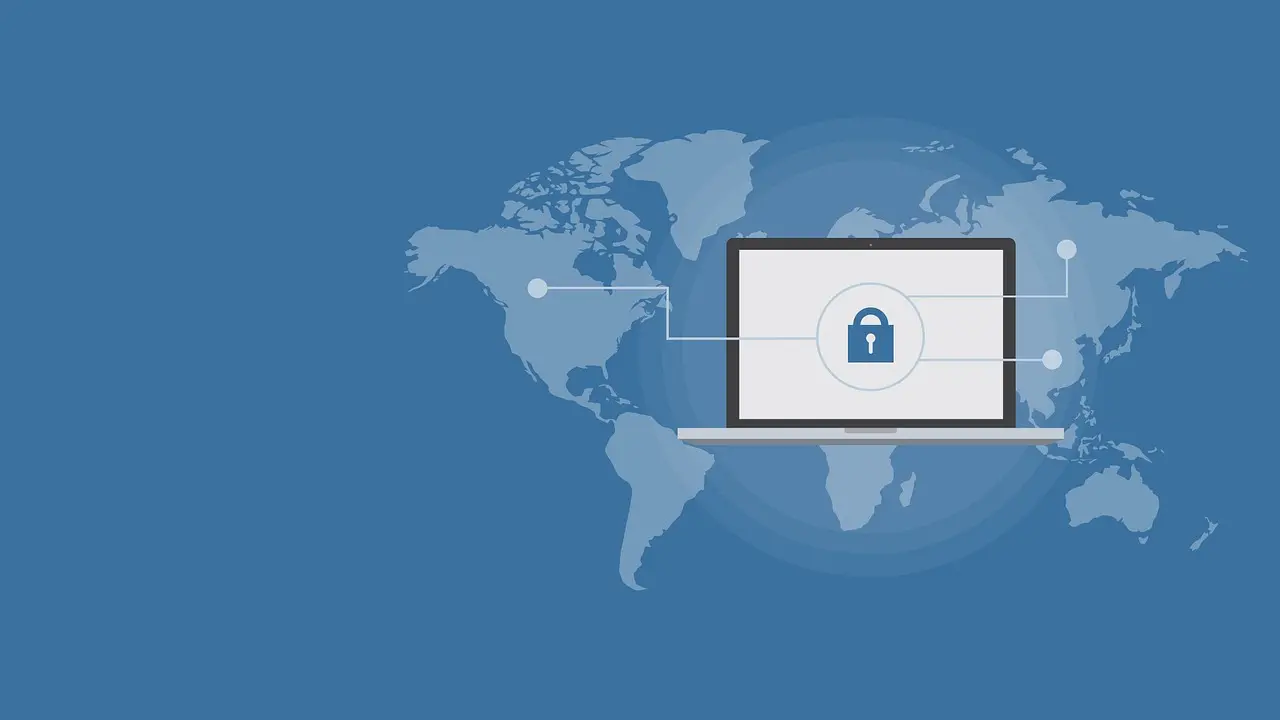
Wireless security refers to measures and protocols designed to protect wireless networks from unauthorized access, data breaches, and cyber threats. It involves technologies such as encryption, authentication, and firewalls to safeguard data transmitted over Wi-Fi and other wireless connections. Effective wireless security prevents hackers from intercepting sensitive information, ensures only authorized users can access the network, and helps maintain the privacy and integrity of communications in both personal and organizational environments.
Wireless Security
Wireless security refers to measures and protocols designed to protect wireless networks from unauthorized access, data breaches, and cyber threats. It involves technologies such as encryption, authentication, and firewalls to safeguard data transmitted over Wi-Fi and other wireless connections. Effective wireless security prevents hackers from intercepting sensitive information, ensures only authorized users can access the network, and helps maintain the privacy and integrity of communications in both personal and organizational environments.
💡 Key Takeaways
- Identify common wireless threats (eavesdropping, rogue access points) and basic mitigation strategies
- Explain how encryption and authentication protect data on Wi-Fi networks (WPA2/WPA3, PSK vs. SAE)
- Configure Wi-Fi securely with strong encryption (WPA2/WPA3), robust passwords, disable insecure features (WPS), and keep firmware updated
- Understand how firewalls, VPNs, and network segmentation help protect wireless traffic and connected devices
❓ Frequently Asked Questions
What is wireless security?
Wireless security includes measures like encryption, authentication, and access controls to protect Wi‑Fi networks from unauthorized access and data breaches.
How does Wi‑Fi encryption protect data?
Encryption scrambles data in transit so eavesdroppers can’t read it, with modern protocols such as WPA2‑AES or WPA3.
What’s the difference between WPA2 and WPA3, and which should I use?
WPA2 uses AES encryption and is common; WPA3 adds stronger password protection (SAE) and individualized data encryption. Use WPA3 if devices support it; otherwise WPA2‑AES is acceptable.
How can I secure a home or small office wireless network?
Use a strong, unique password; enable WPA3 (or WPA2‑AES); disable WPS; keep router firmware updated; set up a separate guest network; enable firewall features and limit remote management.