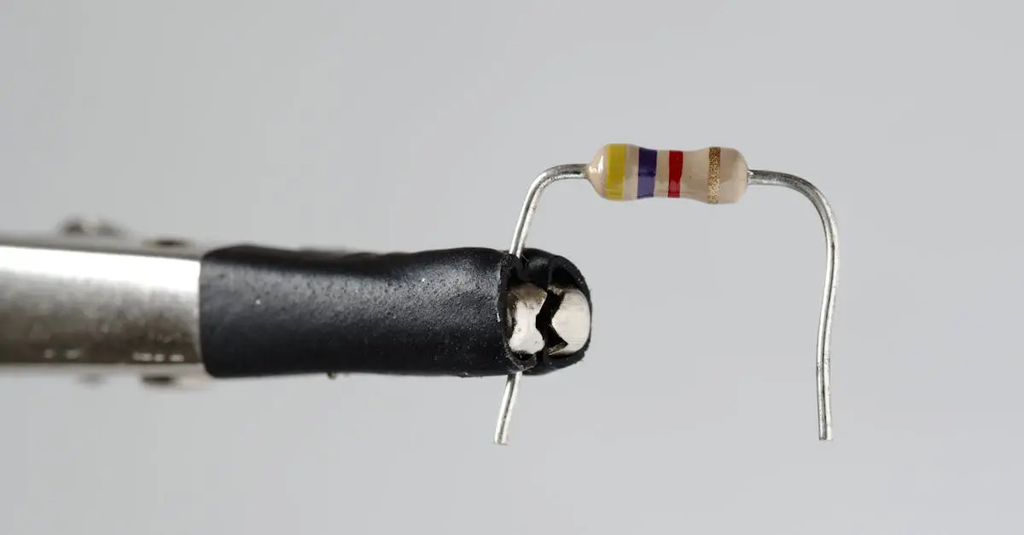
Wiring resistance refers to the opposition that electrical wires offer to the flow of current, causing energy loss as heat. This resistance leads to a voltage drop, meaning the voltage decreases as electricity travels through the wire. To minimize voltage drop and ensure efficient power delivery, the American Wire Gauge (AWG) system helps select the appropriate wire thickness. Thicker wires (lower AWG numbers) have less resistance and are used for higher current or longer distances.
Wiring Resistance, Voltage Drop & AWG Selection
Wiring resistance refers to the opposition that electrical wires offer to the flow of current, causing energy loss as heat. This resistance leads to a voltage drop, meaning the voltage decreases as electricity travels through the wire. To minimize voltage drop and ensure efficient power delivery, the American Wire Gauge (AWG) system helps select the appropriate wire thickness. Thicker wires (lower AWG numbers) have less resistance and are used for higher current or longer distances.
💡 Key Takeaways
- Understand how wire resistance affects voltage drop and heat in electrical circuits
- Learn to calculate voltage drop using current, length, and resistance
- Understand AWG sizing and how it relates to resistance per unit length and current capacity
- Learn how to select the right AWG to minimize voltage drop and ensure safe operation
❓ Frequently Asked Questions
What is AWG and why does wire gauge matter for resistance and voltage drop?
AWG (American Wire Gauge) is a standard for wire diameters. Lower gauge numbers mean thicker wires, which have lower resistance per unit length. Using a thicker wire reduces voltage drop and increases current-carrying capacity.
How do you calculate voltage drop in a wire run?
For DC or a single-frequency load, V_drop = I × R_total. R_total equals the resistance per length (from the wire gauge) times the run length. You can also compute V_drop% = (V_drop / V_source) × 100 to compare against a target (commonly ~3%).
What factors affect a wire's resistance besides length?
Material (copper vs aluminum), cross-sectional area (gauge), temperature, and the quality of connections. These all influence the total resistance and resulting voltage drop.
How do you choose AWG for a given current and run length?
Estimate the load current, allowable voltage drop, and total run length. Use AWG resistance data or a calculator to pick a gauge that keeps V_drop within your target, ensuring the chosen wire’s ampacity meets or exceeds the current and accounting for temperature and installation conditions.