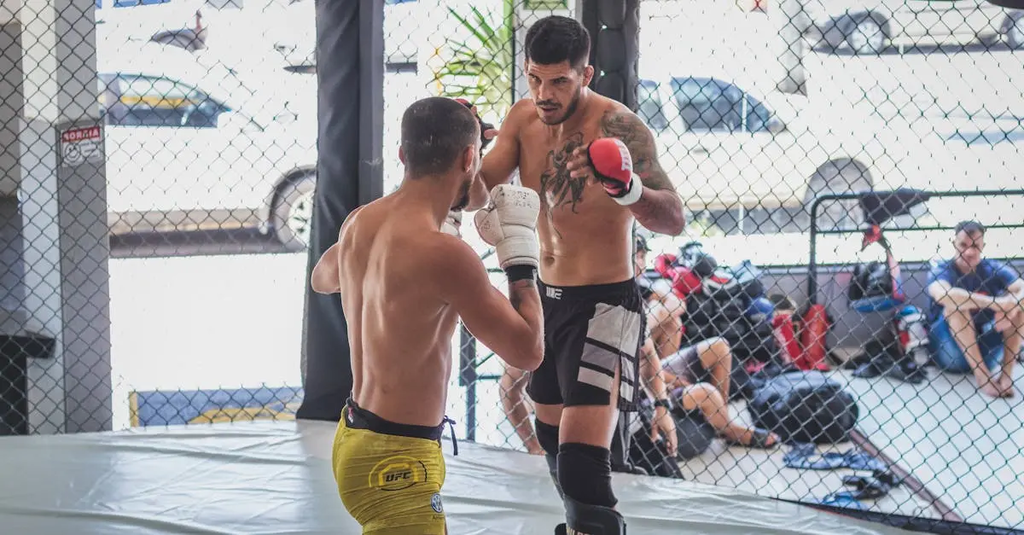
Women in boxing refers to the participation and achievements of female athletes in the sport of boxing. Historically marginalized, women have fought for recognition and equal opportunities, gradually gaining acceptance and respect. Today, female boxers compete at amateur and professional levels, including the Olympics and world championships. Their presence challenges stereotypes, inspires new generations, and highlights issues of gender equality, strength, and resilience within the traditionally male-dominated sport.
Women in Boxing+50
Women in boxing refers to the participation and achievements of female athletes in the sport of boxing. Historically marginalized, women have fought for recognition and equal opportunities, gradually gaining acceptance and respect. Today, female boxers compete at amateur and professional levels, including the Olympics and world championships. Their presence challenges stereotypes, inspires new generations, and highlights issues of gender equality, strength, and resilience within the traditionally male-dominated sport.
💡 Key Takeaways
- Understand the historical barriers and milestones that led to today's opportunities for women boxers.
- Learn how amateur and professional circuits differ for women, including Olympic boxing and sanctioning bodies.
- Identify landmark achievements and influential figures who propelled women’s boxing forward.
- Explore current challenges and progress in equality, training access, and media visibility.
❓ Frequently Asked Questions
What does 'Women in Boxing' cover?
It refers to the participation, achievements, and ongoing efforts of female boxers at amateur and professional levels, including history and progress toward equal opportunities.
When did women's boxing gain Olympic status?
Women’s boxing was added to the Olympic program in 2012, marking a major milestone for visibility and opportunities.
How are amateur and professional boxing different for women?
Amateur boxing centers on national/international competitions and scoring, while professional boxing involves longer bouts, prize money, and career progression under different governing bodies.
What challenges and progress characterize women in boxing today?
Challenges include historical marginalization and pay/visibility gaps; progress includes more participation, broader weight classes, and improved opportunities for competition and sponsorship.