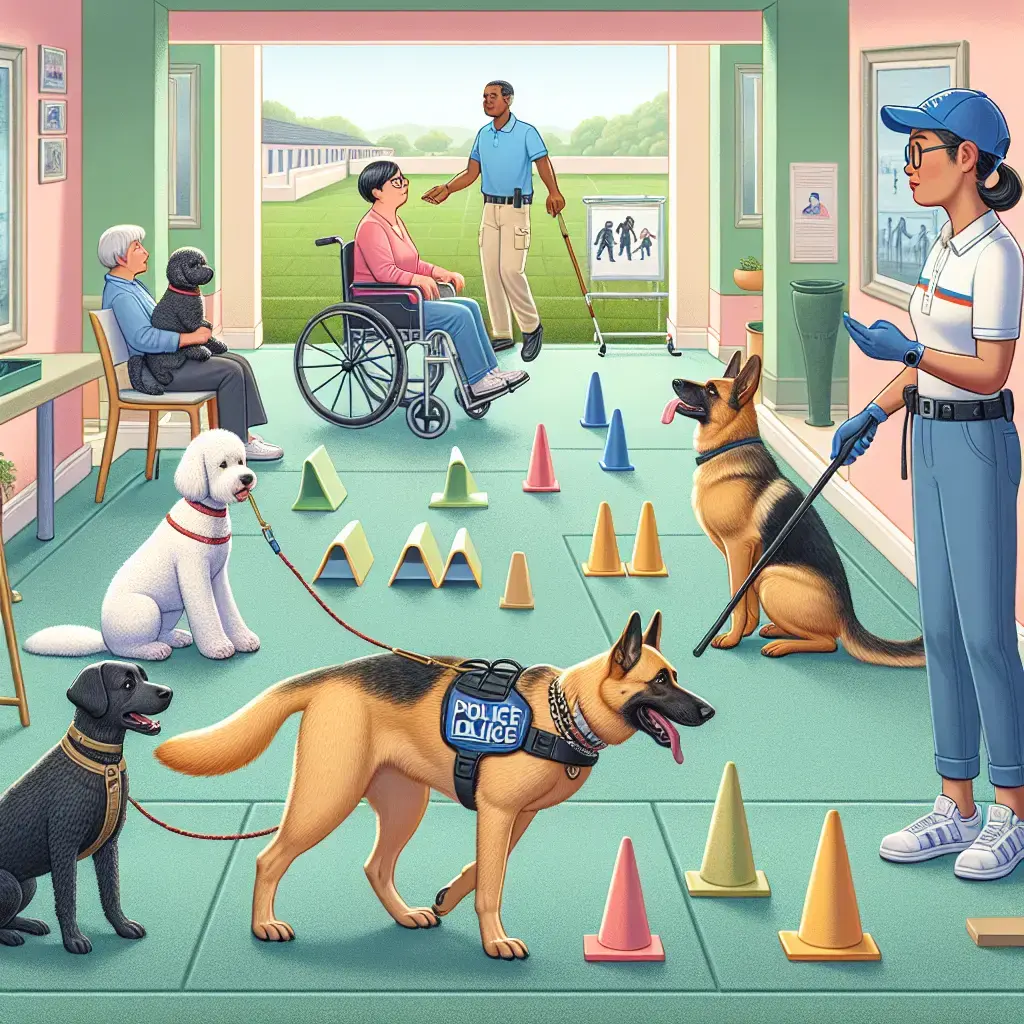
Working and service dogs are specially trained canines that assist humans in various tasks. Their roles range from guiding individuals with disabilities, detecting drugs or explosives, herding livestock, to providing emotional support. Training for these dogs is intensive and tailored to their specific duties, focusing on obedience, task-specific skills, and socialization. Their dedication and abilities make them invaluable partners in public safety, healthcare, and daily life for many people.
Working and Service Dogs: Roles and Training
Working and service dogs are specially trained canines that assist humans in various tasks. Their roles range from guiding individuals with disabilities, detecting drugs or explosives, herding livestock, to providing emotional support. Training for these dogs is intensive and tailored to their specific duties, focusing on obedience, task-specific skills, and socialization. Their dedication and abilities make them invaluable partners in public safety, healthcare, and daily life for many people.
💡 Key Takeaways
- Identify the main roles of working and service dogs, including guiding individuals with disabilities, detection work, livestock herding, and emotional support.
- Distinguish between service dogs and other working dogs and understand the common tasks each is trained to perform.
- Recognize that training for these dogs is intensive and tailored to each dog’s abilities and assigned tasks.
- Appreciate how the human–dog partnership and proper handling contribute to the effectiveness and reliability of working and service dogs.
❓ Frequently Asked Questions
What is the difference between a service dog and a working dog?
A service dog is trained to help a person with a disability perform tasks in daily life; a working dog is trained for a job like guiding, detecting, or herding, and not all working dogs qualify as service dogs.
What tasks can service dogs perform?
They can assist with daily activities such as navigation for the visually impaired, alerting to medical conditions, helping with mobility, and retrieving items; emotional support can be provided by some dogs as part of broader roles.
How is training for these dogs carried out?
Training is intensive and task-specific, starting with basic obedience, then specialized skills, with ongoing practice and customization for the handler.
Do service dogs require official certification?
Certification requirements vary by country and region; many places do not have a universal certificate, with access rights typically based on the dog’s demonstrated tasks and behavior.