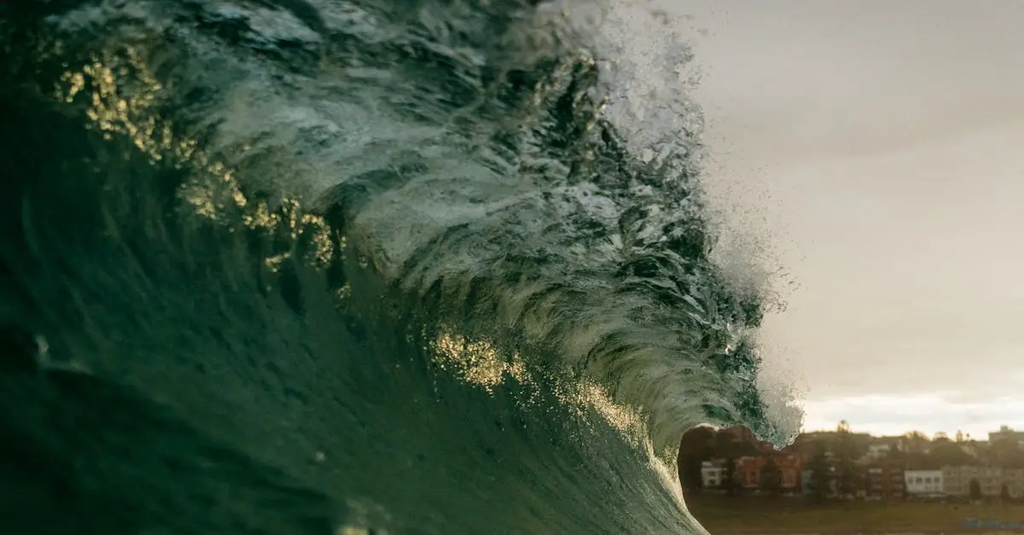
World-class surf breaks refer to exceptional locations in the ocean where waves consistently form ideal shapes and sizes for surfing. These spots, found in places like Hawaii, Australia, and Indonesia, attract surfers from around the globe due to their challenging, powerful, and often picturesque waves. The term implies not only high-quality surfing conditions but also a reputation for offering thrilling experiences for both professional and passionate amateur surfers.
World-Class Surf Breaks
World-class surf breaks refer to exceptional locations in the ocean where waves consistently form ideal shapes and sizes for surfing. These spots, found in places like Hawaii, Australia, and Indonesia, attract surfers from around the globe due to their challenging, powerful, and often picturesque waves. The term implies not only high-quality surfing conditions but also a reputation for offering thrilling experiences for both professional and passionate amateur surfers.
💡 Key Takeaways
- Define world-class surf breaks by criteria like consistency, power, quality of the wave face, and scenery.
- Identify famous breaks in Hawaii, Australia, and Indonesia (e.g., Pipeline, Bells Beach, Uluwatu) and what makes them world-class.
- Explain how reef and bottom topography, swell direction, and wind create powerful, reliable waves.
- Understand safety and prep for tackling advanced breaks: local knowledge, etiquette, tides, and choosing suitable conditions.
❓ Frequently Asked Questions
What defines a world-class surf break?
An ocean location where waves consistently form high-quality, powerful, and rideable faces, offering long, clean sections for skilled surfers.
Where are some famous world-class surf breaks located?
Notable spots include Hawaii (Pipeline, Waimea Bay), Australia (Bells Beach, Snapper Rocks), and Indonesia (Uluwatu, Lakey Peak).
What factors influence a surf break's quality?
Swell size and period, wind, tide, and the seabed (reef vs. sandbar) shape, depth, and current conditions.
What safety and etiquette should you know at world-class breaks?
Be aware of hazards (reefs, strong rips), follow local rules, respect locals, surf within your ability, and have an exit plan.
How should you prepare to surf these breaks safely?
Check forecasts, learn to read waves, start with easier nearby breaks or go with a guide, and ensure your skills and gear match the spot.