World Cup mascots through the years have served as colorful, symbolic figures representing the host nation’s culture, traditions, and spirit. From England’s lion Willie in 1966 to Qatar’s La’eeb in 2022, these mascots have evolved in design and personality, capturing the imagination of fans worldwide. Each mascot becomes a memorable icon, fostering excitement, unity, and a sense of identity throughout the tournament, while also appealing to younger audiences and promoting the event globally.
World Cup mascots through the years+50
World Cup mascots through the years have served as colorful, symbolic figures representing the host nation’s culture, traditions, and spirit. From England’s lion Willie in 1966 to Qatar’s La’eeb in 2022, these mascots have evolved in design and personality, capturing the imagination of fans worldwide. Each mascot becomes a memorable icon, fostering excitement, unity, and a sense of identity throughout the tournament, while also appealing to younger audiences and promoting the event globally.
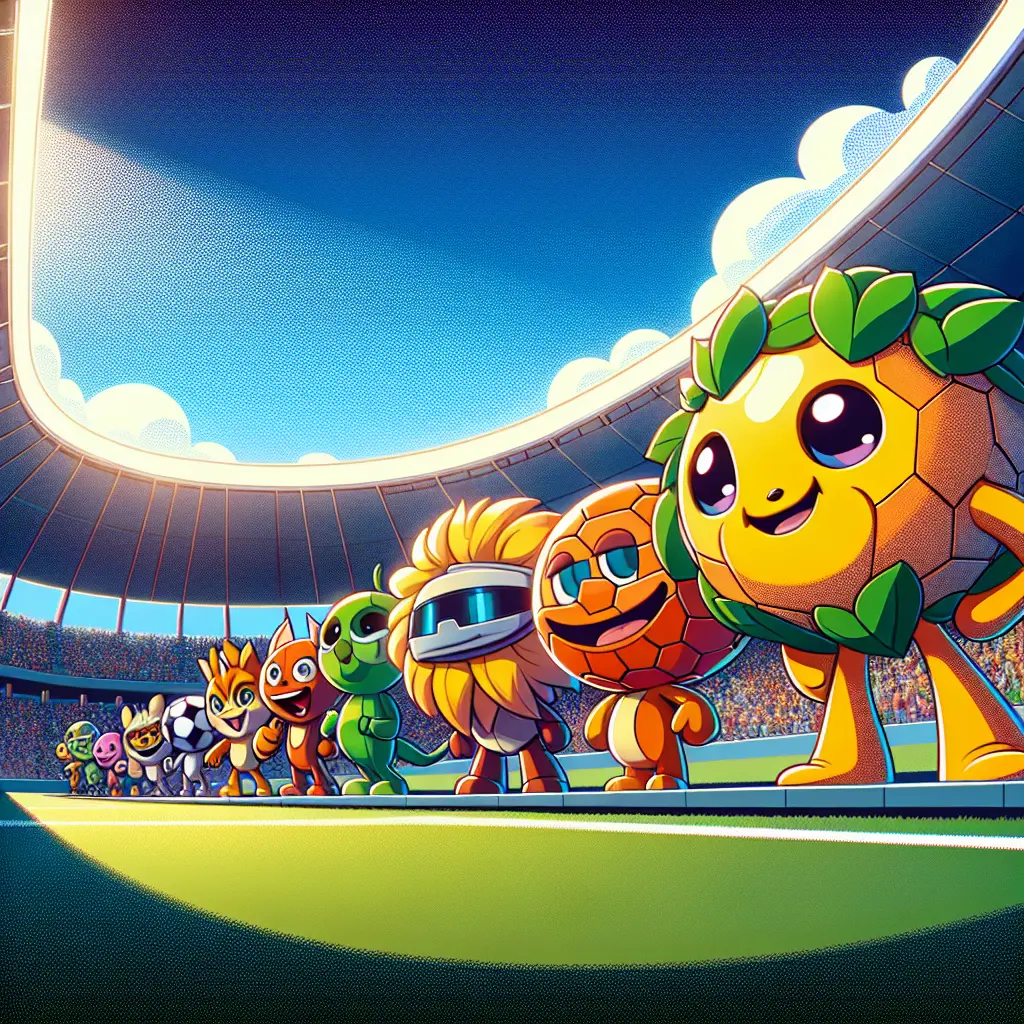
💡 Key Takeaways
- Learn how World Cup mascots reflect the host country's culture, traditions, and identity.
- See how mascot design has evolved from 1966's Willie the Lion in England to 2022's La'eeb in Qatar.
- Explore how mascots enhance fan engagement, branding, and global storytelling for the tournament.
- Identify common themes and trends in mascot choices, such as animals, folklore, and local symbolism.
❓ Frequently Asked Questions
What is the purpose of a World Cup mascot?
To symbolize the host nation's culture and spirit, engage fans, and strengthen branding and marketing for the tournament.
Which mascots are highlighted as early and recent examples in the article?
England’s Willie the Lion (1966) and Qatar’s La’eeb (2022).
How have World Cup mascots evolved from the 1960s to the 2020s?
They’ve shifted from simple animal symbols to more expressive, culturally themed, and modern-designed characters that capture global appeal.
What themes do World Cup mascots typically reflect?
Host nation culture, traditions, and the tournament’s spirit, often incorporating local symbols and colors.