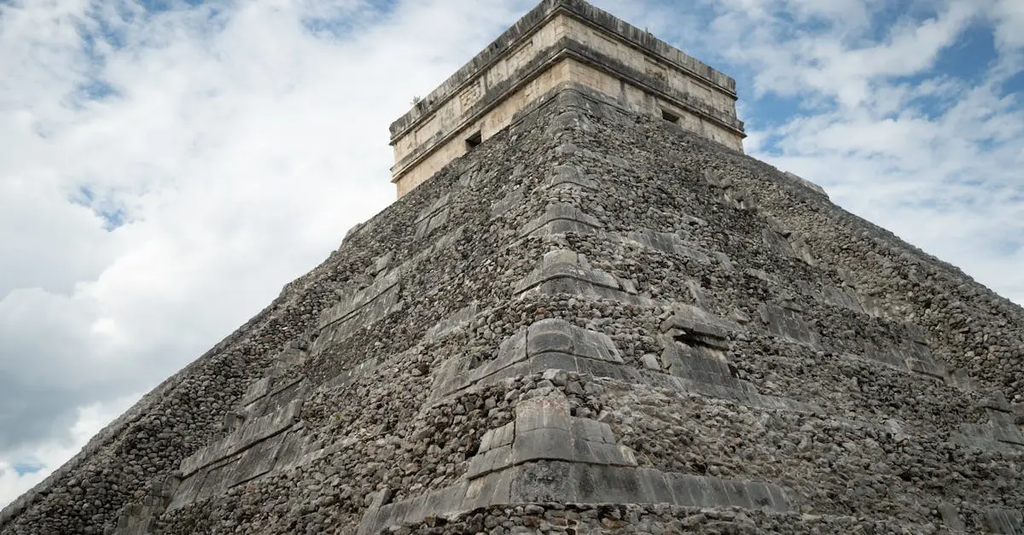
World Landmarks: Castles & Fortresses refers to iconic historic structures built for defense, residence, or governance across different cultures and eras. These landmarks, such as the Tower of London, Neuschwanstein Castle, and the Alhambra, showcase unique architectural styles and reflect the political, cultural, and military history of their regions. Today, they serve as popular tourist attractions, symbolizing the heritage and grandeur of past civilizations.
World Landmarks: Castles & Fortresses
World Landmarks: Castles & Fortresses refers to iconic historic structures built for defense, residence, or governance across different cultures and eras. These landmarks, such as the Tower of London, Neuschwanstein Castle, and the Alhambra, showcase unique architectural styles and reflect the political, cultural, and military history of their regions. Today, they serve as popular tourist attractions, symbolizing the heritage and grandeur of past civilizations.

💡 Key Takeaways
- Identify the primary roles of castles and fortresses (defense, residence, governance) across cultures and eras.
- Recognize key architectural features (towers, curtain walls, battlements, moats) and what they reveal about defense and daily life.
- Compare iconic examples (Tower of London, Neuschwanstein Castle, the Alhambra) to understand distinctive styles and histories.
- Understand how geography, politics, and culture shaped castle design and regional architectural styles (Romanesque, Gothic, Moorish, Renaissance).
❓ Frequently Asked Questions
What defines a castle or fortress?
A castle is a fortified residence and administrative center, while a fortress is built primarily for military defense. Both feature defenses such as walls, towers, battlements, and gates; castles often combine residence with governance.
Which architectural features are typical of world castles and fortresses?
Defensive walls, towers, battlements, gatehouses, keeps, moats, and drawbridges are common; interiors may include great halls, keeps, and courtyards.
How do geography and culture influence fortress design?
Fortresses are located at strategic points (hills, along rivers, chokepoints) and reflect local materials and styles; examples include Moorish arches in the Alhambra, stonework of European castles, and romantic revival forms like Neuschwanstein.
Are all famous castles medieval?
No. While many are medieval, some built later as stately residences or for ceremonial purposes—such as Neuschwanstein Castle (19th century)—are not true medieval fortresses.