"World Landmarks: Iconic Skylines" refers to the distinctive and recognizable outlines of major cities, defined by famous structures such as the Eiffel Tower in Paris, the Statue of Liberty in New York, or the Sydney Opera House. These skylines symbolize the cultural and architectural identity of their locations, attracting tourists and serving as visual representations of global cities. They highlight human achievement and the unique characteristics of each metropolis.
World Landmarks: Iconic Skylines
"World Landmarks: Iconic Skylines" refers to the distinctive and recognizable outlines of major cities, defined by famous structures such as the Eiffel Tower in Paris, the Statue of Liberty in New York, or the Sydney Opera House. These skylines symbolize the cultural and architectural identity of their locations, attracting tourists and serving as visual representations of global cities. They highlight human achievement and the unique characteristics of each metropolis.
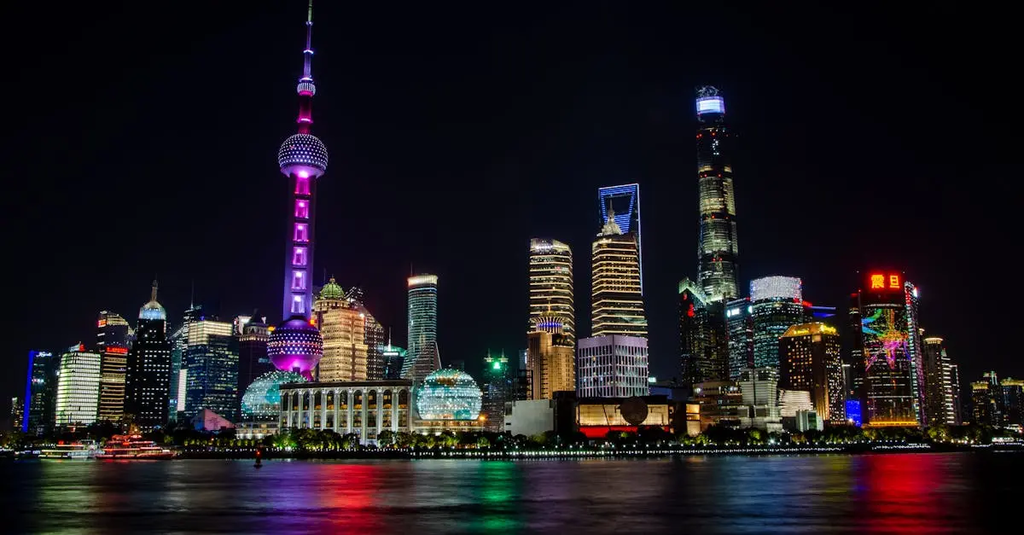
💡 Key Takeaways
- Identify iconic landmarks that define major city skylines and what makes their silhouettes distinctive.
- Explore how skylines reflect a city's cultural identity, history, and architectural heritage.
- Compare skylines across regions by noting signature structures such as the Eiffel Tower, Statue of Liberty, Sydney Opera House, and others.
- Understand how urban planning, geography, and development over time shape skyline evolution.
- Learn how lighting, angles, and perspective affect how skylines are perceived in photography and media.
❓ Frequently Asked Questions
What makes a skyline iconic?
An iconic skyline features a city’s most recognizable buildings and silhouette—landmarks that symbolize the city and are easy to spot from distance.
Name some famous skyline landmarks.
Examples include the Eiffel Tower (Paris), Statue of Liberty (New York), Sydney Opera House (Sydney), Burj Khalifa (Dubai), and Big Ben (London).
How do skylines reflect a city's history and culture?
They reveal architectural eras, economic growth, and cultural priorities through landmark choices and skyline shapes.
How can you use skyline clues in a quiz?
Identify well-known structures first, then match them to the city; use silhouettes and geographic hints to guide guesses.