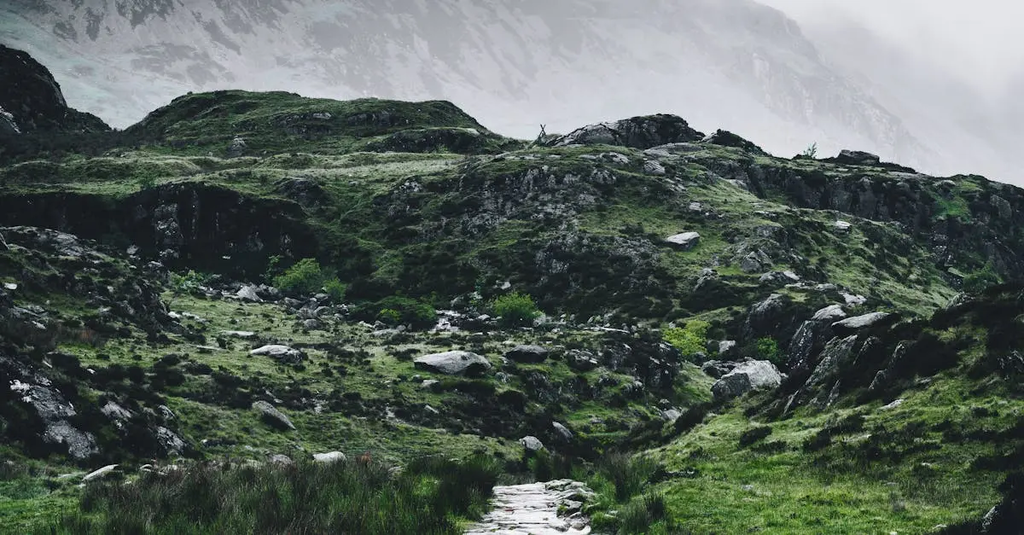
World Landmarks: Natural Wonders refers to iconic geological or environmental sites recognized globally for their extraordinary beauty, uniqueness, or significance. These landmarks include natural formations such as mountains, waterfalls, canyons, and reefs—examples being the Grand Canyon, Mount Everest, the Great Barrier Reef, and Victoria Falls. They attract millions of visitors, inspire awe, and often represent the natural heritage of their respective regions, highlighting the planet’s diverse and breathtaking landscapes.
World Landmarks: Natural Wonders
World Landmarks: Natural Wonders refers to iconic geological or environmental sites recognized globally for their extraordinary beauty, uniqueness, or significance. These landmarks include natural formations such as mountains, waterfalls, canyons, and reefs—examples being the Grand Canyon, Mount Everest, the Great Barrier Reef, and Victoria Falls. They attract millions of visitors, inspire awe, and often represent the natural heritage of their respective regions, highlighting the planet’s diverse and breathtaking landscapes.
💡 Key Takeaways
- Identify iconic natural landmarks worldwide and why they are globally recognized.
- Explain the natural processes that create mountains, canyons, waterfalls, and reefs.
- Differentiate major categories of natural wonders (mountains, canyons, waterfalls, reefs).
- Understand how natural wonders influence culture, tourism, and conservation efforts.
- Recognize current threats to these sites and the basics of conservation and sustainable travel.
❓ Frequently Asked Questions
What qualifies as a natural landmark?
A natural landmark is a geologic or environmental feature formed by natural processes and recognized for its beauty, rarity, ecological importance, or geological significance; it is not man-made.
What types of natural wonders are included in World Landmarks: Natural Wonders?
Common types include mountains, waterfalls, canyons, reefs, and other iconic natural formations celebrated worldwide.
Can you name a classic example of a natural landmark mentioned in the description?
The Grand Canyon is a well-known example of a natural landmark.
Why is it important to protect natural wonders when traveling?
They reveal Earth's history, support biodiversity, inspire people, and require responsible travel practices to preserve them for future generations.