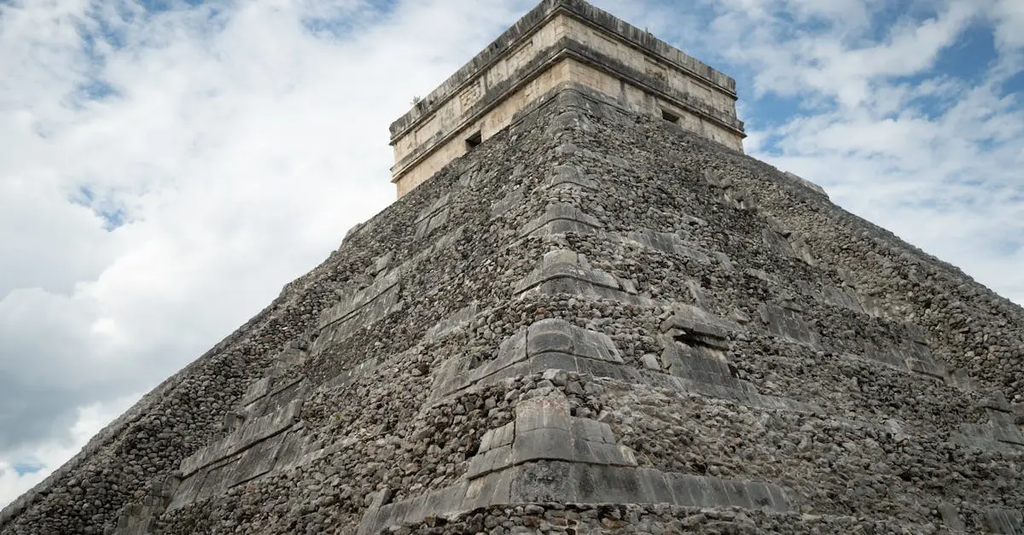
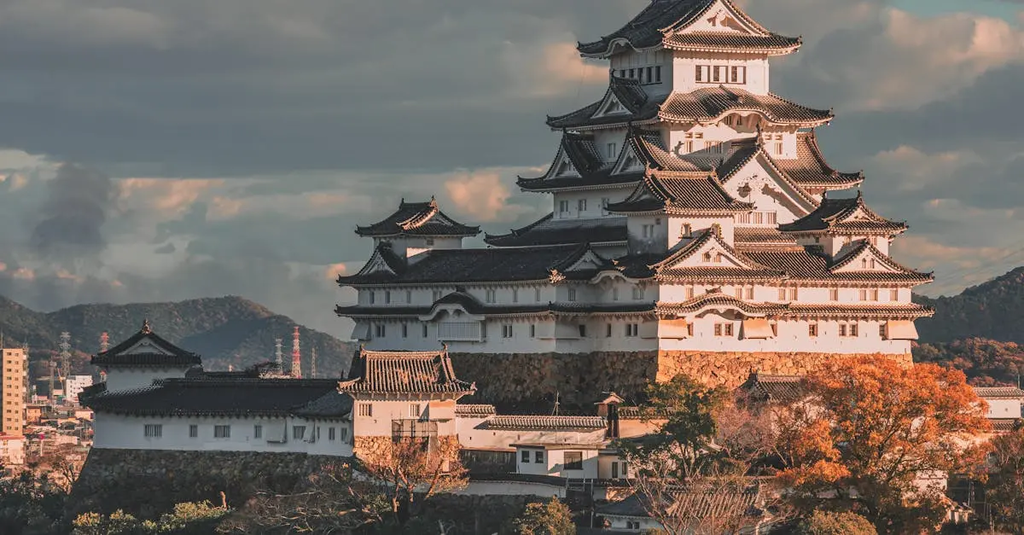
World Landmarks: Sacred Sites refers to globally recognized locations that hold deep spiritual, religious, or cultural significance. These sites, such as temples, churches, mosques, shrines, and ancient monuments, attract pilgrims and tourists alike. They often symbolize faith, history, and tradition, serving as centers for worship and reflection. Examples include the Vatican, Mecca, Angkor Wat, and the Western Wall, each representing unique beliefs and heritage across different civilizations.
World Landmarks: Sacred Sites
World Landmarks: Sacred Sites refers to globally recognized locations that hold deep spiritual, religious, or cultural significance. These sites, such as temples, churches, mosques, shrines, and ancient monuments, attract pilgrims and tourists alike. They often symbolize faith, history, and tradition, serving as centers for worship and reflection. Examples include the Vatican, Mecca, Angkor Wat, and the Western Wall, each representing unique beliefs and heritage across different civilizations.
💡 Key Takeaways
- Understand what makes a site sacred and how significance varies across cultures.
- Identify common sacred-site types (temples, churches, mosques, shrines, monasteries) and notable architectural features.
- Explore how pilgrimage, rituals, and tourism shape the use and meaning of these sites.
- Learn etiquette and conservation practices to respectfully visit sacred sites.
❓ Frequently Asked Questions
What makes a site sacred or culturally significant?
A site is sacred when it holds religious beliefs, rituals, or deep cultural meaning for a community, such as temples, churches, mosques, shrines, monasteries, or ancient monuments tied to legends or history.
What are common types of sacred sites?
Common types include temples, churches, mosques, shrines, monasteries, pagodas, synagogues, sacred mountains, caves or grottos, and historic monuments linked to pilgrimage.
How do sacred sites influence travel and tourism?
They attract pilgrims and visitors seeking spiritual insight, learning about history, and cultural experiences; respectful behavior and following local rules enhance the experience.
How should visitors behave at sacred sites?
Dress modestly, speak quietly, follow photography rules, remove hats where required, and respect rites, restricted areas, and guides' instructions.
Are sacred sites protected or preserved?
Many are protected by national laws or international programs (e.g., UNESCO) to preserve heritage; access may be restricted to safeguard rituals or safety.