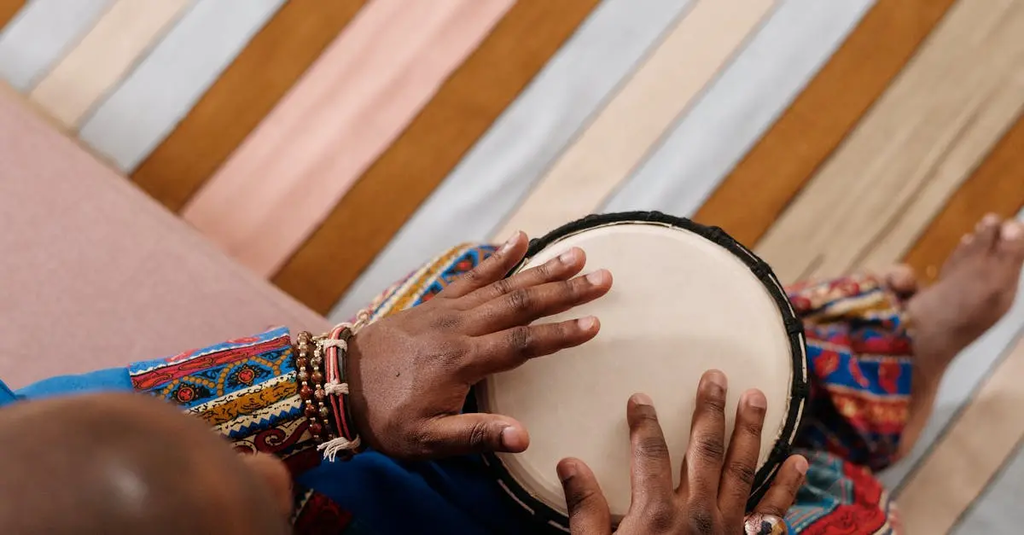
World music traditions encompass the diverse musical styles, instruments, and practices found across different cultures worldwide. Rooted in local customs, rituals, and histories, these traditions often reflect the values, beliefs, and social structures of their communities. Through performances, storytelling, and communal participation, world music traditions preserve cultural heritage, foster cross-cultural understanding, and inspire contemporary music. They include genres such as African drumming, Indian classical, Latin rhythms, and indigenous chants.
World Music Traditions+50
World music traditions encompass the diverse musical styles, instruments, and practices found across different cultures worldwide. Rooted in local customs, rituals, and histories, these traditions often reflect the values, beliefs, and social structures of their communities. Through performances, storytelling, and communal participation, world music traditions preserve cultural heritage, foster cross-cultural understanding, and inspire contemporary music. They include genres such as African drumming, Indian classical, Latin rhythms, and indigenous chants.
💡 Key Takeaways
- Identify key world music traditions (e.g., African, Indian, Middle Eastern, East Asian, Latin American) and representative instruments.
- Explain how geography, history, and culture shape rhythms, scales, and song forms.
- Recognize common musical features such as call-and-response, polyrhythms, drones, and modal scales used in world music.
- Compare traditional forms with contemporary world music and fusion genres.
- Listen for cross-cultural influences and global collaborations shaping today’s world music landscape.
❓ Frequently Asked Questions
What does 'world music' mean and how is it different from Western music?
World music broadly covers traditional, folk, and contemporary music from non-Western cultures, emphasizing regional contexts and instruments. Western music typically refers to European-derived traditions, classical forms, and mainstream genres.
Which instruments are commonly associated with world music traditions?
Examples include the djembe (West Africa), sitar (India), shamisen (Japan), pan flute (Andes), oud (Middle East), and kora (West Africa).
How are world music traditions usually transmitted and learned?
Knowledge is often passed through oral teaching, apprenticeships, communal performances, and ceremonies, with less reliance on formal written notation than in some Western traditions.
How has globalization affected world music?
Globalization has enabled cross-cultural collaborations and wider distribution, leading to fusion styles and broader audiences while prompting discussions about cultural context and authenticity.