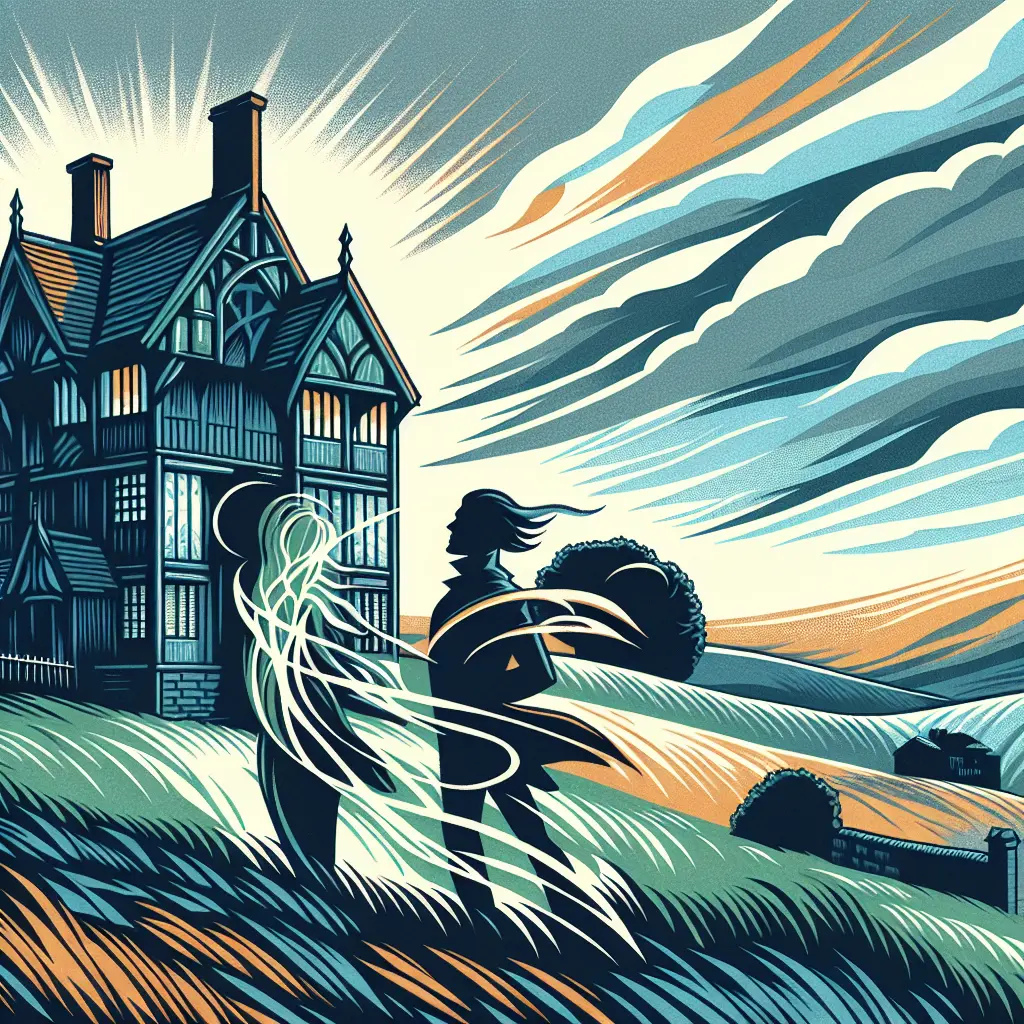
"Wuthering Heights" employs a complex narrative structure, using multiple narrators and a story-within-a-story format. The primary voices are those of Lockwood, an outsider, and Nelly Dean, the housekeeper, each offering subjective perspectives on the events and characters. This layered narration creates ambiguity, deepens character development, and allows readers to question the reliability of each account, enhancing the novel’s gothic atmosphere and emotional intensity.
Wuthering Heights: structure and voice
"Wuthering Heights" employs a complex narrative structure, using multiple narrators and a story-within-a-story format. The primary voices are those of Lockwood, an outsider, and Nelly Dean, the housekeeper, each offering subjective perspectives on the events and characters. This layered narration creates ambiguity, deepens character development, and allows readers to question the reliability of each account, enhancing the novel’s gothic atmosphere and emotional intensity.
💡 Key Takeaways
- Identify the frame narrative that opens with Lockwood's arrival and discuss how an outsider's perspective shapes what we learn about Wuthering Heights.
- Explain Nelly Dean's role as the housekeeper-narrator and how her biases and loyalties influence the portrayal of key characters.
- Describe the story-within-a-story structure and consider how this layering affects reliability, mood, and interpretation.
- Analyze how the two main narrators influence major themes such as love, revenge, power, and social class, shaping reader understanding.
❓ Frequently Asked Questions
What narrative structure does Wuthering Heights use?
A frame/nested narrative: an outer narrator (Lockwood) frames the tale, while the housekeeper Nelly Dean provides the bulk of the inner narration, recounting past events at Wuthering Heights and Thrushcross Grange.
Who are the main narrators and how do they shape the story?
Lockwood, the outsider, frames the story with his impressions, and Nelly Dean narrates most of the events, guiding reader interpretation through her biases, omissions, and selective memory.
What is a story-within-a-story, and how is it used in the novel?
Nelly’s accounts tell past events as a tale to Lockwood, creating a story-within-a-story structure that layers perspectives and complicates what the reader believes happened.
How does multiple narration affect reliability and meaning?
Different narrators offer partial, biased views; memory lapses and personal motives invite skepticism, encouraging readers to weigh competing accounts and focus on themes rather than a single truth.