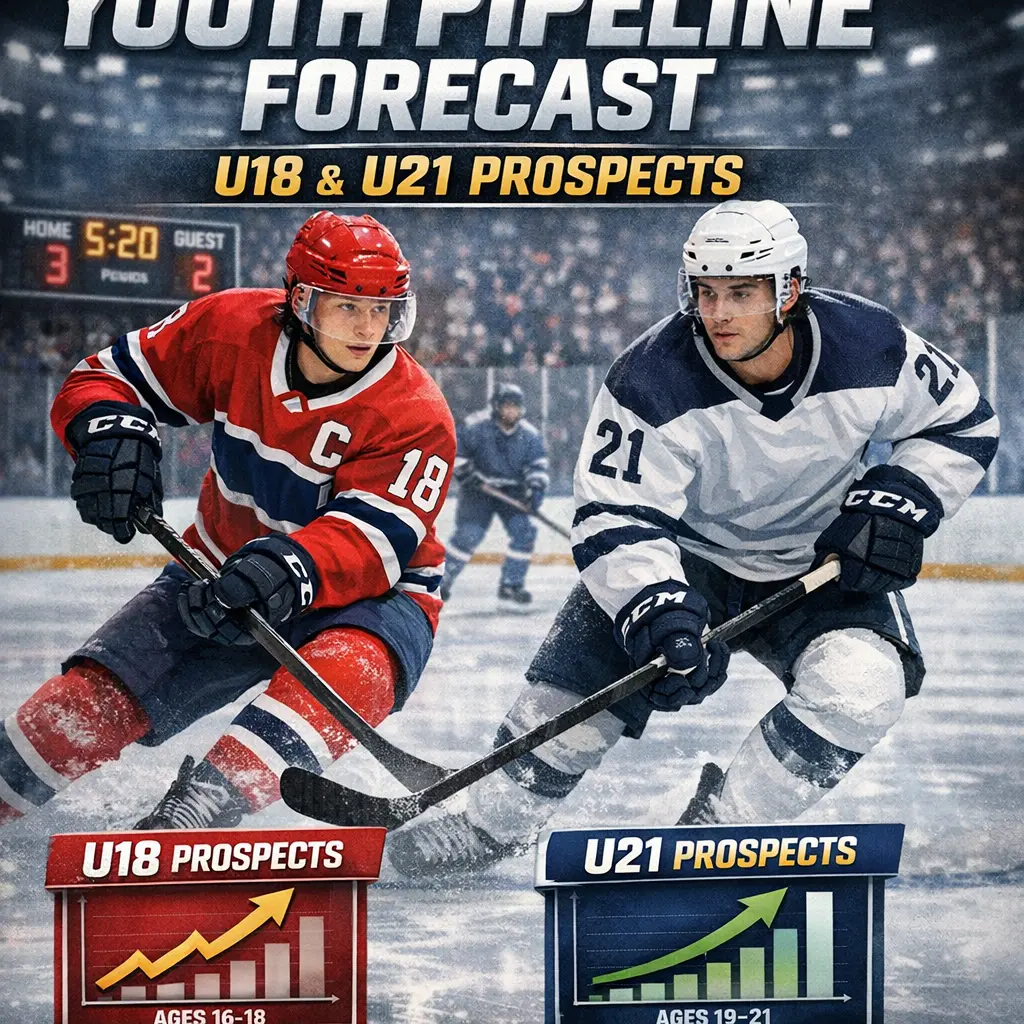
The phrase refers to an analysis or prediction of emerging young football talents under the ages of 18 and 21 within Manchester United F.C.’s youth academy. It highlights the club’s future prospects, assessing which young players are most likely to progress to the senior team. This forecast evaluates their current development, potential impact, and readiness, offering insights into the club’s long-term strategy for nurturing and integrating homegrown talent into the first team.
Youth Pipeline Forecast: U18 and U21 Prospects
The phrase refers to an analysis or prediction of emerging young football talents under the ages of 18 and 21 within Manchester United F.C.’s youth academy. It highlights the club’s future prospects, assessing which young players are most likely to progress to the senior team. This forecast evaluates their current development, potential impact, and readiness, offering insights into the club’s long-term strategy for nurturing and integrating homegrown talent into the first team.
💡 Key Takeaways
- Understand the factors shaping youth-to-pro progression for U18 and U21 players
- Identify the key development milestones and indicators used to forecast prospects in these age groups
- Learn how academy quality, coaching, and competition level influence timing and chances of turning pro
- Explore typical progression timelines and pathways from U18/U21 to professional leagues and international exposure
❓ Frequently Asked Questions
What does U18 and U21 mean in youth prospects?
U18 and U21 are age-group labels (under 18 and under 21) used to categorize players in development programs and competitions, indicating their place in the pipeline and eligibility for certain teams.
How is a youth pipeline forecast generated?
It combines academy data, match performance, physical and technical development, injury history, and historical progression rates to estimate a player’s likelihood of turning professional within a timeframe.
Which indicators best predict future pro success?
Consistent performance in youth competitions, strong technical and tactical abilities, physical development, resilience, and evidence of stepping up to higher-age groups or senior teams.
Why are these forecasts not guarantees?
Development is non-linear and influenced by injuries, opportunities, coaching, competition level, and market factors; forecasts express probabilities, not certainties.