The ZX Spectrum & microcomputer scene refers to the vibrant community and culture that developed around early home computers, particularly the ZX Spectrum, during the 1980s. It encompasses the creativity of hobbyists, programmers, and gamers who produced software, games, and magazines, fostering innovation and collaboration. This scene played a crucial role in popularizing computing, influencing technology education, and sparking lifelong passions for coding and digital art, especially in the UK and Europe.
ZX Spectrum & Microcomputer Scene
The ZX Spectrum & microcomputer scene refers to the vibrant community and culture that developed around early home computers, particularly the ZX Spectrum, during the 1980s. It encompasses the creativity of hobbyists, programmers, and gamers who produced software, games, and magazines, fostering innovation and collaboration. This scene played a crucial role in popularizing computing, influencing technology education, and sparking lifelong passions for coding and digital art, especially in the UK and Europe.
💡 Key Takeaways
- Understand how the ZX Spectrum and microcomputers fostered a vibrant, community-driven gaming culture in the 1980s.
- Learn how hobbyists, programmers, and gamers created software, games, and magazines that defined the scene.
- Discover how magazines and informal networks enabled sharing, learning, and collaboration in early home computing.
- Appreciate the lasting legacy of this era, including renewed interest in retro gaming and preservation of classic ZX Spectrum titles.
❓ Frequently Asked Questions
What is the ZX Spectrum?
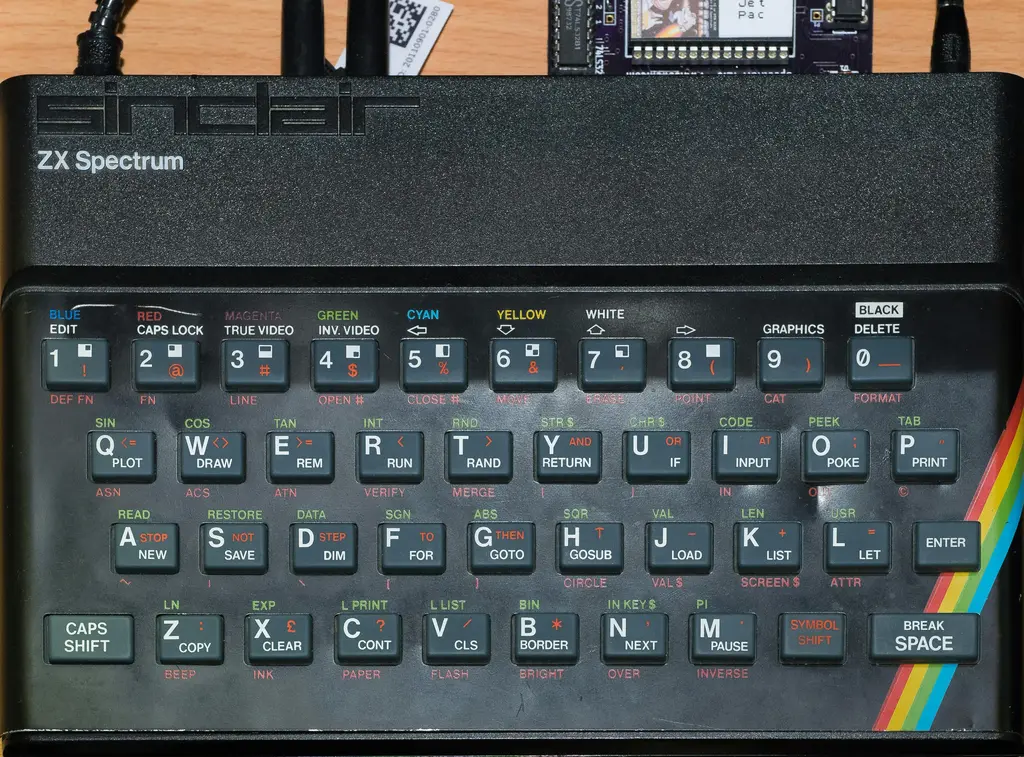
A British 8‑bit home computer from 1982 by Sinclair Research, known for affordability, colorful graphics, and a large library of games that helped build a thriving hobbyist community.
What does the ZX Spectrum microcomputer scene refer to?
The vibrant culture around early home computers in the 1980s—hobbyists, programmers, and gamers who created software, magazines, demos, and community activities.
What kinds of content did people create for the Spectrum?
Original games, utilities, programming tutorials, demos, and magazine articles, often shared as listings or on cassette tapes and later on disks.
How did enthusiasts share and publish their work?
Through computer magazines (e.g., Your Sinclair, Crash, Sinclair User), clubs and meetups, cassette releases, and printed or typed-in listings.
What were common storage and loading methods for Spectrum software?
Audio cassette tapes were the main medium for loading programs; disk interfaces and 128K machines later offered faster access.