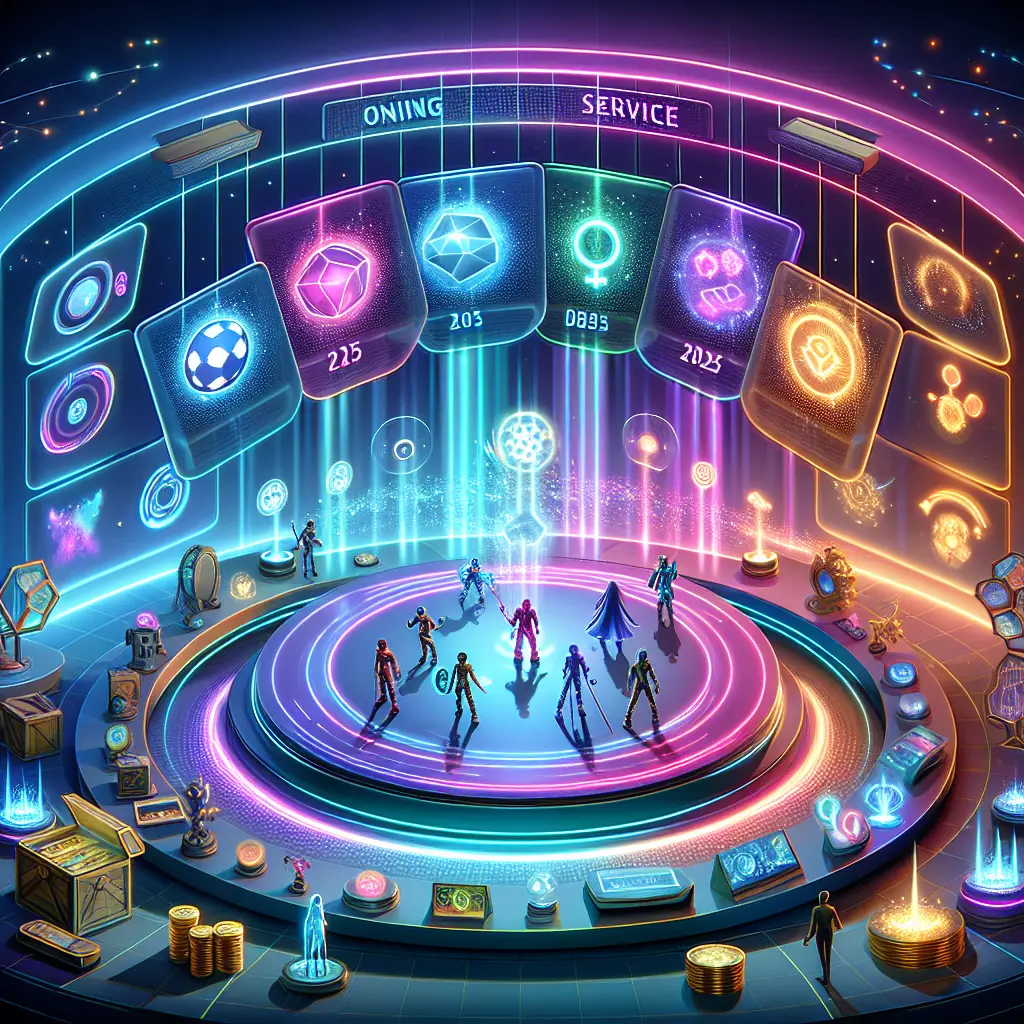
The phrase "2025 Game Monetization & Live-Service Models" refers to the evolving strategies and systems that video game developers and publishers will use in 2025 to generate revenue and maintain player engagement. This includes methods like in-game purchases, subscriptions, battle passes, and regular content updates, all designed to keep players invested over time. The focus is on sustainable income streams and ongoing player interaction rather than one-time purchases.
2025 Game Monetization & Live-Service Models
The phrase "2025 Game Monetization & Live-Service Models" refers to the evolving strategies and systems that video game developers and publishers will use in 2025 to generate revenue and maintain player engagement. This includes methods like in-game purchases, subscriptions, battle passes, and regular content updates, all designed to keep players invested over time. The focus is on sustainable income streams and ongoing player interaction rather than one-time purchases.
💡 Key Takeaways
- Identify the main 2025 monetization and live-service models (in-game purchases, subscriptions, battle passes, seasonal content).
- Explain how seasons, events, and cadence keep players engaged and drive ongoing revenue.
- Differentiate cosmetic vs. gameplay-affecting purchases and why balance matters for player trust.
- Recognize regulatory and ethical considerations shaping monetization (loot-box rules, spending limits, disclosures, data privacy).
❓ Frequently Asked Questions
What is a live-service game model and how does it work?
A live-service game is designed for ongoing updates after launch, with new content, events, and features to keep players engaged. Revenue typically comes from ongoing monetization like cosmetics, battle passes, or subscriptions rather than a one-time purchase.
What is a battle pass and how does it monetize a game?
A battle pass is a time-limited tier system that rewards players as they play. A free track offers basic rewards, while a paid premium track unlocks more items (cosmetics, currencies, skins) as you reach higher tiers.
What are common monetization methods used in 2025?
Common methods include cosmetic microtransactions, battle passes/season passes, subscriptions for ongoing benefits, and bundles or in-game currencies. Many games emphasize non-pay-to-win items to maintain fairness.
What regulatory or ethical considerations are shaping 2025 game monetization?
Regulators are scrutinizing practices like loot boxes and dark patterns, pushing for price transparency, age restrictions, and spending limits to protect players, especially younger audiences.