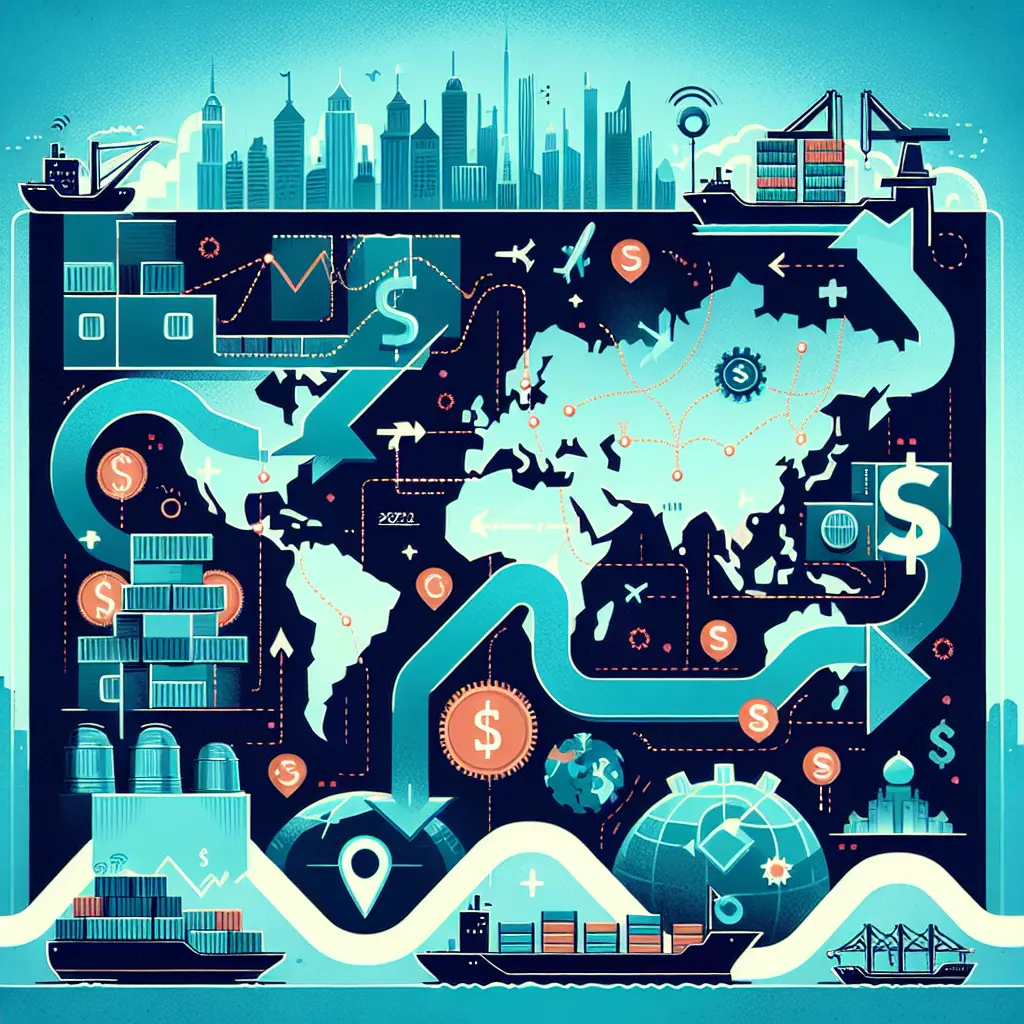
The 2025 Trade Policy, Geoeconomics & Sanctions phrase refers to the evolving strategies and regulations shaping international trade in 2025. It highlights how nations are leveraging economic tools—such as tariffs, trade agreements, and sanctions—to advance geopolitical interests. Geoeconomics emphasizes the use of economic power to influence global affairs, while sanctions serve as instruments to deter or punish states for undesirable actions, impacting global supply chains, markets, and diplomatic relations.
2025 Trade Policy, Geoeconomics & Sanctions
The 2025 Trade Policy, Geoeconomics & Sanctions phrase refers to the evolving strategies and regulations shaping international trade in 2025. It highlights how nations are leveraging economic tools—such as tariffs, trade agreements, and sanctions—to advance geopolitical interests. Geoeconomics emphasizes the use of economic power to influence global affairs, while sanctions serve as instruments to deter or punish states for undesirable actions, impacting global supply chains, markets, and diplomatic relations.
💡 Key Takeaways
- Understand how geoeconomics uses tools like tariffs, sanctions, export controls, and trade agreements to pursue geopolitical goals in 2025.
- Identify the main trade policy instruments (tariffs, quotas, subsidies, export controls, and trade deals) and how they shape economic leverage.
- Analyze how sanctions regimes affect global markets, supply chains, and business strategy.
- Examine the role of technology, energy, and regional dynamics in shaping 2025 trade policy and sanctions.
- Consider how firms and policymakers assess risk, ensure compliance, and adapt strategies in a geopolitically charged trade environment.
❓ Frequently Asked Questions
What is geoeconomics, and why does it matter in 2025?
Geoeconomics uses economic tools to pursue geopolitical goals; in 2025 countries leverage tariffs, sanctions, export controls, and investment rules to influence relations and strategic outcomes.
What are the main tools shaping 2025 trade policy?
Tariffs, sanctions, export controls, trade agreements, investment screening, and industrial policies are used to manage flows, access, and strategic sectors.
How do sanctions affect trade and economies?
Sanctions restrict or prohibit trade and financial transactions with targeted countries or entities, disrupting supply chains, raising costs, and redirecting investment.
What is the difference between tariffs and sanctions?
Tariffs are taxes on imports/exports used to raise revenue or protect domestic industries; sanctions are targeted prohibitions or restrictions intended to pressure behavior.