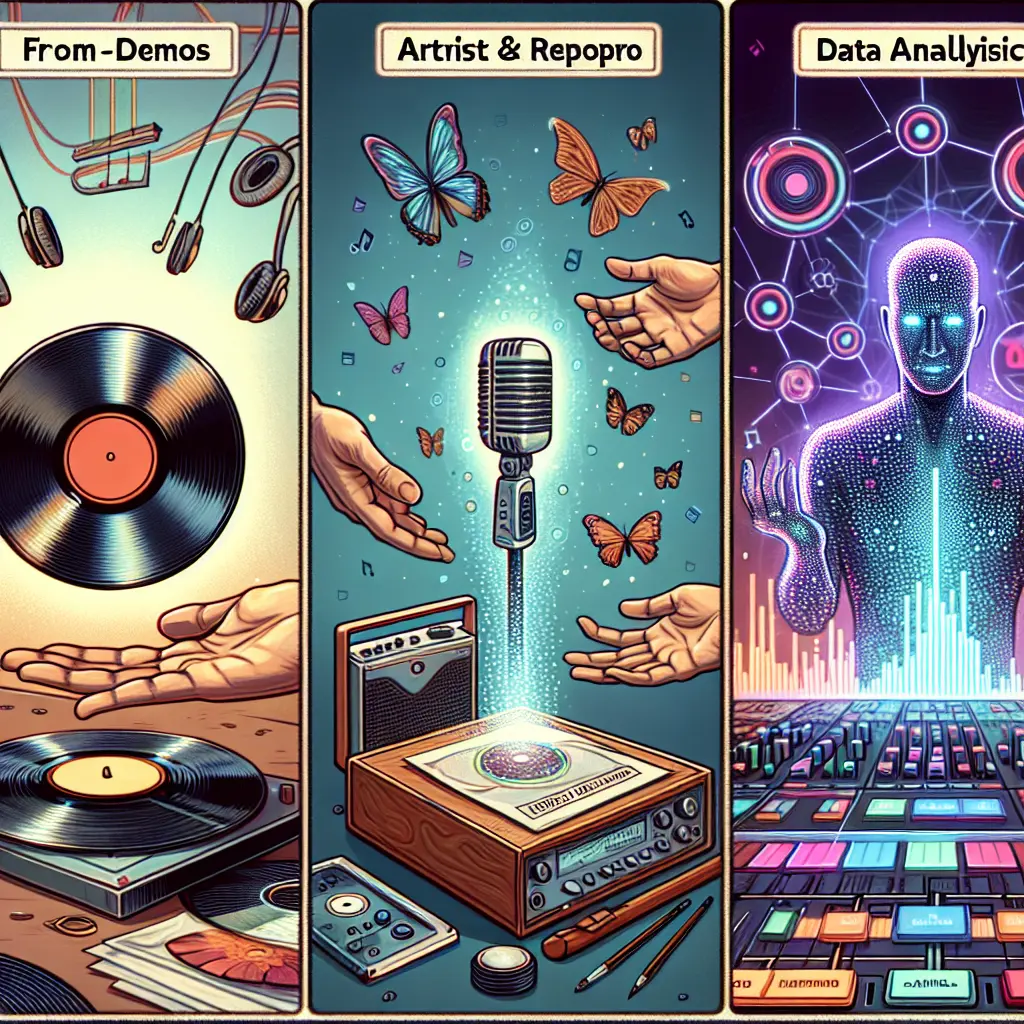
A&R Evolution: From Demos to Data Analytics refers to the transformation of the Artists and Repertoire (A&R) role in the music industry. Traditionally, A&R professionals discovered talent through live performances and demo tapes. Today, the process increasingly relies on data analytics, using streaming numbers, social media engagement, and audience demographics to identify promising artists. This shift reflects how technology and data-driven insights now shape talent scouting and artist development.
A&R Evolution: From Demos to Data Analytics
A&R Evolution: From Demos to Data Analytics refers to the transformation of the Artists and Repertoire (A&R) role in the music industry. Traditionally, A&R professionals discovered talent through live performances and demo tapes. Today, the process increasingly relies on data analytics, using streaming numbers, social media engagement, and audience demographics to identify promising artists. This shift reflects how technology and data-driven insights now shape talent scouting and artist development.
💡 Key Takeaways
- Understand how A&R shifted from demos and live scouting to data-driven talent discovery using streaming and engagement metrics.
- Identify the data sources A&R now analyzes, including streams, playlist placements, saves, shares, and audience demographics.
- Learn how data analytics informs decisions about artist development, branding, and roster planning.
- Recognize challenges and considerations in data-driven A&R, such as privacy, bias, and the balance between data and artistic intuition.
❓ Frequently Asked Questions
What does A&R stand for and how has its role evolved?
A&R stands for Artists and Repertoire. It moved from relying on live performances and demo tapes to using data from streaming, playlists, and fan engagement to identify talent.
What data signals do modern A&Rs use?
Signals include streaming counts, unique listener growth, playlist adds, completion rates, demographic and geographic data, social buzz, and release timing.
Why is data not sufficient on its own for talent discovery?
Data shows interest and trends but cannot judge artistry, originality, or long-term potential; human judgment and context remain essential.
How did demos influence traditional A&R discovery?
Demos were submitted or performed live to attract attention, with labels assessing material and potential reach, often with limited access to artists.
What should artists do to align with the A&R evolution?
Build a strong streaming presence, engage fans, release strategic material, and use data-informed approaches to maximize visibility and discovery.