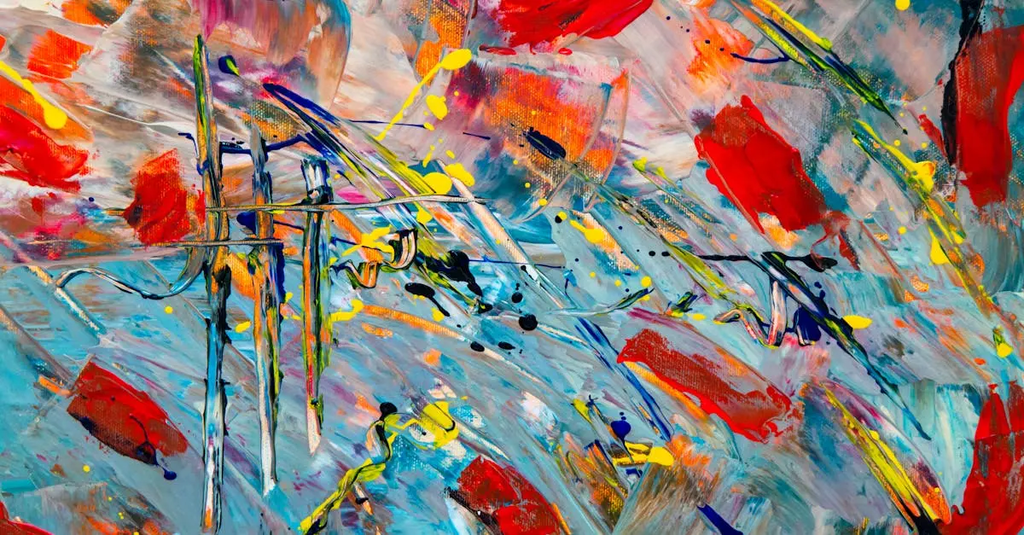
Abstract Expressionism is an influential art movement that emerged in the United States during the 1940s and 1950s. Characterized by large-scale, spontaneous, and expressive brushwork, it emphasizes the artist’s emotional intensity and personal expression over realistic depiction. Artists like Jackson Pollock and Mark Rothko are notable figures. The movement often features bold colors, dynamic compositions, and non-representational forms, aiming to evoke emotion and engage viewers on a visceral, intuitive level.
Abstract Expressionism
Abstract Expressionism is an influential art movement that emerged in the United States during the 1940s and 1950s. Characterized by large-scale, spontaneous, and expressive brushwork, it emphasizes the artist’s emotional intensity and personal expression over realistic depiction. Artists like Jackson Pollock and Mark Rothko are notable figures. The movement often features bold colors, dynamic compositions, and non-representational forms, aiming to evoke emotion and engage viewers on a visceral, intuitive level.
💡 Key Takeaways
- Understand that Abstract Expressionism prioritizes emotion and personal expression over realistic depiction.
- Identify defining features such as large-scale canvases and spontaneous, gestural brushwork.
- Know the movement emerged in the United States during the 1940s–1950s as a shift in artistic leadership.
- Familiarize with key artists and approaches (e.g., Pollock's action painting, de Kooning's gestural abstraction, Rothko's color fields).
❓ Frequently Asked Questions
What is Abstract Expressionism?
An American art movement of the 1940s–1950s that emphasizes spontaneous, gestural brushwork and personal emotion, often non-representational rather than realistic depiction.
When and where did it originate?
It emerged in the United States, especially New York City, in the late 1940s after World War II.
What are the main approaches within Abstract Expressionism?
Two main strands: Action painting (gestural, dynamic brushwork) and Color Field painting (large areas of color).
Who are some key artists associated with Abstract Expressionism?
Jackson Pollock, Willem de Kooning, Mark Rothko, Barnett Newman, among others.
How does Abstract Expressionism differ from realism?
It prioritizes emotion, inner experience, and abstraction over realistic depiction, often emphasizing process and spontaneity.