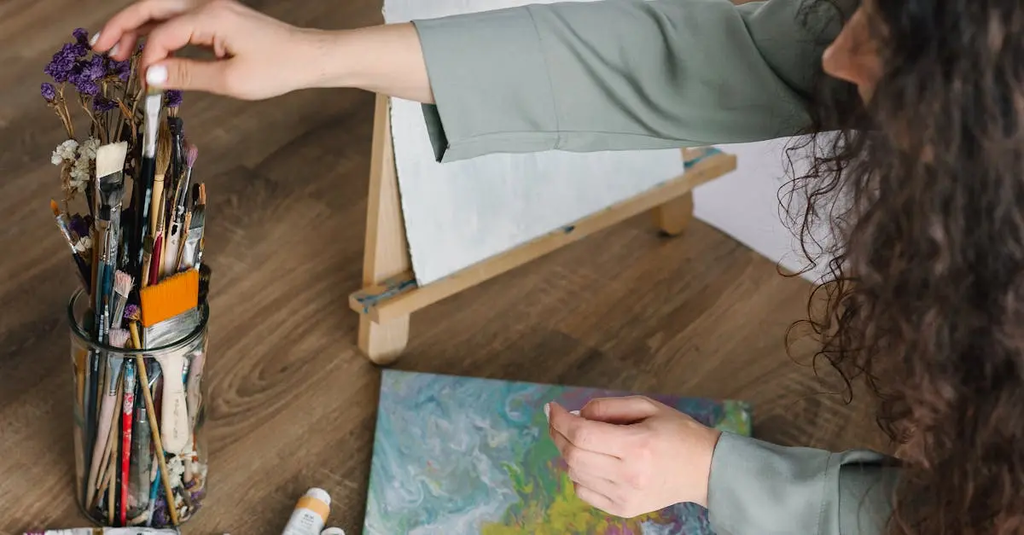
Abstract painting strategies refer to the various techniques and approaches artists use to create non-representational art. These strategies may include experimenting with color, texture, form, and composition to evoke emotions or concepts rather than depicting recognizable subjects. Artists might use spontaneous brushstrokes, layering, dripping, or geometric shapes to achieve their desired effect. The focus is often on personal expression, visual impact, and the exploration of materials and artistic processes.
Abstract Painting Strategies
Abstract painting strategies refer to the various techniques and approaches artists use to create non-representational art. These strategies may include experimenting with color, texture, form, and composition to evoke emotions or concepts rather than depicting recognizable subjects. Artists might use spontaneous brushstrokes, layering, dripping, or geometric shapes to achieve their desired effect. The focus is often on personal expression, visual impact, and the exploration of materials and artistic processes.
💡 Key Takeaways
- Understand how color theory and palette choices shape mood and meaning in abstract painting.
- Explore texture, gesture, and mark-making techniques to build depth without depicting recognizable subjects.
- Learn composition strategies for abstract works, including balance, rhythm, and negative space.
- Discover process-driven approaches—layering, experimentation, and iteration—to evoke concepts and emotions.
❓ Frequently Asked Questions
What is abstract painting?
A non-representational art form that uses color, texture, form, and composition to express ideas or emotions rather than depict recognizable objects.
What are some common strategies in abstract painting?
Experimenting with color relationships, creating texture through layering or tools, exploring form and line, and arranging composition to balance or energize the artwork.
How does color influence mood in abstract work?
Color choices can evoke feelings—warm tones feel energetic, cool tones feel calm, high contrast adds drama, and subtle hues create nuance.
What is the role of texture in abstract painting?
Texture adds depth and interest by varying paint thickness, using tools, or incorporating mixed media to create tactile surfaces and light interaction.
How should composition be approached in abstract paintings?
Consider balance, focal points, movement, and negative space to guide the viewer and create harmony or tension.