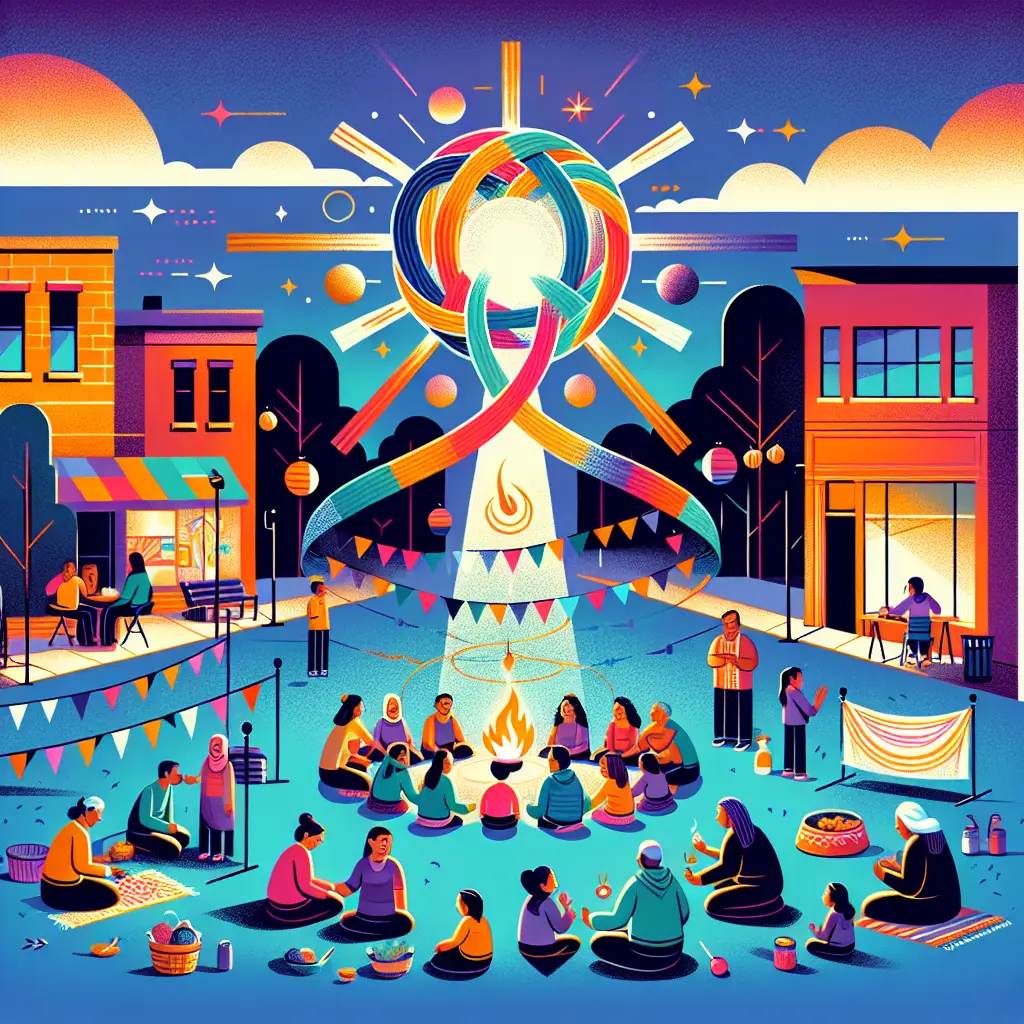
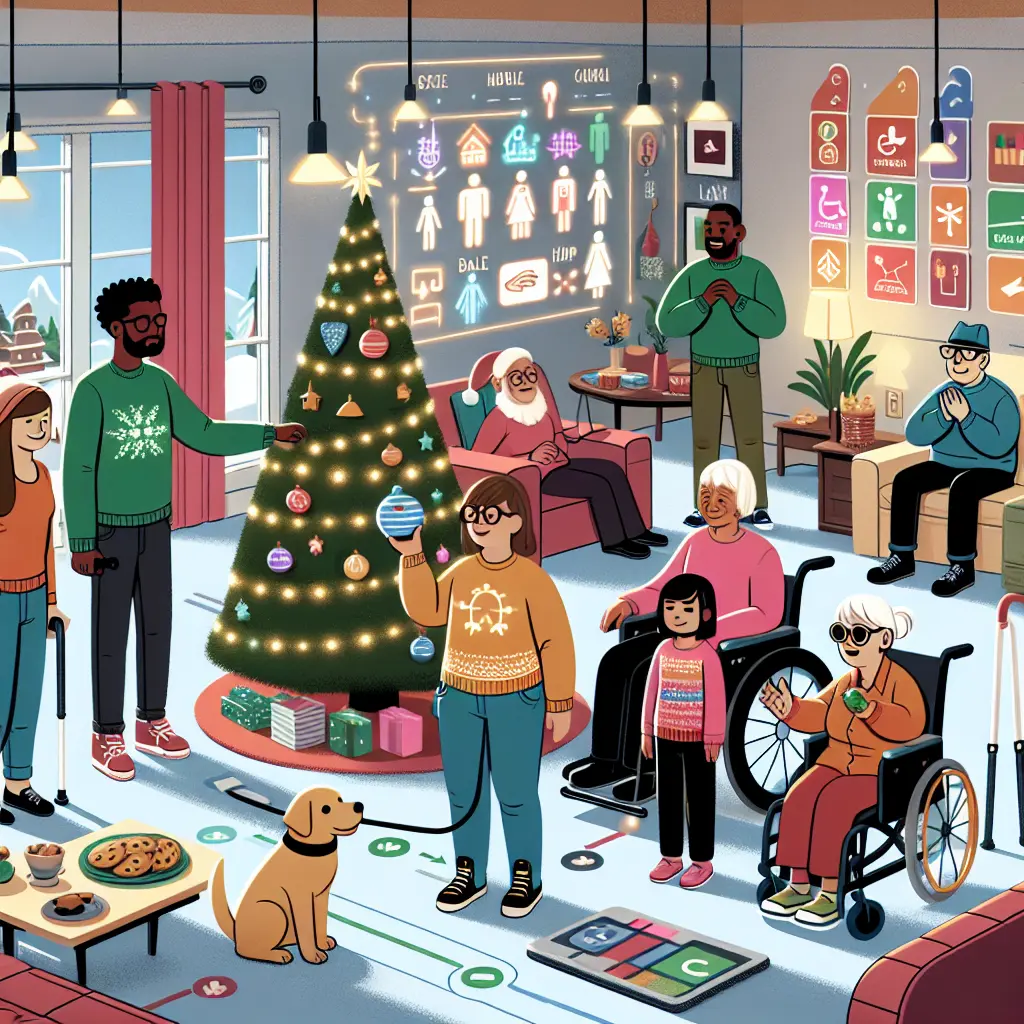
Accessibility & Inclusive Holiday Design refers to creating holiday experiences, environments, and activities that are welcoming and usable for everyone, regardless of physical abilities, age, or background. This approach ensures that all individuals, including those with disabilities or special needs, can participate fully in holiday celebrations. It involves thoughtful planning, such as accessible venues, sensory-friendly options, and inclusive decorations, fostering a sense of belonging and joy for all participants.
Accessibility & Inclusive Holiday Design
Accessibility & Inclusive Holiday Design refers to creating holiday experiences, environments, and activities that are welcoming and usable for everyone, regardless of physical abilities, age, or background. This approach ensures that all individuals, including those with disabilities or special needs, can participate fully in holiday celebrations. It involves thoughtful planning, such as accessible venues, sensory-friendly options, and inclusive decorations, fostering a sense of belonging and joy for all participants.
💡 Key Takeaways
- Learn the core principles of accessibility and inclusive design for festivals and holidays.
- Identify common barriers (physical, sensory, cognitive, language) and practical ways to remove them.
- Plan inclusive layouts, facilities, signage, and services that work for everyone.
- Design accessible programs and activities (captions, sign language, sensory-friendly options, dietary considerations) and collect feedback.
❓ Frequently Asked Questions
What does accessibility mean in holiday design?
Designing holiday spaces and activities so everyone can participate safely and with dignity, regardless of mobility, vision, hearing, age, or background.
What is inclusive design?
An approach that considers diverse needs from the start, using universal design principles to make environments and experiences usable by most people.
Why is accessibility important for festivals and special days?
It ensures equal access and enjoyment for all attendees, improves safety, and reflects social responsibility.
What are practical ways to make a holiday event more accessible?
Provide barrier-free routes, ramps/elevators, clear high-contrast signage, captions or sign language options, quiet spaces, accessible information formats, trained staff, and flexible scheduling.