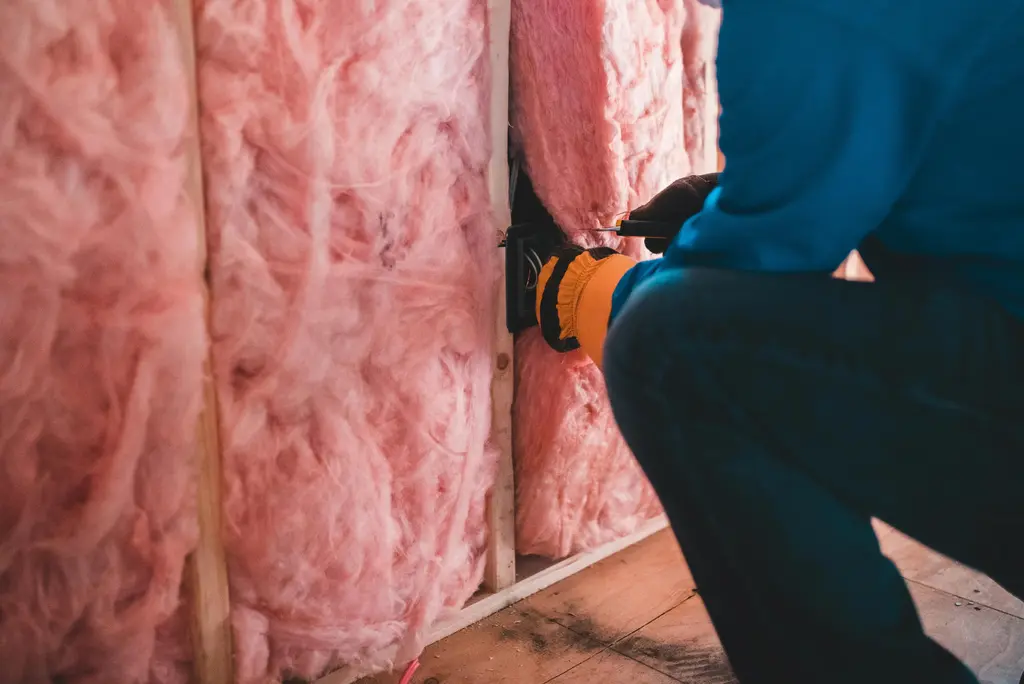
Acoustic treatment and soundproofing are techniques used to improve the sound quality and control noise within a space. Acoustic treatment involves using materials like panels, diffusers, and bass traps to manage sound reflections and reduce echo, enhancing audio clarity. Soundproofing, on the other hand, focuses on preventing sound from entering or leaving a room by adding barriers, insulation, or sealing gaps, ensuring privacy and minimizing external noise disturbances.
Acoustic Treatment & Soundproofing
Acoustic treatment and soundproofing are techniques used to improve the sound quality and control noise within a space. Acoustic treatment involves using materials like panels, diffusers, and bass traps to manage sound reflections and reduce echo, enhancing audio clarity. Soundproofing, on the other hand, focuses on preventing sound from entering or leaving a room by adding barriers, insulation, or sealing gaps, ensuring privacy and minimizing external noise disturbances.

💡 Key Takeaways
- Understand the difference between acoustic treatment and soundproofing and their goals
- Identify common treatment components (panels, diffusers, bass traps) and how they affect sound
- Learn how to place treatments to reduce reflections and echo for clearer audio
- Grasp basic room acoustics concepts and noise isolation in a home setting
❓ Frequently Asked Questions
What is the difference between acoustic treatment and soundproofing?
Acoustic treatment improves inside-room sound by absorbing or diffusing reflections to reduce echo and improve clarity; soundproofing blocks sound from entering or leaving a space with barriers, mass, and sealing.
What are the main components of acoustic treatment and what do they do?
Absorption panels reduce mid/high-frequency reflections; bass traps control low-frequency buildup in corners; diffusers scatter sound to maintain spaciousness without dulling the room.
Where should I place acoustic treatment for the best results?
Place absorbers at primary reflection points on walls and ceiling, install bass traps in room corners, and add diffusers to smooth late reflections. Avoid over-treating every surface.
How do I know if I need soundproofing instead of just acoustic treatment?
If you need to prevent sound from leaking in or out (recording, practice, neighbor noise), you need soundproofing. If your goal is better listening quality inside the room, treatment is enough.