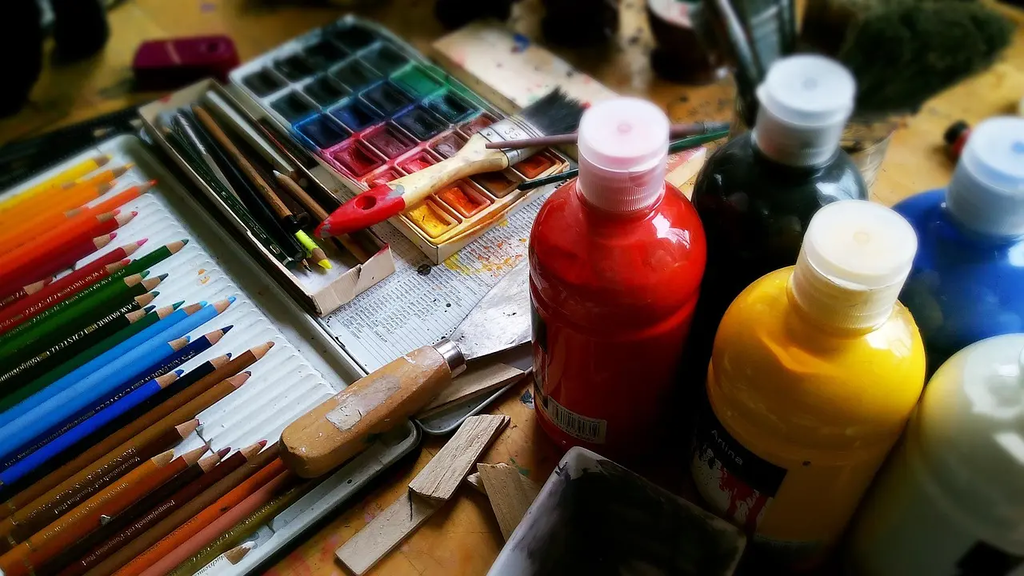
Acrylic painting basics involve understanding the use of fast-drying, water-based acrylic paints. Beginners learn how to select appropriate brushes, surfaces, and colors. Techniques include blending, layering, and creating textures. Acrylics are versatile, allowing artists to mimic watercolor or oil effects. Proper preparation, such as priming canvas and cleaning tools, is essential. Mastery of these fundamentals enables artists to explore creativity and develop their unique painting style.
Acrylic Painting Basics
Acrylic painting basics involve understanding the use of fast-drying, water-based acrylic paints. Beginners learn how to select appropriate brushes, surfaces, and colors. Techniques include blending, layering, and creating textures. Acrylics are versatile, allowing artists to mimic watercolor or oil effects. Proper preparation, such as priming canvas and cleaning tools, is essential. Mastery of these fundamentals enables artists to explore creativity and develop their unique painting style.
💡 Key Takeaways
- Understand the basic properties of acrylic paints, including their fast-drying, water-based nature.
- Learn how to select appropriate brushes, surfaces, and color palettes for acrylic painting.
- Practice essential techniques like blending colors, layering strokes, and building textures.
- Discover how acrylics can mimic watercolor washes or oil-like finishes.
- Get tips for managing drying times and preventing muddiness when layering.
❓ Frequently Asked Questions
What are acrylic paints and what makes them special?
Acrylics are water-based paints that dry quickly to a flexible, permanent film. They clean up with water and can be thinned for washes or built up for opaque coverage, with varying levels of transparency.
How should beginners choose brushes and painting surfaces for acrylics?
Use synthetic brushes (nylon/taklon) in shapes like flat, round, or filbert. Surfaces can be primed canvas, acrylic paper, or wood panels; prime unprimed surfaces with gesso to improve grip and prevent soaking.
What are some basic blending and layering techniques with acrylics?
Blend colors while wet for smooth transitions; apply thin glaze layers over dried paint to build depth; let each layer dry before adding another to avoid muddiness.
How can acrylics mimic watercolor or oil painting?
Watercolor look: dilute with water for transparent washes. Oil look: use heavier body acrylics or a slow-drying medium to extend open time and blend; you can also use glazes or impasto to add texture.
How can you manage drying time and prevent common issues?
Use a retarder/open-time medium to extend blending; work in thin layers and let each dry before adding more; keep brushes clean and lids on paints to prevent skinning.