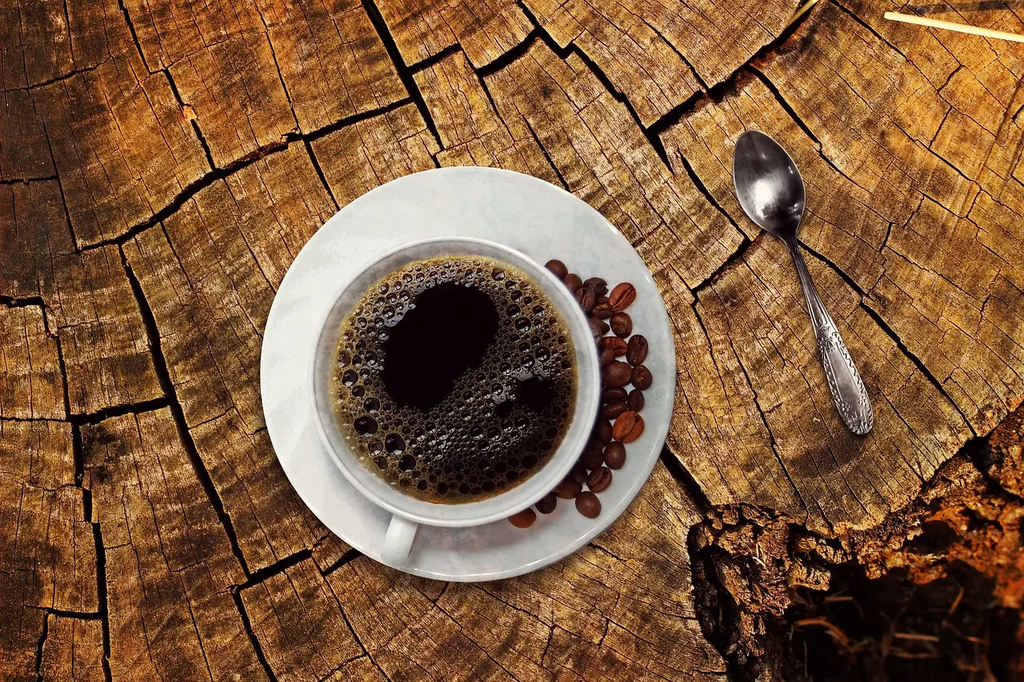
Advanced brewing techniques in coffee and caffeine culture refer to innovative methods and precise processes used to extract the best flavors and aromas from coffee beans. These techniques often involve specialized equipment, controlled variables like water temperature and grind size, and a deep understanding of coffee chemistry. Enthusiasts and professionals alike use these methods to enhance the sensory experience, promote experimentation, and celebrate coffee as both an art and a science within global culture.
Advanced Brewing Techniques
Advanced brewing techniques in coffee and caffeine culture refer to innovative methods and precise processes used to extract the best flavors and aromas from coffee beans. These techniques often involve specialized equipment, controlled variables like water temperature and grind size, and a deep understanding of coffee chemistry. Enthusiasts and professionals alike use these methods to enhance the sensory experience, promote experimentation, and celebrate coffee as both an art and a science within global culture.
💡 Key Takeaways
- Optimize temperature control and mash schedules to maximize flavor, aroma, and body.
- Fine-tune water chemistry and mineral balance to shape bitterness, mouthfeel, and clarity.
- Control fermentation with yeast management and timing to achieve cleaner profiles and desired ester flavors.
- Apply advanced hopping techniques, including late additions and dry hopping, to balance aroma and bitterness.
❓ Frequently Asked Questions
What is decoction mashing, and when is it typically used in brewing?
A decoction mash involves removing a portion of the thick mash, boiling it, and returning it to the main mash to raise temperature. It enhances malt character and body and is traditional in some German styles; it requires additional time and careful temperature control.
How do mash temperatures affect fermentability and mouthfeel?
Lower mash temps (around 62–65°C) yield more fermentable sugars for a drier beer; higher temps (66–69°C or above) produce more dextrins, giving fuller body. Step mashing can modulate fermentability and mouthfeel.
What is mash pH, and why is it important in brewing?
Mash pH (target roughly 5.2–5.6) influences enzyme activity, extraction efficiency, color, and flavor stability. Small shifts can impact efficiency and taste; adjust with mineral additions or pH-adjusting agents if needed.
What is batch sparging vs fly sparging, and how do they affect efficiency and clarity?
Batch sparging drains the wort once, then sprinkles with water for a second draw—simple and fast but often slightly lower efficiency. Fly sparging continuously adds hot water during lautering for potentially higher efficiency and clearer wort but requires more precise control.