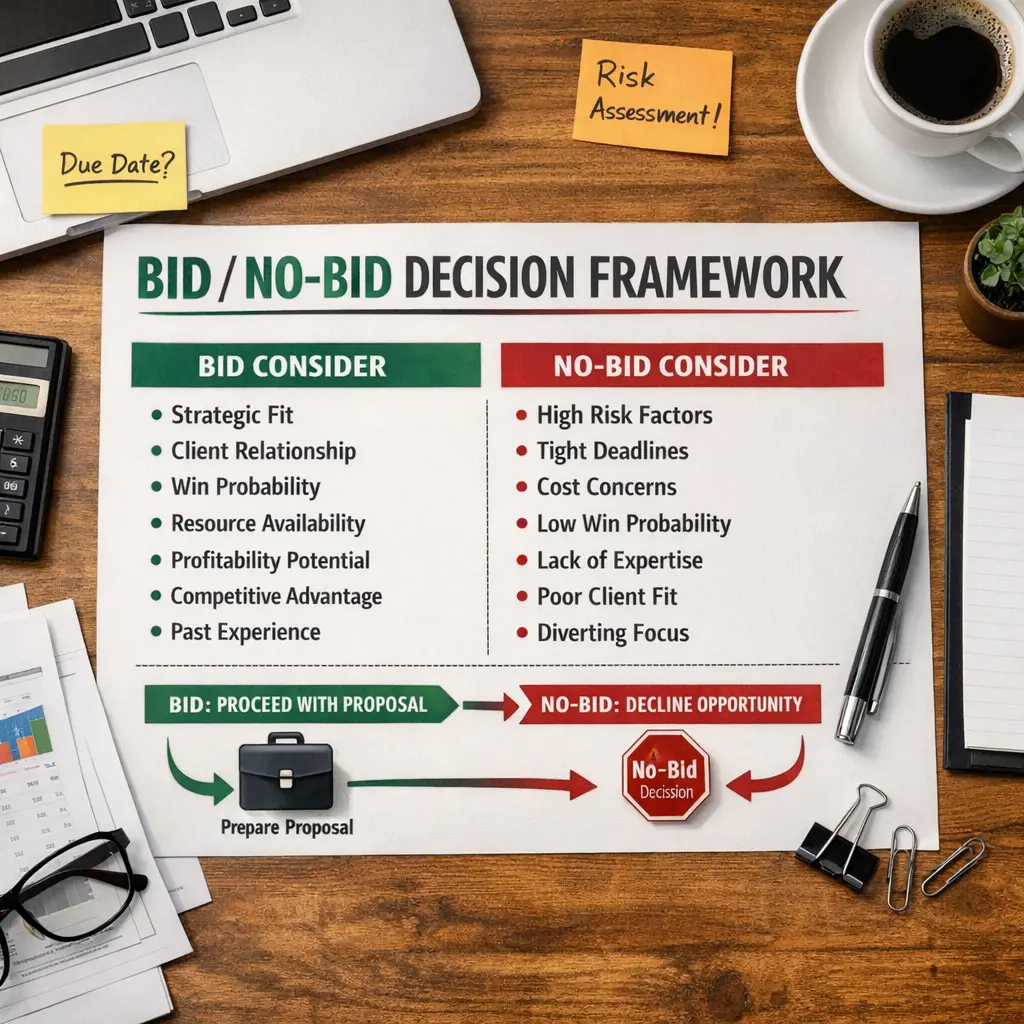
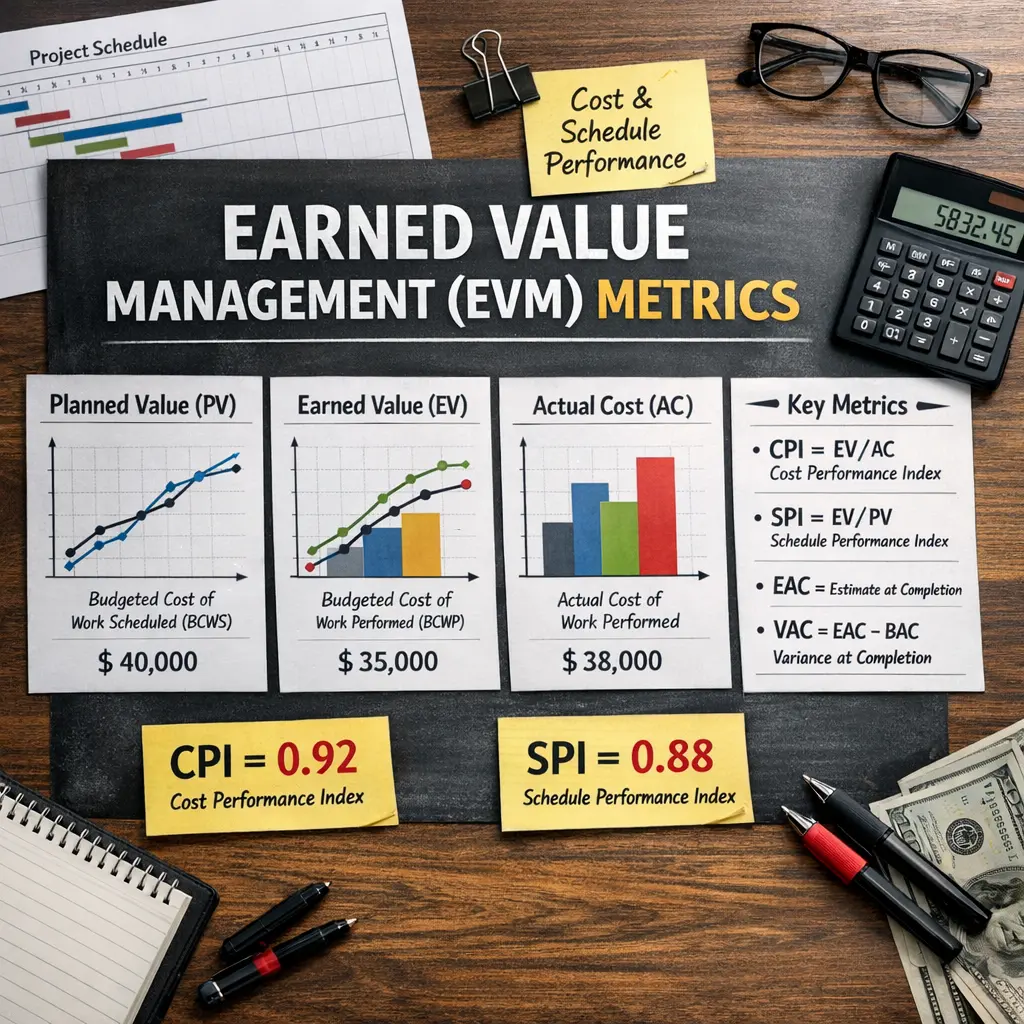
Advanced Cost-to-Deliver in Mega Projects refers to sophisticated strategies and tools used to accurately estimate, monitor, and control the total costs required to complete large-scale projects. This approach integrates financial management and business practices to optimize resource allocation, minimize overruns, and ensure profitability. It involves dynamic forecasting, risk assessment, and real-time data analysis, enabling project managers to make informed decisions and maintain financial discipline throughout the project lifecycle.
Advanced Cost-to-Deliver in Mega Projects
Advanced Cost-to-Deliver in Mega Projects refers to sophisticated strategies and tools used to accurately estimate, monitor, and control the total costs required to complete large-scale projects. This approach integrates financial management and business practices to optimize resource allocation, minimize overruns, and ensure profitability. It involves dynamic forecasting, risk assessment, and real-time data analysis, enabling project managers to make informed decisions and maintain financial discipline throughout the project lifecycle.

💡 Key Takeaways
- Distinguish between upfront capital costs and ongoing life-cycle costs to understand the total cost-to-deliver for mega projects.
- Identify the main drivers of cost overruns in mega projects and apply practical mitigation strategies.
- Use probabilistic forecasting and reference-class techniques to improve cost estimate accuracy for large-scale programs.
- Implement risk-based budgeting and contingency planning to balance cost, schedule, and performance.
❓ Frequently Asked Questions
What is cost-to-deliver (CTD) in mega projects?
CTD is the total expected cost to bring a megaproject to operation, including upfront capital costs, financing charges, contingency, and lifecycle operating and maintenance costs.
What components are typically included in CTD?
CTD includes capital expenditures, construction and commissioning, financing/interest, risk contingency, taxes/fees, and ongoing operating and maintenance costs over the project lifecycle.
How does CTD relate to CAPEX and OPEX?
CTD combines CAPEX ( upfront capital costs ) with OPEX (ongoing operating expenses) and other elements like financing and contingency to reflect the full cost to deliver the project.
What techniques improve CTD accuracy in megaprojects?
Techniques include probabilistic cost estimation (e.g., Monte Carlo), reference-class forecasting, risk-adjusted contingencies, whole-life cost analysis, and scenario planning.
What practices help control CTD in megaprojects?
Clear scope definition, modular design, robust risk management, disciplined change control, strategic procurement, prudent contingency planning, and strong governance.