Advanced Culinary Presentation (Food & Global Flavors) refers to the artful and sophisticated arrangement of dishes that not only highlight technical cooking skills but also celebrate a diverse range of international tastes and ingredients. This approach emphasizes visual appeal, creative plating, and thoughtful composition, ensuring that each dish tells a story through both appearance and flavor, while drawing inspiration from various world cuisines to create a memorable dining experience.
Advanced Culinary Presentation
Advanced Culinary Presentation (Food & Global Flavors) refers to the artful and sophisticated arrangement of dishes that not only highlight technical cooking skills but also celebrate a diverse range of international tastes and ingredients. This approach emphasizes visual appeal, creative plating, and thoughtful composition, ensuring that each dish tells a story through both appearance and flavor, while drawing inspiration from various world cuisines to create a memorable dining experience.
💡 Key Takeaways
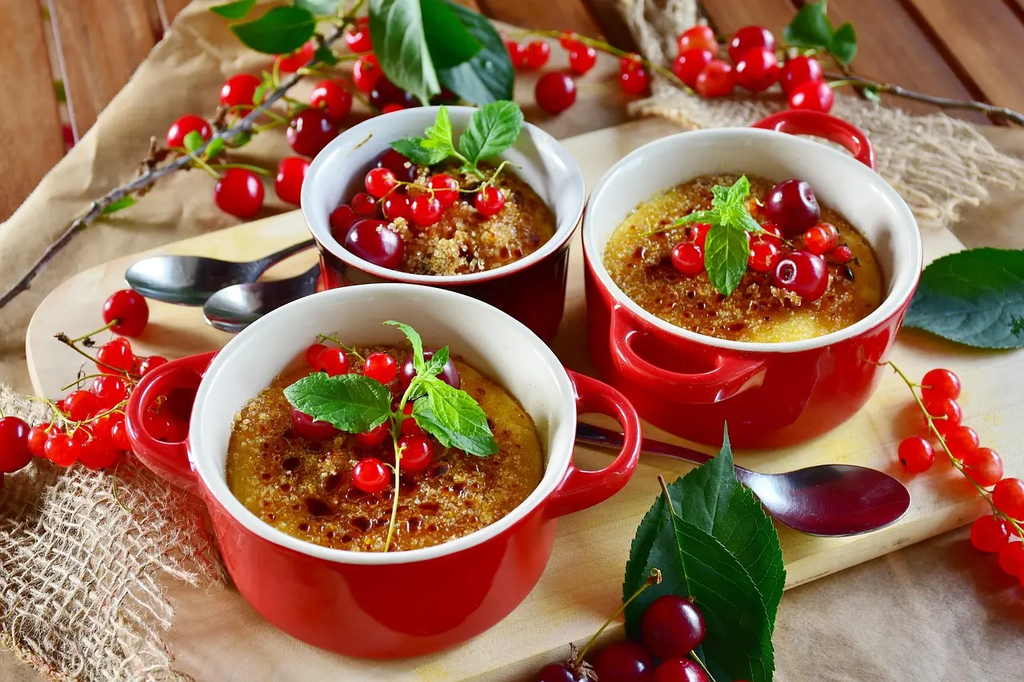
- Master plating fundamentals: color balance, vertical height, and negative space.
- Build texture contrast and tasteful edible garnishes for visual appeal.
- Plan portioning and arrangement for consistent, elegant plating across courses.
- Select plateware, angles, and lighting cues to enhance presentation.
❓ Frequently Asked Questions
What is the goal of advanced culinary presentation?
To enhance the dining experience by combining taste with visual appeal through thoughtful arrangement, color, texture, and balance.
How does color theory influence plating?
Use color relationships (complementary/analogous) to create contrast and highlight ingredients, while avoiding clashing colors and considering how cooking changes natural hues.
What is negative space and why is it important?
The empty area on the plate that frames the food; it creates balance, prevents crowding, and directs focus to the main components.
What are effective ways to use sauces on a plate?
Drizzle, brush, smear, or create dots to add flavor and texture; control portion, temperature, and cleanliness to avoid muddied visuals.
How do height and texture contribute to a visually appealing plate?
Vertical elements and varied textures create interest, while careful layering and alignment with the plate shape enhance balance and elegance.