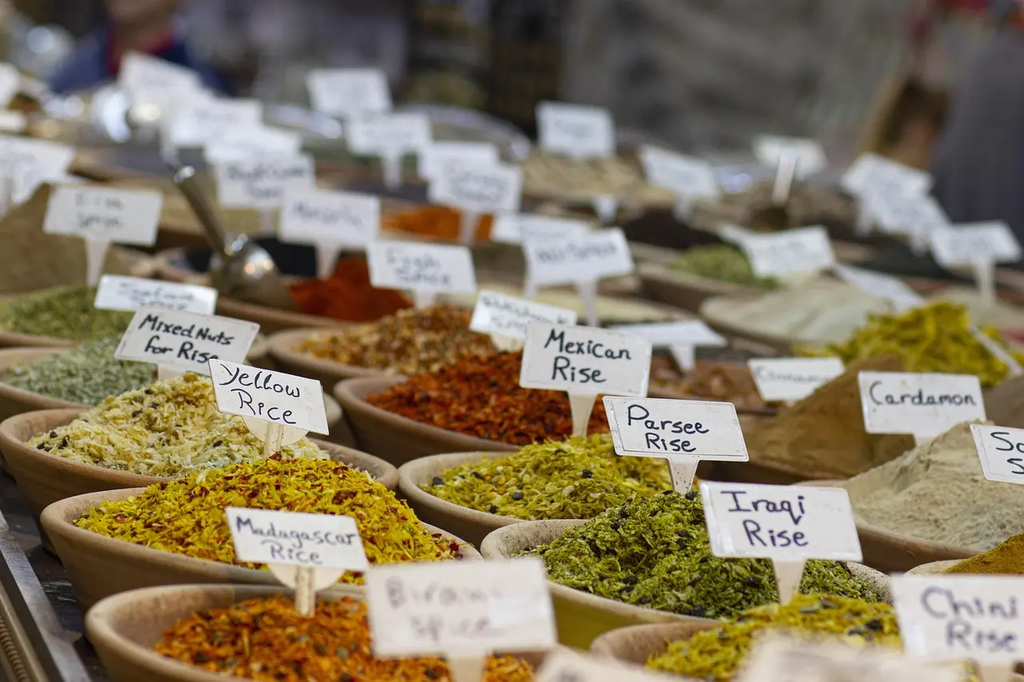
Common ingredients in global cuisines serve as the foundation for diverse culinary traditions, bringing unique flavors and textures to dishes worldwide. Staples like rice, wheat, beans, garlic, onions, and various spices—such as cumin, coriander, and chili—are used across continents. Herbs like cilantro and basil, along with oils, vinegars, and soy sauce, enhance taste and aroma. These ingredients connect cultures, showcasing both local adaptations and shared culinary heritage.
Common Ingredients in Global Cuisines+50
Common ingredients in global cuisines serve as the foundation for diverse culinary traditions, bringing unique flavors and textures to dishes worldwide. Staples like rice, wheat, beans, garlic, onions, and various spices—such as cumin, coriander, and chili—are used across continents. Herbs like cilantro and basil, along with oils, vinegars, and soy sauce, enhance taste and aroma. These ingredients connect cultures, showcasing both local adaptations and shared culinary heritage.
💡 Key Takeaways
- Identify core pantry staples that appear in many global cuisines, such as grains, legumes, dairy, and common vegetables.
- Describe how common flavor bases like garlic, onions, chilies, and herbs shape regional tastes.
- Explain how different fats—olive oil, sesame oil, ghee, butter—affect texture and flavor in dishes.
- Recognize regional variations and practical substitutions when ingredients are not available or for dietary needs.
❓ Frequently Asked Questions
What are some common pantry staples that appear in many global cuisines?
Garlic, onions, salt, cooking oil, tomatoes, rice or wheat-based grains, legumes, and chili peppers are widely used across cuisines.
How do staples differ from regional specialty ingredients?
Staples are broadly used in many cuisines, while regional ingredients are unique to a country or area and shape its distinctive flavors.
Why are spices and aromatics important in global cooking?
Spices and aromatics build flavor foundations and regional profiles, using items like cumin, coriander, turmeric, garlic, onion, ginger, and chili peppers.
How can knowledge of common ingredients help with the quiz?
It helps you recognize likely components in dishes, compare cuisines, and recall recurring ingredients that appear across many questions.