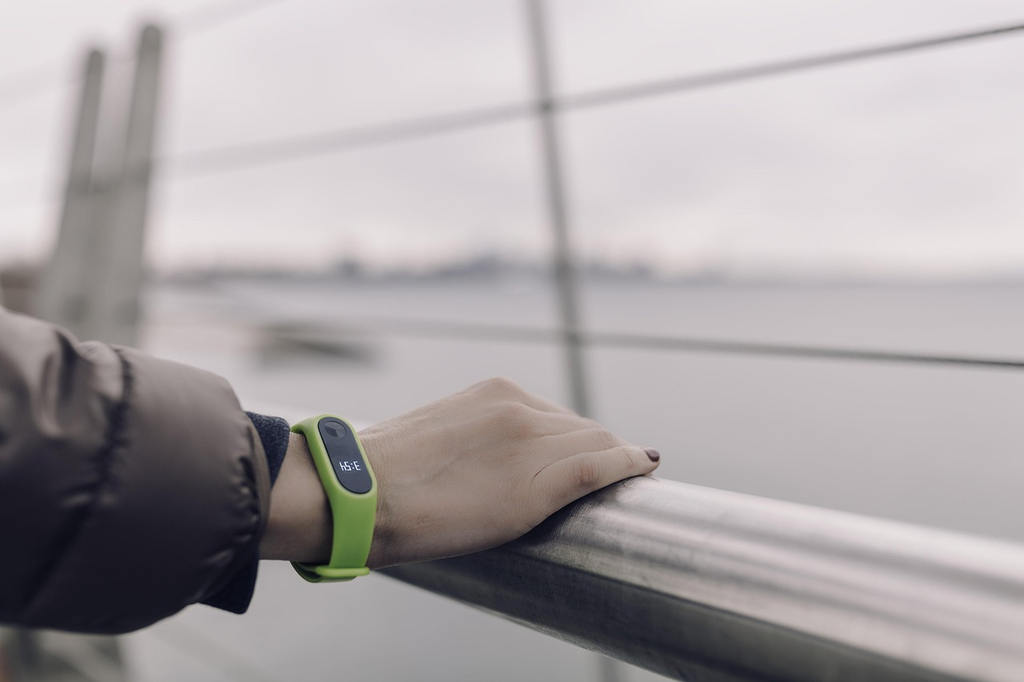
Advanced fitness tracker features include real-time heart rate monitoring, sleep analysis, GPS tracking, and activity recognition. These devices sync with mobile apps to provide personalized health insights, goal setting, and progress tracking. Many also offer stress management tools, guided workouts, and integration with nutrition apps. Popular examples include Fitbit, Apple Health, Samsung Health, and Garmin Connect, each offering unique capabilities to enhance daily wellness and motivate users towards healthier lifestyles.
Advanced Fitness Tracker Features
Advanced fitness tracker features include real-time heart rate monitoring, sleep analysis, GPS tracking, and activity recognition. These devices sync with mobile apps to provide personalized health insights, goal setting, and progress tracking. Many also offer stress management tools, guided workouts, and integration with nutrition apps. Popular examples include Fitbit, Apple Health, Samsung Health, and Garmin Connect, each offering unique capabilities to enhance daily wellness and motivate users towards healthier lifestyles.
💡 Key Takeaways
- Understand advanced metrics (VO2 max, HRV, recovery scores) and what they indicate about fitness and readiness.
- Use GPS, pace, distance, elevation, and cadence data to improve workouts and performance.
- Interpret sleep stages and recovery insights to plan training loads and rest days.
- Set up and interpret training zones and alerts to tailor workouts and maximize device usefulness.
❓ Frequently Asked Questions
What is VO2 max and why is it important in fitness trackers?
VO2 max estimates your aerobic capacity by measuring how much oxygen your body uses during intense exercise; tracking it over time shows cardio improvements.
How does heart rate variability (HRV) inform training decisions?
HRV reflects autonomic nervous system balance; higher HRV generally indicates better recovery, helping you adjust workout intensity and rest days.
What is auto workout detection and how accurate is it?
Auto detection uses sensors to identify activities (e.g., running, cycling) and log them automatically; accuracy varies by activity and wearer and may require manual correction.
What is sleep stage tracking and why does it matter for training?
Sleep tracking analyzes stages (light, deep, REM) to gauge recovery and sleep quality, helping you optimize training load and wake times.