"Advanced Map Features" refers to sophisticated functionalities in mapping applications, such as real-time traffic updates, 3D views, offline navigation, and location sharing. In the context of "App Expert: Guess the Apps & Gadgets We Use Daily," it highlights how everyday apps like Google Maps, Apple Maps, or Waze integrate these features to enhance user experience, making navigation, route planning, and discovering new places more efficient and interactive in daily life.
Advanced Map Features
"Advanced Map Features" refers to sophisticated functionalities in mapping applications, such as real-time traffic updates, 3D views, offline navigation, and location sharing. In the context of "App Expert: Guess the Apps & Gadgets We Use Daily," it highlights how everyday apps like Google Maps, Apple Maps, or Waze integrate these features to enhance user experience, making navigation, route planning, and discovering new places more efficient and interactive in daily life.
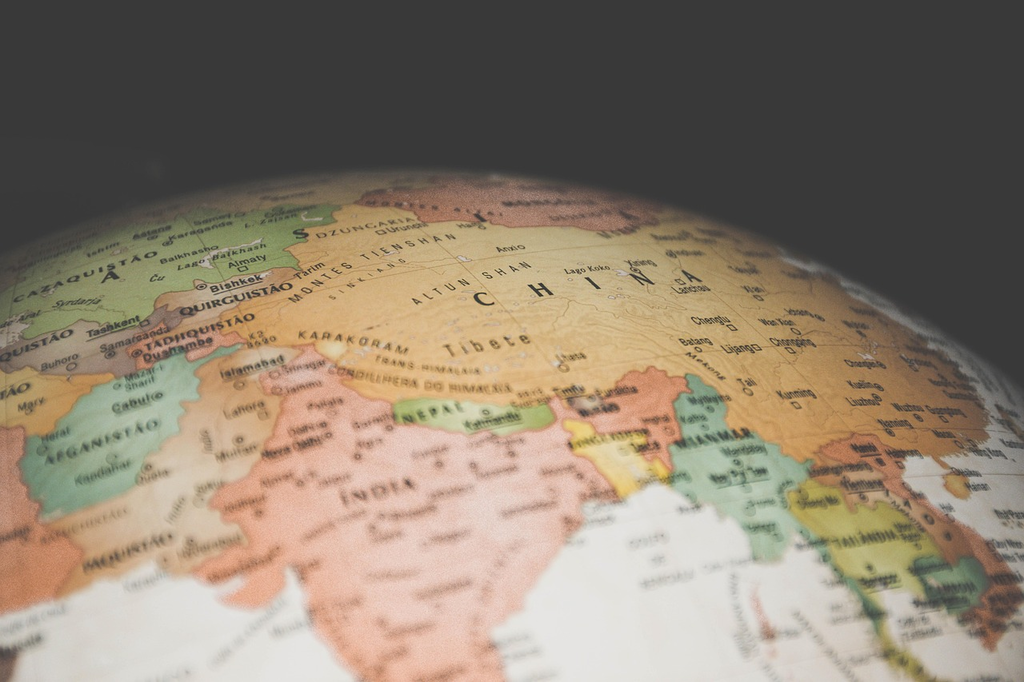
💡 Key Takeaways
- Overlay and manage multiple data layers, including visibility and styling.
- Work with coordinate reference systems, projections, and data transformations.
- Differentiate vector vs. raster data and choose appropriate formats for map features.
- Apply advanced symbolization, labeling, and interactive elements (tooltips, popups) to improve map readability.
❓ Frequently Asked Questions
What is a coordinate reference system (CRS) and why is it important for maps?
A CRS defines how geographic coordinates map to real locations on Earth, combining a datum and a projection. Using the right CRS ensures accurate location, distance, and area measurements for your task.
What are vector tiles and how do they differ from raster tiles?
Vector tiles carry geometry and attributes that are drawn on the client, allowing dynamic styling and crisp rendering at any zoom. Raster tiles are pre-rendered images, loading quickly but with fixed styling.
What is data-driven styling in mapping?
Styling decisions (colors, sizes, symbols) are based on data attributes, enabling visuals like choropleth maps and graduated symbols to highlight patterns and values across features.
What are clustering and heatmap visualizations used for?
Clustering groups nearby points into a single symbol to reduce clutter, revealing density patterns. Heatmaps show areas of high point density, useful for identifying hotspots.