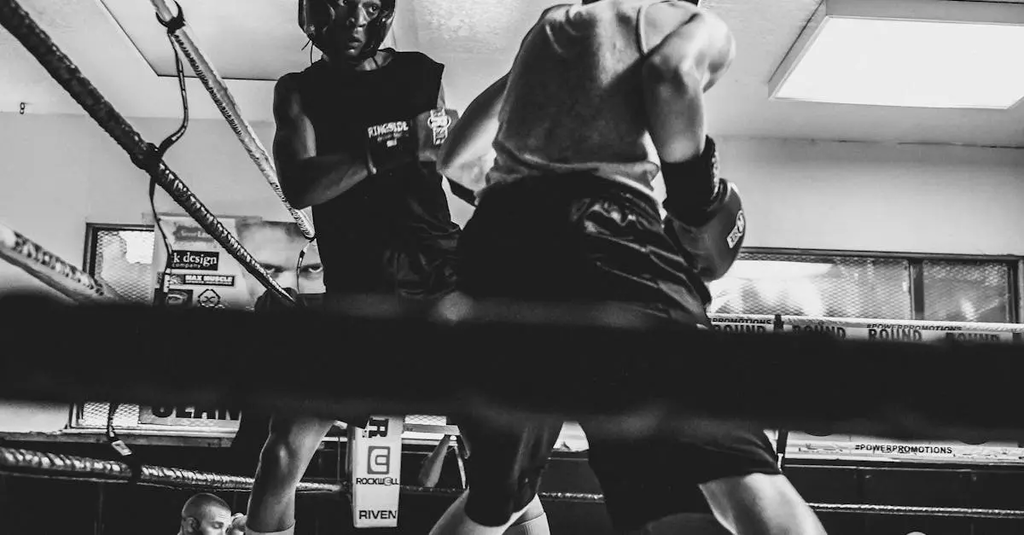
Advanced Game Planning and Opponent Profiling involves creating detailed strategies before a competition by analyzing opponents’ strengths, weaknesses, and tendencies. This process uses data, video analysis, and scouting reports to anticipate opponents' tactics and adapt one's own approach accordingly. By thoroughly understanding opponents and preparing targeted game plans, teams or individuals can gain a strategic advantage, improve decision-making, and increase their chances of success during actual gameplay.
Advanced Game Planning and Opponent Profiling
Advanced Game Planning and Opponent Profiling involves creating detailed strategies before a competition by analyzing opponents’ strengths, weaknesses, and tendencies. This process uses data, video analysis, and scouting reports to anticipate opponents' tactics and adapt one's own approach accordingly. By thoroughly understanding opponents and preparing targeted game plans, teams or individuals can gain a strategic advantage, improve decision-making, and increase their chances of success during actual gameplay.

💡 Key Takeaways
- Gather and analyze opponent data from video, scouting reports, and past fights to shape your game plan.
- Build a pre-fight profile of the opponent's openings, preferred punches, pace, and defensive tendencies.
- Translate profiling into a structured fight plan with targeted attacks, distance control, and contingency plans.
- Develop in-fight adaptation skills: read cues, adjust tactics, and exploit vulnerabilities as the bout unfolds.
❓ Frequently Asked Questions
What is the goal of advanced game planning and opponent profiling in boxing?
To prepare a fight plan by analyzing an opponent's strengths, weaknesses, and tendencies, so you can anticipate tactics and tailor your approach.
What sources are used to profile an opponent?
Video analysis, scouting reports, and historical fight data to identify patterns in style, pace, defense, and punching.
How does opponent profiling affect training and in-fight decisions?
It guides sparring focus, technique choices, pacing, and when to apply specific tactics to exploit suspected weaknesses.
Why is adaptability important during a fight after profiling?
Because opponents can change tactics; staying adaptable lets you adjust plans in real time to control the fight and seize openings.