Advanced Haircutting & Barbering refers to specialized techniques and skills beyond basic hair cutting and grooming. It encompasses creative styles, precision cutting, fades, texturizing, and modern barbering methods. Professionals in this field master the use of various tools, understand hair types, and stay updated with current trends. This expertise allows them to deliver customized looks, enhance clients’ appearances, and provide high-quality barbering and hairstyling services in a competitive industry.
Advanced Haircutting & Barbering
Advanced Haircutting & Barbering refers to specialized techniques and skills beyond basic hair cutting and grooming. It encompasses creative styles, precision cutting, fades, texturizing, and modern barbering methods. Professionals in this field master the use of various tools, understand hair types, and stay updated with current trends. This expertise allows them to deliver customized looks, enhance clients’ appearances, and provide high-quality barbering and hairstyling services in a competitive industry.
💡 Key Takeaways
- Master advanced haircutting techniques, including precision cuts, fades, and texturizing, for diverse hair types.
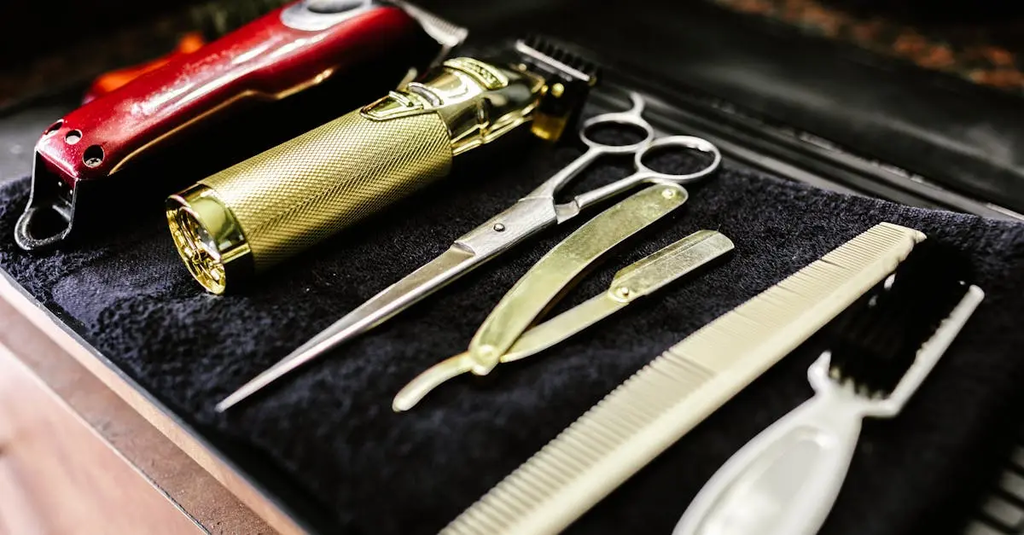
- Develop proficiency with barbering tools (clippers, trimmers, shears, razors) and safety practices across different textures.
- Learn to assess hair type, density, curl pattern, and growth direction to tailor cuts and improve longevity.
- Explore modern barbering methods and finishing techniques to deliver polished, salon-worthy results.
❓ Frequently Asked Questions
What is a fade in barbering, and what are common levels?
A fade is a seamless transition from very short to longer hair. Common levels include low, mid, and high fades, achieved by blending different clipper guard lengths and precise technique.
Which tools are essential for advanced haircutting and fades?
Clippers with guards, thinning or texturizing scissors, barber combs, and optionally a straight razor; use clipper-over-comb and maintain cleanliness throughout.
How does hair type affect advanced cutting techniques?
Hair type influences tension, lift, and blending. Straight hair holds lines well; wavy, curly, or coily hair requires different angles and more careful blending to avoid harsh edges or frizz.
What is texturizing and why is it used in modern barbering?
Texturizing reduces bulk, adds movement, and softens edges. It’s done with thinning/scissor-texturizing techniques or razor-cut methods to create a natural, blended finish.
Why is sanitation important in advanced barbering?
Sanitation prevents infections and cross-contamination. Clean and disinfect tools between clients, maintain proper blade sharpness, and follow hygiene practices.