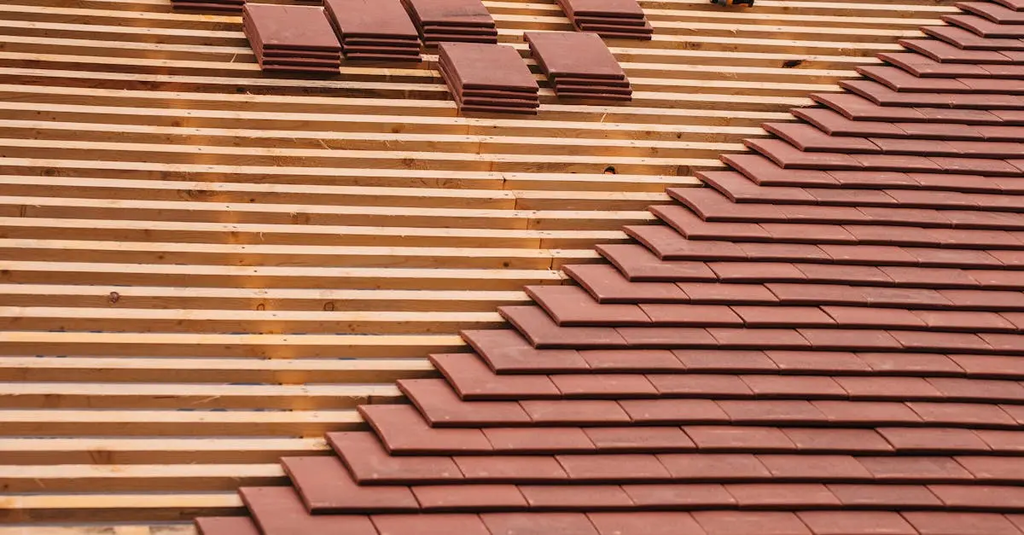
Roof installation and weatherproofing refer to the process of constructing a protective covering on a building and ensuring it is sealed against elements like rain, wind, and snow. This involves laying roofing materials such as shingles, tiles, or metal panels, and applying barriers or coatings to prevent leaks and moisture intrusion. Proper installation and weatherproofing enhance durability, energy efficiency, and safeguard the structure’s interior from weather-related damage.
Roof Installation & Weatherproofing
Roof installation and weatherproofing refer to the process of constructing a protective covering on a building and ensuring it is sealed against elements like rain, wind, and snow. This involves laying roofing materials such as shingles, tiles, or metal panels, and applying barriers or coatings to prevent leaks and moisture intrusion. Proper installation and weatherproofing enhance durability, energy efficiency, and safeguard the structure’s interior from weather-related damage.
💡 Key Takeaways
- Identify suitable roofing materials (shingles, tiles, metal panels) and their ideal applications.
- Explain the main steps of roof installation (surface prep, underlayment, flashing, fasteners, and roofing material) to prevent leaks.
- Describe weatherproofing methods (barriers, coatings, sealants) used to block rain, wind, and snow ingress.
- Recognize essential safety practices and basic building code considerations when working on roofs.
❓ Frequently Asked Questions
What is roof installation?
Roof installation is building a protective roof over a structure, including selecting materials (shingles, tiles, or metal panels) and securing underlayment and flashing to create a weatherproof cover.
What is weatherproofing in roofing?
Weatherproofing is sealing the roof to prevent water, wind, and snow intrusion using underlayment, flashing, sealants, coatings, and proper ventilation.
What is underlayment and why is it important?
Underlayment is a protective layer between the roof deck and final materials that adds an extra leak barrier and helps protect against moisture if the outer layer is damaged.
What are common roofing materials and how do they differ?
Common materials include asphalt shingles, tiles (clay or concrete), and metal panels; they differ in durability, weight, cost, and installation requirements.
What components help keep a roof watertight beyond the panels?
Key components include flashing around edges and joints, ridge caps, vents, sealants, and gutters, along with proper slope and drainage.