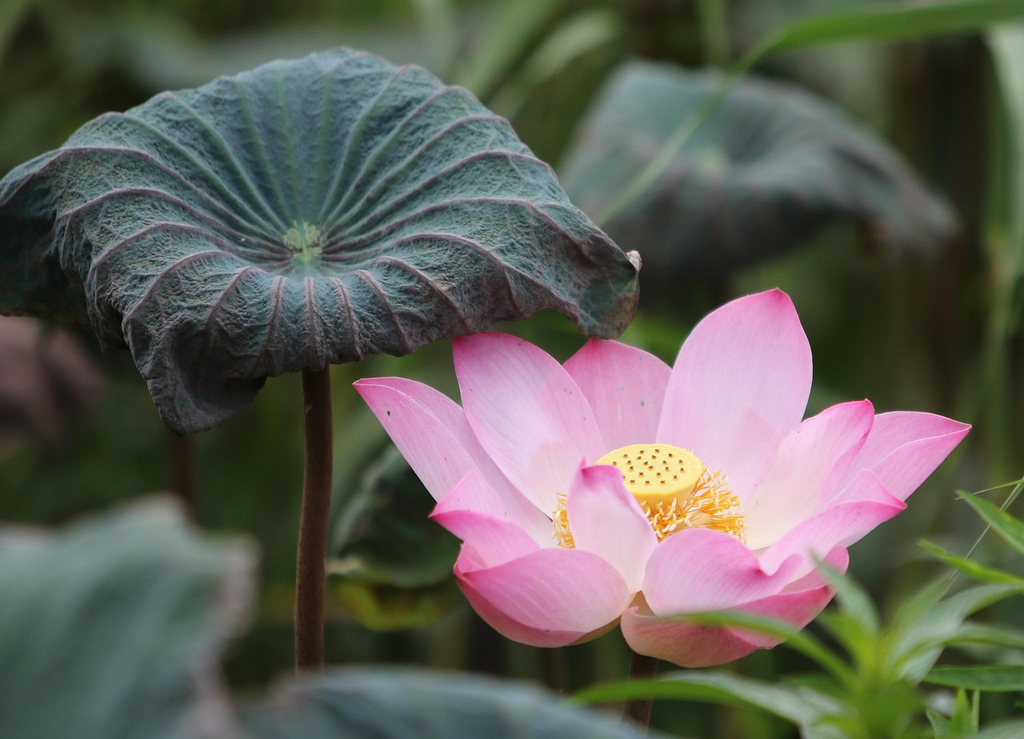
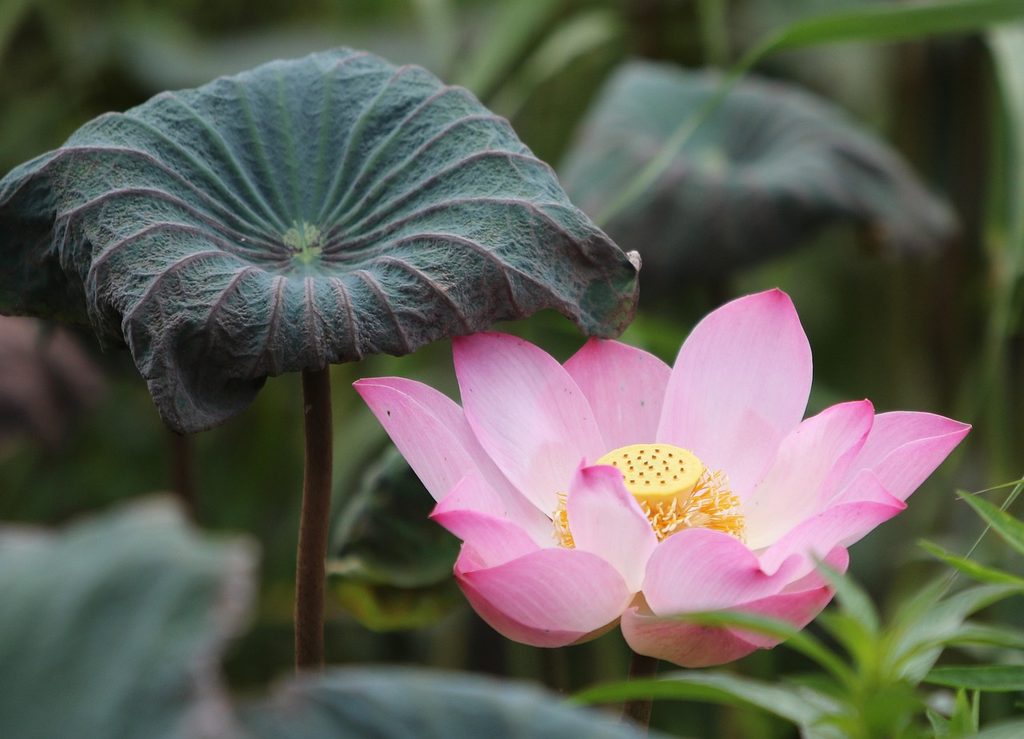
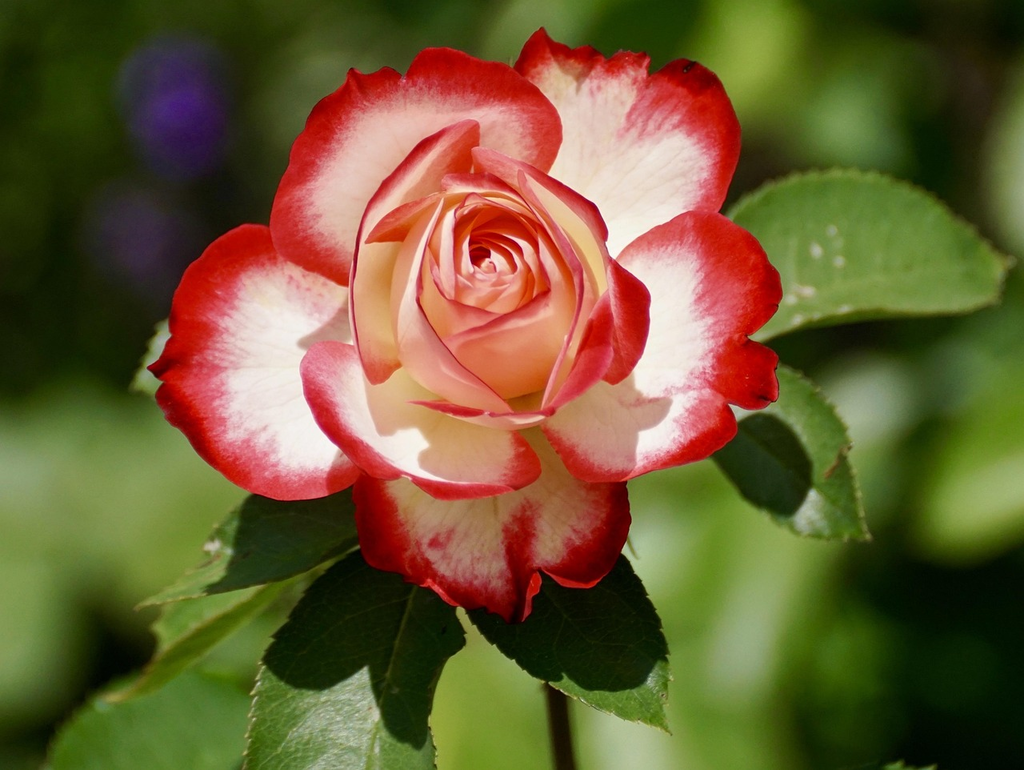
Advanced Lotus Diseases refer to complex or severe health issues affecting lotus flowers, particularly during their blooming phase. These diseases can include fungal, bacterial, or viral infections that cause wilting, discoloration, deformities, or stunted growth in lotuses and sometimes roses. Such conditions not only diminish the aesthetic beauty of the blooms but can also threaten the overall health and survival of the plants, requiring specialized care and treatment for effective management.
Advanced Lotus Diseases
Advanced Lotus Diseases refer to complex or severe health issues affecting lotus flowers, particularly during their blooming phase. These diseases can include fungal, bacterial, or viral infections that cause wilting, discoloration, deformities, or stunted growth in lotuses and sometimes roses. Such conditions not only diminish the aesthetic beauty of the blooms but can also threaten the overall health and survival of the plants, requiring specialized care and treatment for effective management.
💡 Key Takeaways
- Identify and differentiate common lotus diseases (e.g., bacterial blight, fungal leaf spots, and root rot) by symptom patterns on leaves, stems, and rhizomes.
- Explain how lotus disease life cycles and aquatic environmental factors (water quality, temperature, and flooding) influence disease spread and severity.
- Apply advanced diagnostics (visual assessment, microscopy, and laboratory tests such as PCR) to confirm lotus pathogens and distinguish similar diseases.
- Develop an integrated disease management plan for lotus that combines sanitation, crop hygiene, proper water management, resistant varieties, and cautious, resistance-aware use of controls.
❓ Frequently Asked Questions
What does 'Advanced Lotus Diseases' cover?
It refers to diseases affecting lotus plants (Nelumbo nucifera) caused by pathogens or environmental stress, focusing on symptoms, diagnosis, and integrated management in ponds or bog gardens.
What are common lotus disease symptoms to look for?
Watch for leaf spots or blotches, yellowing or wilting, distorted growth, and soft or rotting roots, which indicate disease or stress in lotus plants.
How can I diagnose lotus diseases accurately?
Start with symptom observation, inspect leaves, stems, and roots, and check pond water quality and conditions; compare with nutrient issues and consult local extension services or lab tests if needed.
What are effective ways to manage lotus diseases?
Remove infected plant material, improve water circulation and quality, avoid overcrowding, sanitize tools, and use approved pond-safe treatments as a last resort, following label directions.
How can I prevent lotus diseases from occurring?
Use clean, quarantine new plants; maintain good pond hygiene and drainage; provide proper light and nutrients; monitor regularly and replace or isolate suspect plants to reduce spread.