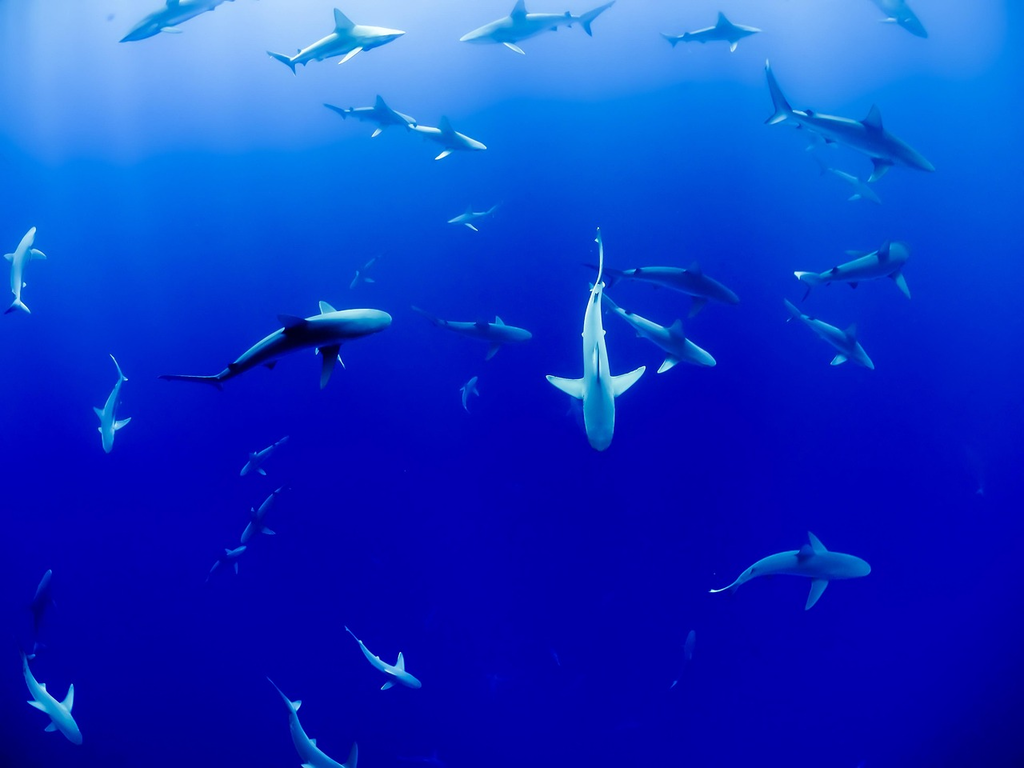
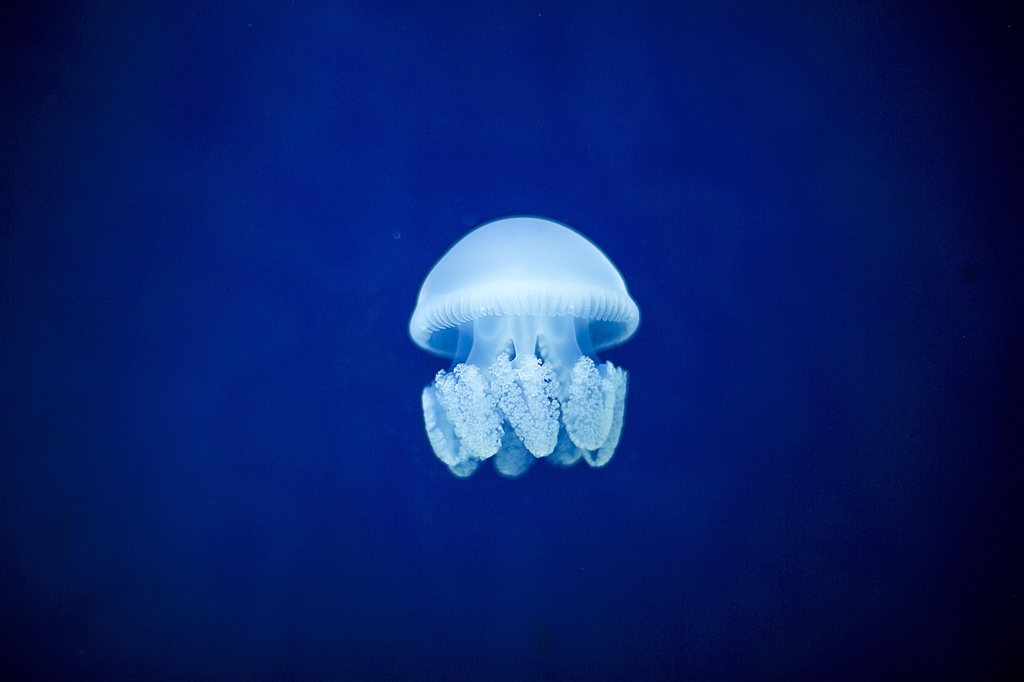
Advanced Marine Ecology (Planet Earth: Oceans & Seas) explores the complex relationships and interactions among marine organisms and their environments. It delves into the dynamics of ocean ecosystems, including food webs, biodiversity, and the impact of physical and chemical factors on marine life. The subject also examines human influences, conservation strategies, and the importance of oceans and seas in maintaining global ecological balance and supporting life on Earth.
Advanced Marine Ecology
Advanced Marine Ecology (Planet Earth: Oceans & Seas) explores the complex relationships and interactions among marine organisms and their environments. It delves into the dynamics of ocean ecosystems, including food webs, biodiversity, and the impact of physical and chemical factors on marine life. The subject also examines human influences, conservation strategies, and the importance of oceans and seas in maintaining global ecological balance and supporting life on Earth.
💡 Key Takeaways
- Explain energy flow in marine food webs and the role of keystone species.
- Describe how climate change, pollution, and overfishing impact marine ecosystems and their resilience.
- Identify major habitats (coral reefs, mangroves, seagrass, estuaries) and their ecological and economic importance.
- Understand key research methods and models used to study advanced marine ecology and inform management.
❓ Frequently Asked Questions
What is advanced marine ecology?
The study of how marine organisms interact with each other and their physical environment in complex, dynamic systems, focusing on energy flow, nutrient cycling, biodiversity, and ecosystem resilience.
What is a keystone species in marine ecosystems?
A species whose presence has a disproportionately large impact on community structure relative to its abundance; its removal can trigger major changes in the ecosystem (e.g., sea otters maintaining kelp forests by controlling urchin populations).
How do ocean currents influence marine productivity and species distribution?
Currents transport heat and nutrients, drive primary production, and determine larval dispersal and habitat suitability. Upwelling and gyres shape where food webs are most productive.
What is ocean acidification and why does it matter for marine life?
Rising CO2 lowers seawater pH and carbonate availability, harming calcifying organisms such as corals and shellfish, with cascading effects on reef structure and marine food webs.