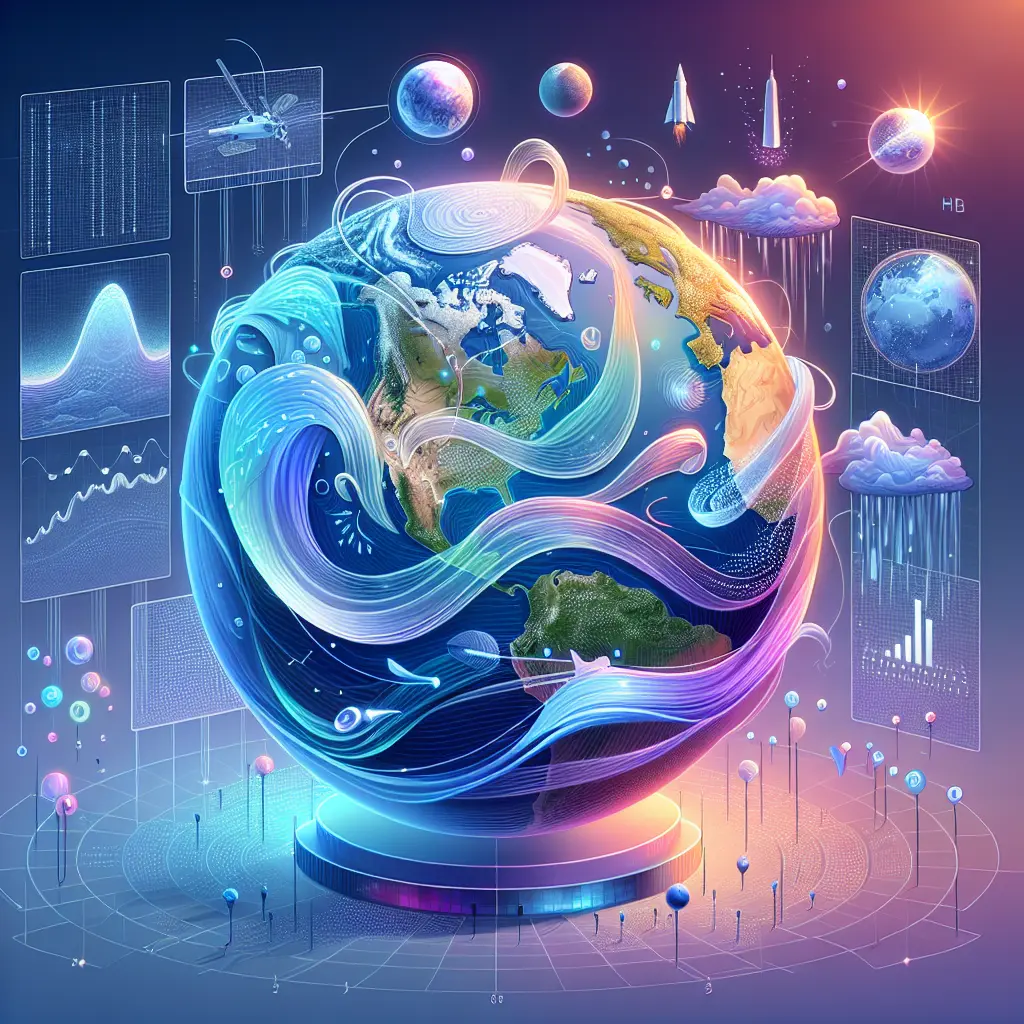
Advanced Plasma Astrophysics & Space Weather explores the behavior and dynamics of ionized gases (plasmas) in space environments, such as stars, interstellar space, and planetary magnetospheres. It examines phenomena like solar flares, magnetic storms, and cosmic radiation, focusing on how these events influence technological systems and life on Earth. This field combines theoretical models, simulations, and observations to predict and mitigate the impacts of space weather on communication, navigation, and power infrastructure.
Advanced Plasma Astrophysics & Space Weather
Advanced Plasma Astrophysics & Space Weather explores the behavior and dynamics of ionized gases (plasmas) in space environments, such as stars, interstellar space, and planetary magnetospheres. It examines phenomena like solar flares, magnetic storms, and cosmic radiation, focusing on how these events influence technological systems and life on Earth. This field combines theoretical models, simulations, and observations to predict and mitigate the impacts of space weather on communication, navigation, and power infrastructure.
💡 Key Takeaways
- Understand the basic properties of plasmas and how magnetized gases behave in space environments such as stars, interstellar space, and planetary magnetospheres.
- Learn how solar activity—flares, coronal mass ejections, and solar wind—drives space weather and impacts planets and spacecraft.
- Explore key processes like magnetic reconnection and particle acceleration that energize plasmas and trigger energetic events.
- Discover how scientists observe, measure, and model plasma phenomena using satellites, ground-based instruments, and computer simulations to forecast space weather.
❓ Frequently Asked Questions
What is plasma and why is it important in space science?
Plasma is ionized gas with free electrons and ions; it is the most common state of matter in the universe and drives magnetic and electric processes in stars, space plasmas, and planetary magnetospheres.
What causes solar flares and how do they affect space weather?
Solar flares are rapid releases of magnetic energy in the Sun's atmosphere that accelerate particles and emit radiation; they can trigger geomagnetic storms and disrupt satellites and communications on Earth.
What is space weather and why is it studied?
Space weather refers to conditions in space driven by the Sun and solar wind, including flares and coronal mass ejections; it can impact satellites, GPS, radio communications, and power grids on Earth.
What is a magnetosphere and how does it respond to solar activity?
A magnetosphere is a planet's magnetic shield that deflects charged particles; during solar storms it can compress, energize radiation belts, and produce auroras.
What is cosmic radiation and why is it important for space travel?
Cosmic radiation consists of high-energy particles from outside the Solar System; it poses health risks to astronauts and can damage spacecraft electronics, with intensity affected by solar activity.