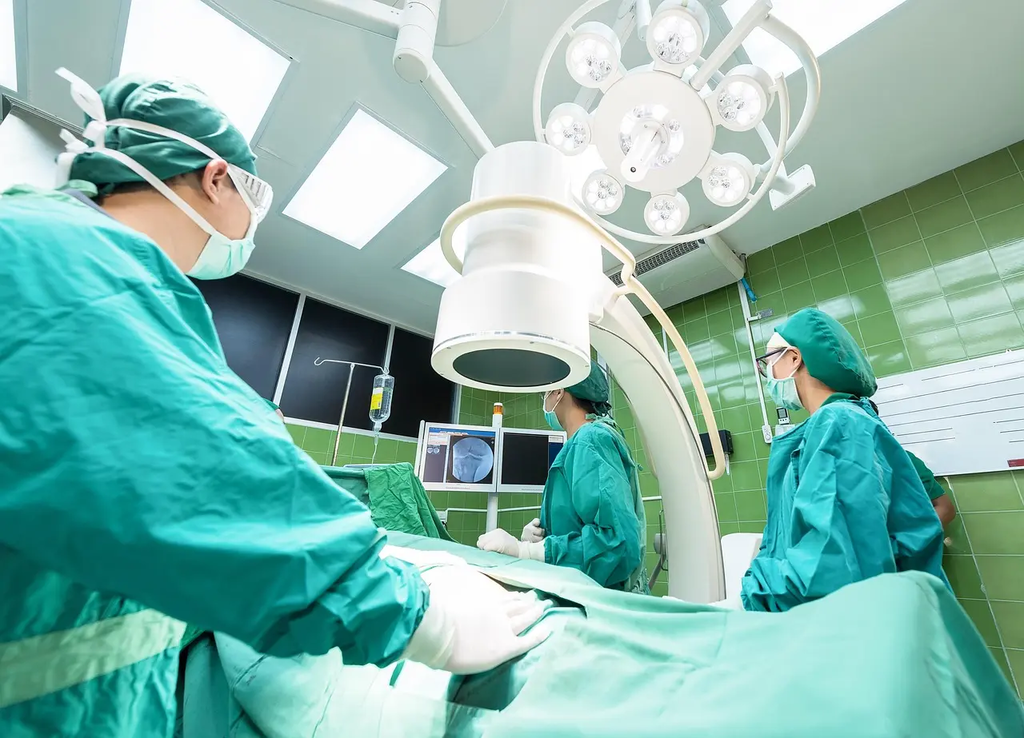
Advanced Telemedicine Operations refer to the integration of sophisticated digital technologies and medical practices to deliver healthcare services remotely. This involves real-time video consultations, remote patient monitoring, electronic health records, and AI-driven diagnostics. These operations enhance patient access to specialized care, streamline clinical workflows, and improve healthcare outcomes. Advanced telemedicine also supports secure data exchange, cross-disciplinary collaboration, and personalized treatment, making healthcare more efficient, accessible, and responsive to patient needs.
Advanced Telemedicine Operations
Advanced Telemedicine Operations refer to the integration of sophisticated digital technologies and medical practices to deliver healthcare services remotely. This involves real-time video consultations, remote patient monitoring, electronic health records, and AI-driven diagnostics. These operations enhance patient access to specialized care, streamline clinical workflows, and improve healthcare outcomes. Advanced telemedicine also supports secure data exchange, cross-disciplinary collaboration, and personalized treatment, making healthcare more efficient, accessible, and responsive to patient needs.
💡 Key Takeaways
- Explain how real-time video consultations fit into remote care workflows.
- Describe remote patient monitoring data collection, transmission, and interpretation.
- Understand how electronic health records integrate with telemedicine for documentation and care continuity.
- Recognize the role and limits of AI-driven diagnostics in telemedicine, including safety, ethics, and accuracy.
❓ Frequently Asked Questions
What is a real-time video consultation in telemedicine?
A live audio-video session between a patient and clinician conducted remotely to perform assessments, discuss care, and make decisions.
What is remote patient monitoring (RPM)?
The use of connected devices (wearables, sensors) to collect health data and transmit it to clinicians for continuous monitoring and timely intervention.
What are electronic health records (EHRs) in telemedicine?
Digital, secure records that store a patient’s history, medications, labs, and care plans, accessible to authorized providers during remote care.
How do AI-driven diagnostics support telemedicine?
AI analyzes patient data (images, vitals, history) to assist with detection, triage, and decision support, complementing clinician judgment.
What are key benefits and common challenges of advanced telemedicine operations?
Benefits include improved access and continuity of care; challenges involve privacy, data security, interoperability, and regulatory/reimbursement considerations.