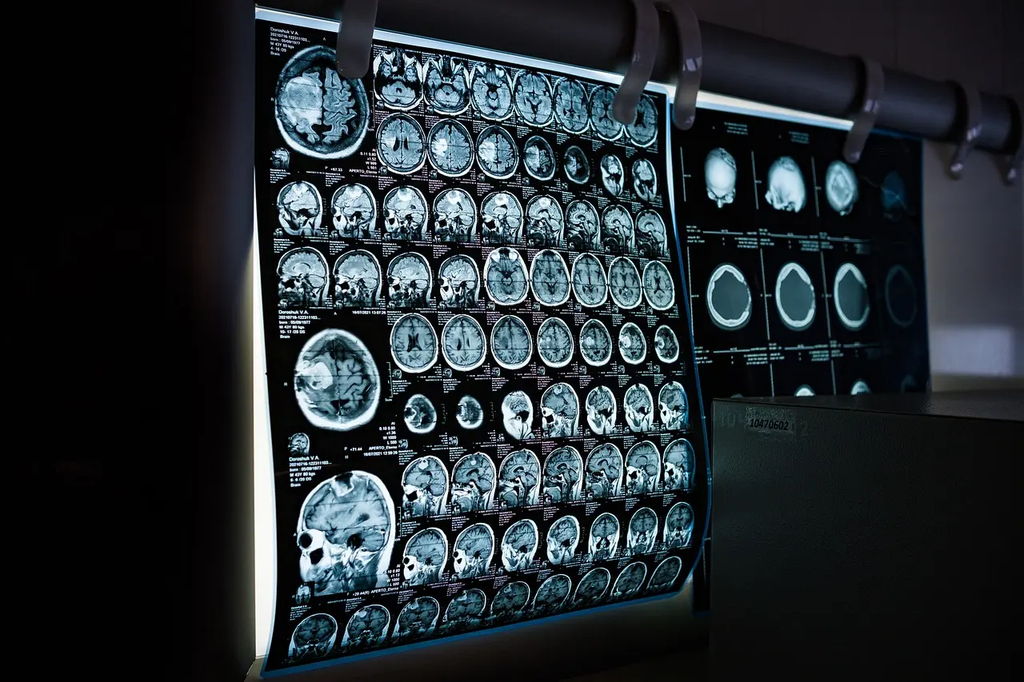
Pathophysiology fundamentals refer to the basic principles that explain how normal physiological processes are altered by disease or injury. This field focuses on understanding the underlying mechanisms that lead to the signs and symptoms of various health conditions. By studying pathophysiology, healthcare professionals can better diagnose, treat, and manage diseases, as it bridges the gap between basic science and clinical practice, highlighting the body’s response to abnormal changes.
Pathophysiology Fundamentals
Pathophysiology fundamentals refer to the basic principles that explain how normal physiological processes are altered by disease or injury. This field focuses on understanding the underlying mechanisms that lead to the signs and symptoms of various health conditions. By studying pathophysiology, healthcare professionals can better diagnose, treat, and manage diseases, as it bridges the gap between basic science and clinical practice, highlighting the body’s response to abnormal changes.
💡 Key Takeaways
- Understand how disease or injury alters normal physiology at the cellular, tissue, and organ levels.
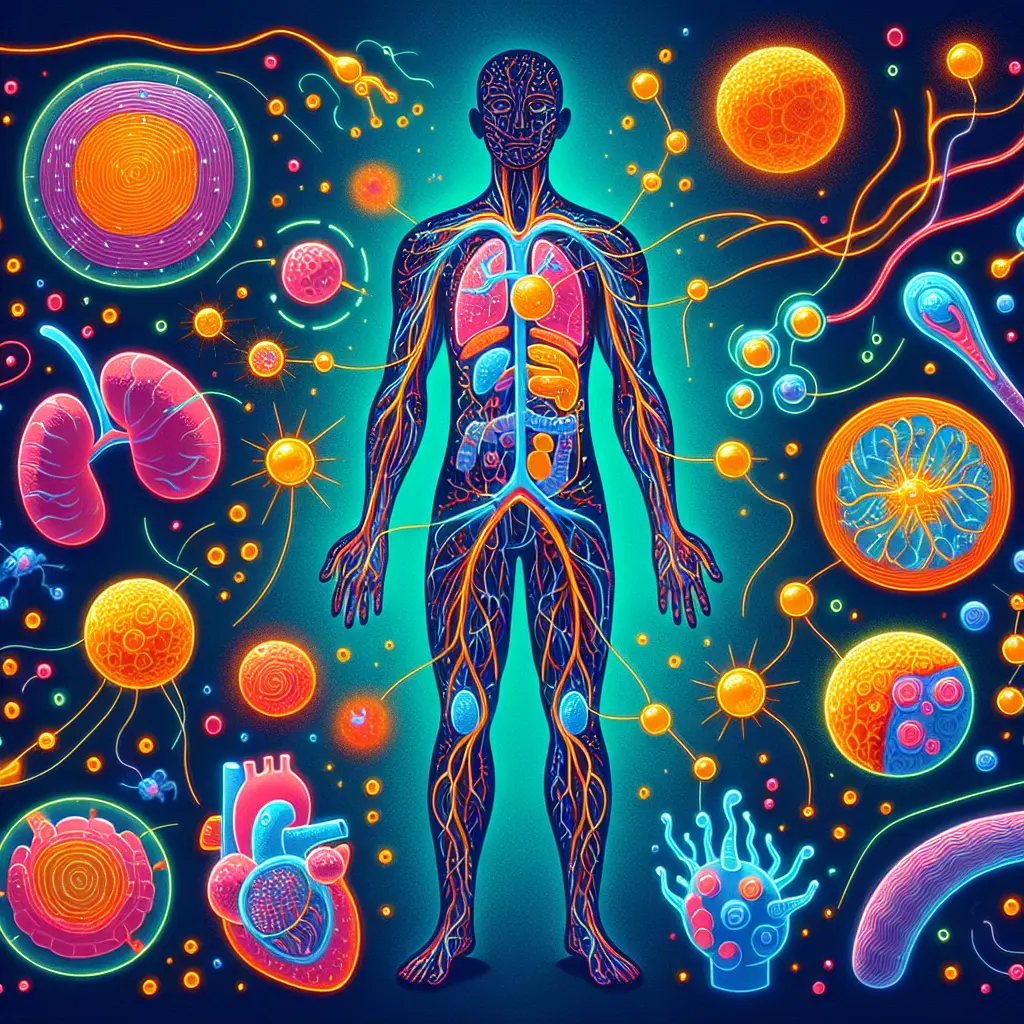
- Identify major pathophysiologic mechanisms (inflammation, cellular injury, perfusion abnormalities, acid-base/electrolyte disturbances) and how they produce signs and symptoms.
- Connect pathophysiology concepts to clinical presentation to support diagnosis, prognosis, and treatment decisions.
- Compare pathophysiology across different disease processes to strengthen clinical reasoning and problem-solving.
❓ Frequently Asked Questions
What is pathophysiology?
Pathophysiology is the study of how disease or injury disrupts normal physiological processes, linking cellular and molecular changes to the signs and symptoms patients experience.
How is pathophysiology different from physiology and pathology?
Physiology explains normal body function; pathology studies disease-related changes; pathophysiology explains how disease alters normal function to produce symptoms.
What are common mechanisms studied in pathophysiology?
Inflammation, tissue hypoxia or ischemia, cellular injury and death, disturbances in fluid/electrolyte and acid-base balance, and immune or hormonal dysregulation.
How does pathophysiology help in clinical practice or quizzes?
It helps interpret symptoms, predict disease progression, identify targetable mechanisms for treatment, and guide diagnostic reasoning.