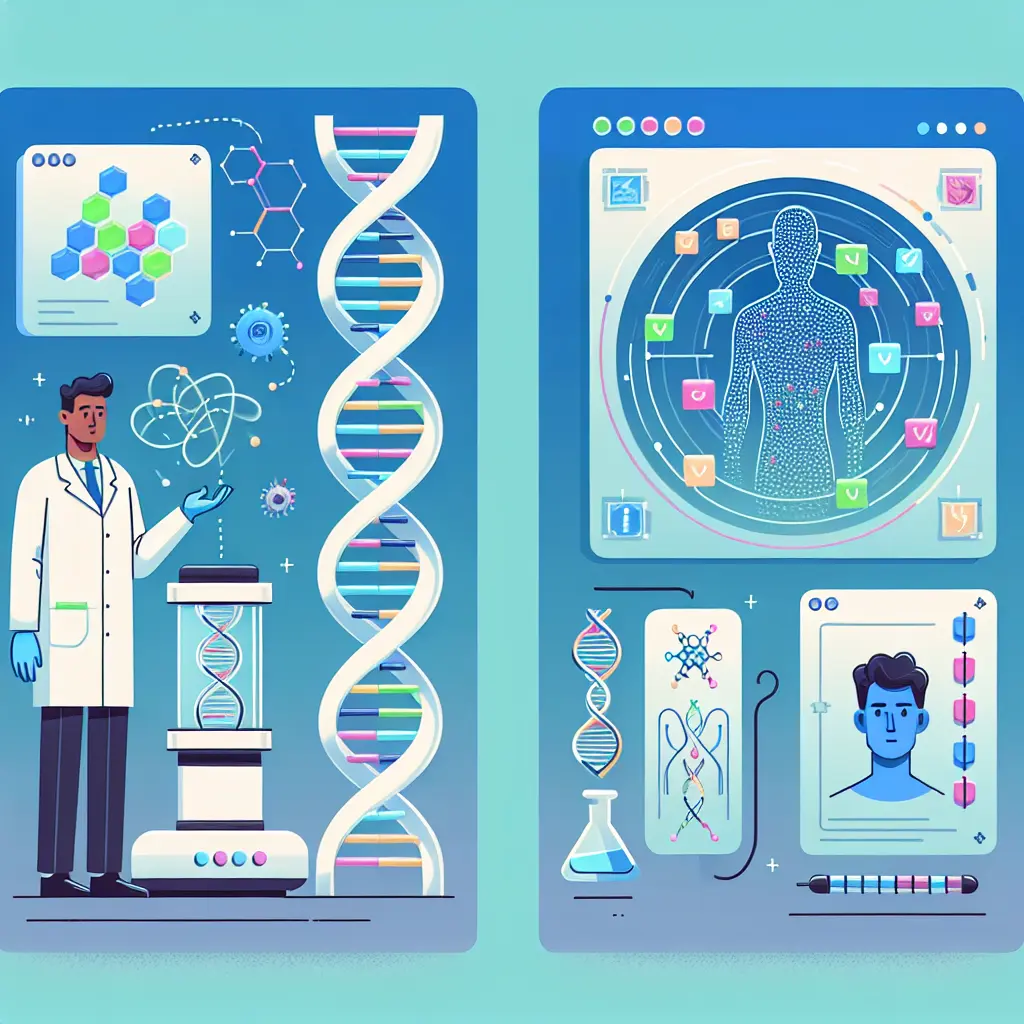
Precision medicine is an innovative approach to healthcare that tailors treatment and prevention strategies to individual genetic, environmental, and lifestyle factors. Genomics basics refer to the study of an organism’s complete set of DNA, including all of its genes. By understanding variations in genes, precision medicine enables more accurate diagnoses, targeted therapies, and personalized care, improving outcomes and reducing side effects compared to traditional, one-size-fits-all medical approaches.
Precision Medicine & Genomics Basics
Precision medicine is an innovative approach to healthcare that tailors treatment and prevention strategies to individual genetic, environmental, and lifestyle factors. Genomics basics refer to the study of an organism’s complete set of DNA, including all of its genes. By understanding variations in genes, precision medicine enables more accurate diagnoses, targeted therapies, and personalized care, improving outcomes and reducing side effects compared to traditional, one-size-fits-all medical approaches.
💡 Key Takeaways
- Define precision medicine and how it personalizes care using genetic, environmental, and lifestyle information.
- Describe genomics basics: genome, genes, and common genetic variations that affect health.
- Explain how genetic information informs drug choice and dosing (pharmacogenomics) and why non-genetic factors matter.
- Identify ethical, privacy, and data-sharing considerations when using genomic data in healthcare.
❓ Frequently Asked Questions
What is precision medicine?
An approach to healthcare that tailors prevention and treatment to an individual’s genetic, environmental, and lifestyle factors.
What does genomics study?
Genomics studies the complete set of a organism’s DNA, including all of its genes, and how variations influence health and disease.
How can genomics influence treatment decisions?
By identifying genetic variants that affect disease risk or drug response, clinicians can select therapies that are more effective and have fewer side effects.
What are common examples of genomics in healthcare?
Pharmacogenomics (how genes affect drug metabolism), genetic risk assessments for diseases, and tumor genomics guiding targeted cancer therapies.