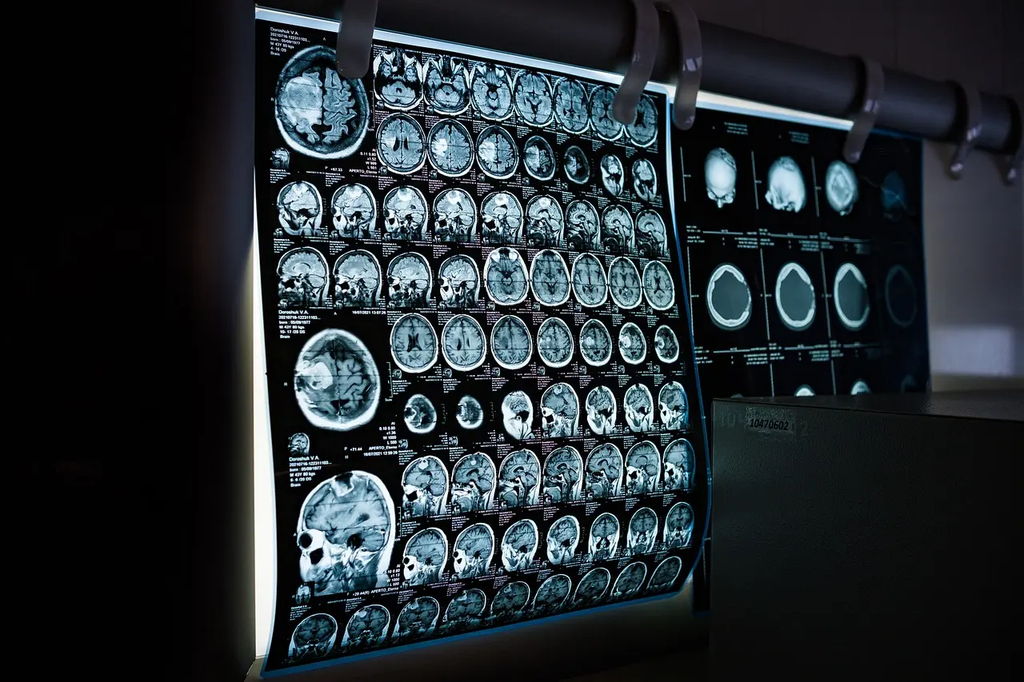
Oncology Fundamentals refers to the essential principles and foundational knowledge of oncology, the branch of medicine focused on the study, diagnosis, treatment, and prevention of cancer. It covers topics such as cancer biology, tumor classification, risk factors, diagnostic techniques, staging, and various treatment modalities including surgery, chemotherapy, radiation, and immunotherapy. Understanding these basics is crucial for healthcare professionals involved in cancer care and research.
Oncology Fundamentals
Oncology Fundamentals refers to the essential principles and foundational knowledge of oncology, the branch of medicine focused on the study, diagnosis, treatment, and prevention of cancer. It covers topics such as cancer biology, tumor classification, risk factors, diagnostic techniques, staging, and various treatment modalities including surgery, chemotherapy, radiation, and immunotherapy. Understanding these basics is crucial for healthcare professionals involved in cancer care and research.

💡 Key Takeaways
- Grasp the core biology of cancer, including uncontrolled cell growth and key genetic changes.
- Recognize how tumors are classified by type, grade, and stage.
- Identify common cancer risk factors and basic prevention strategies.
- Understand the main diagnostic techniques used to detect cancer and determine stage.
❓ Frequently Asked Questions
What is oncology?
Oncology is the medical specialty focused on cancer—its biology, diagnosis, treatment, and prevention.
How are tumors classified?
Tumors are classified as benign or malignant, with further grading and staging based on histology and spread to guide prognosis and treatment.
What is cancer staging (TNM) and why is it important?
Staging describes tumor size/location (T), lymph node involvement (N), and metastasis (M) to determine treatment plans and prognosis.
What are the main cancer treatment options?
Common options include surgery, chemotherapy, radiation therapy, immunotherapy, targeted therapy, and hormone therapy, chosen per cancer type.
What are common cancer risk factors and how can prevention help?
Risk factors include age, genetics, tobacco, alcohol, obesity, infections, and sun exposure; prevention involves screening, vaccination, healthy lifestyle, and reducing exposure.