African Art Histories refers to the diverse and dynamic traditions, practices, and visual cultures that have developed across the African continent over millennia. This field examines a wide range of artistic expressions, including sculpture, painting, textiles, and architecture, within their cultural, historical, and social contexts. It also explores how African art has influenced and been influenced by global interactions, colonialism, and contemporary movements, emphasizing the continent’s rich artistic heritage and innovation.
African Art Histories
African Art Histories refers to the diverse and dynamic traditions, practices, and visual cultures that have developed across the African continent over millennia. This field examines a wide range of artistic expressions, including sculpture, painting, textiles, and architecture, within their cultural, historical, and social contexts. It also explores how African art has influenced and been influenced by global interactions, colonialism, and contemporary movements, emphasizing the continent’s rich artistic heritage and innovation.
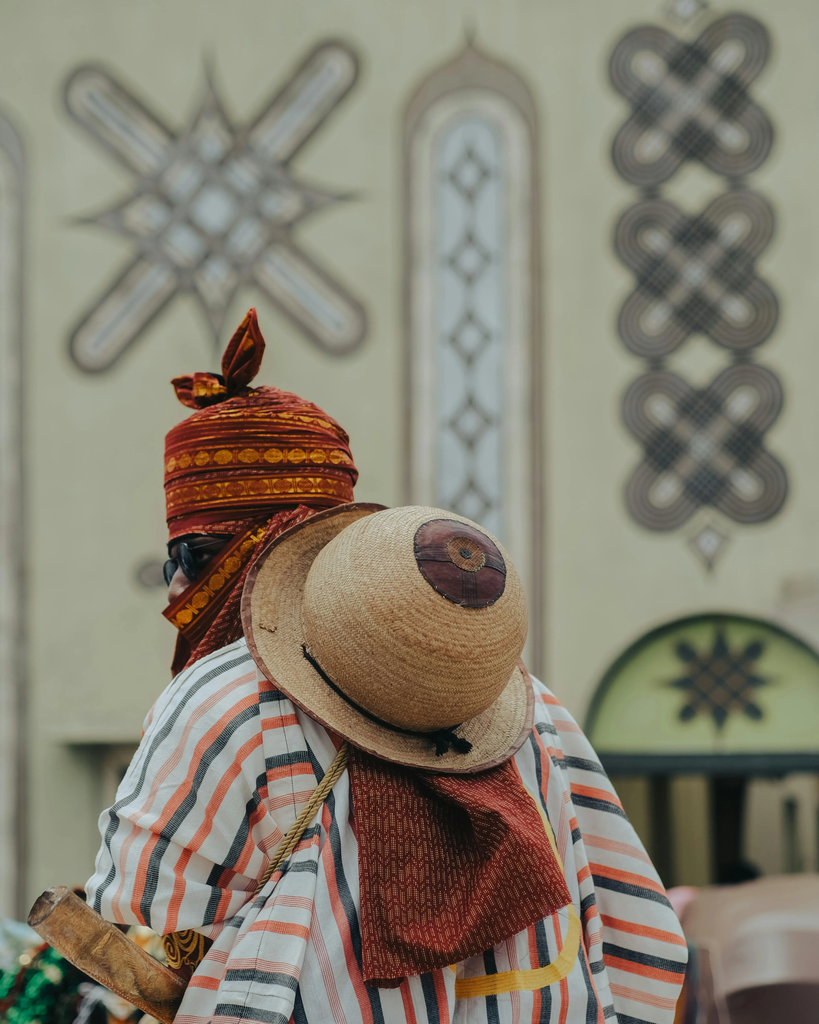
💡 Key Takeaways
- Recognize the regional and historical diversity of African art across the continent and over millennia.
- Identify common forms—sculpture, painting, textiles, and architecture—and the materials and techniques used.
- Understand how artworks function within communities, including ritual, social status, storytelling, and identity.
- Appreciate how African art intersects with broader histories (trade, colonialism, diaspora) and informs contemporary art practices.
❓ Frequently Asked Questions
What does African Art Histories study?
It examines the diverse traditions, practices, and visual cultures across the African continent over millennia, focusing on how artworks are created, used, and understood within their communities.
What kinds of artworks are included in this field?
Sculpture, painting, textiles, beadwork, pottery, masks, architecture, and other material cultures, as well as performance and ritual objects.
Why is context important when studying African art?
Artworks carry social, spiritual, political, and ceremonial meanings; their form and function are shaped by local beliefs, institutions, and histories, not just aesthetics.
Can you name some regional traditions or notable examples?
Yes—regional traditions span West, Central, East, and Southern Africa; examples include Benin Bronzes and Ife sculpture (West Africa), Nok terracotta, Kente cloth (Ghana), Akan gold weights, Great Zimbabwe architecture, and Ethiopian religious art.