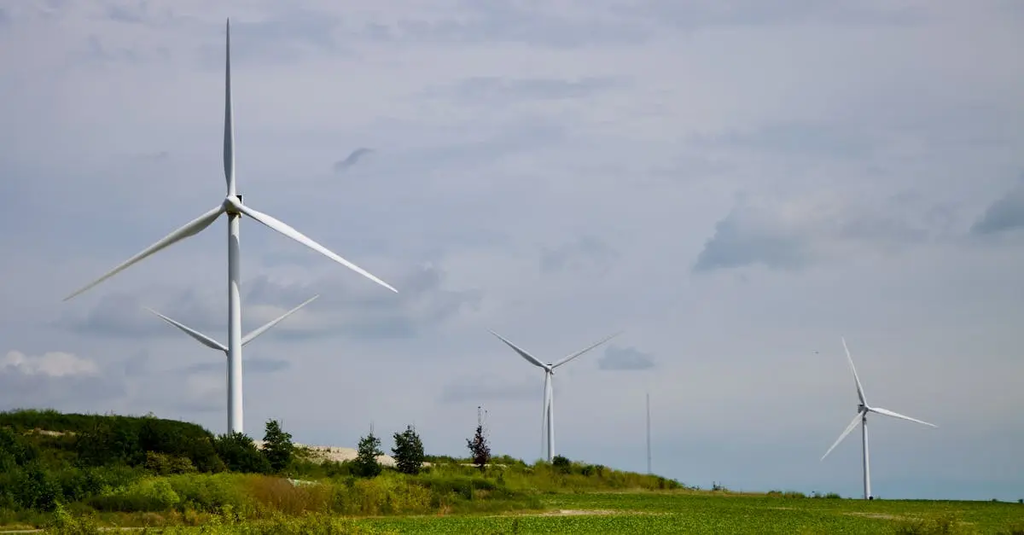
Agri-robotics and sustainable farming technologies refer to the integration of advanced robotics, automation, and innovative tools in agriculture to enhance productivity while minimizing environmental impact. These technologies include autonomous tractors, drones, precision irrigation systems, and AI-driven crop monitoring. By optimizing resource use, reducing chemical inputs, and improving efficiency, agri-robotics supports sustainable practices, helping farmers meet growing food demands while preserving soil health and biodiversity for future generations.
Agri-robotics and sustainable farming technologies
Agri-robotics and sustainable farming technologies refer to the integration of advanced robotics, automation, and innovative tools in agriculture to enhance productivity while minimizing environmental impact. These technologies include autonomous tractors, drones, precision irrigation systems, and AI-driven crop monitoring. By optimizing resource use, reducing chemical inputs, and improving efficiency, agri-robotics supports sustainable practices, helping farmers meet growing food demands while preserving soil health and biodiversity for future generations.
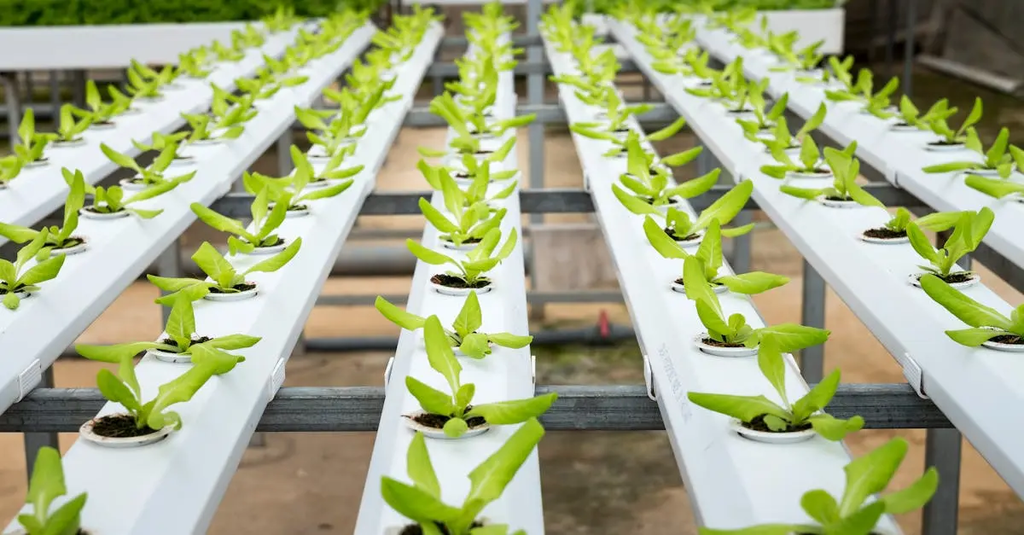
💡 Key Takeaways
- Understand agri-robotics and sustainable farming technologies and their relevance to UK farming.
- See how autonomous tractors, drones, and precision irrigation reduce water, fertilizer, and chemical use.
- Learn how data, sensors, and AI enable precise crop management and increased productivity.
- Explore challenges and opportunities for adoption in the UK, including costs, skills, and policy support.
- Identify future trends in science and innovations driving sustainable farming in the UK.
❓ Frequently Asked Questions
What are agri-robotics and sustainable farming technologies?
They are the use of robots, automation, sensors, and AI tools in agriculture to boost productivity while reducing environmental impact. Examples include autonomous tractors, drones, precision irrigation, autonomous weeding, and crop-monitoring systems.
How do autonomous tractors and other robotics change farming practices?
They perform field tasks with precision, can operate with high efficiency, reduce labor needs, and enable data-driven decisions for planting, spraying, and harvesting.
What is precision irrigation and why is it important?
It uses soil moisture data, weather information, and crop needs to apply water only where and when it is required, saving water and energy and minimizing runoff.
How do drones assist sustainable farming?
Drones provide high‑resolution crop monitoring, early detection of stress, pests, or disease, and enable targeted application of inputs, reducing overall chemical use.